TSMC August revenue jumps 53.3% on AI demand
Taiwan Semiconductor Manufacturing Co. posted a 53.3% surge in August revenue from a year earlier, underscoring that artificial intelligence spending is still translating into heavy foundry demand even as the broader chip cycle remains uneven.
The scale of the gain matters because TSMC sits at the center of the AI hardware supply chain. Revenue rose to NT$514.81 billion in August from NT$335.77 billion a year earlier, and was up 10.1% from July, suggesting orders remain strong enough to keep the world’s largest contract chipmaker running at a high level. For investors, that is important not just as a read-through on TSMC’s own earnings power, but because it is one of the clearest monthly indicators of whether AI infrastructure spending is still accelerating.
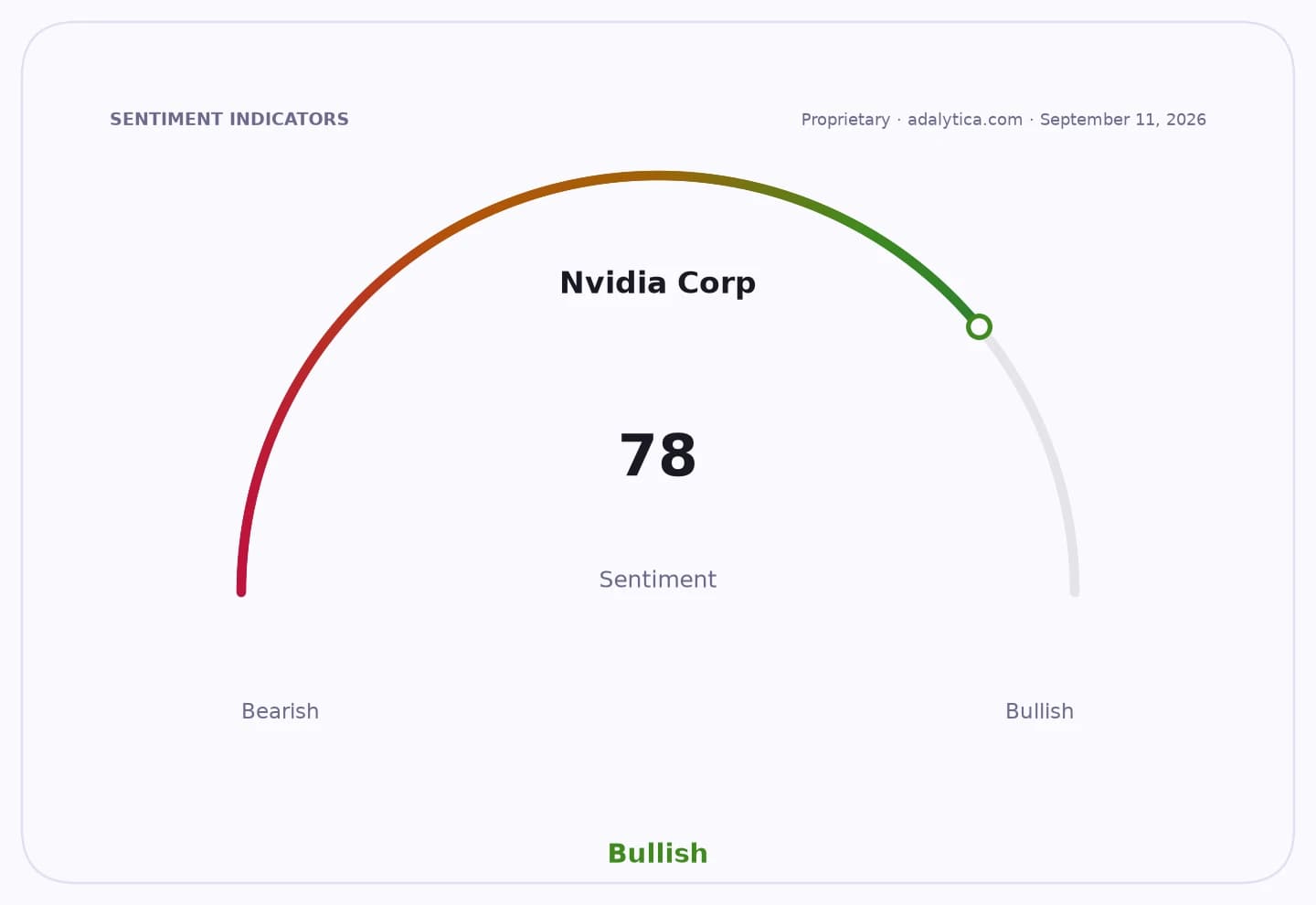
The numbers also help explain the divergent tone across the semiconductor complex. Shares in TSMC have been stable around the low-430s after a strong run earlier in the year, while Nvidia has eased back from summer highs and the SOXX semiconductor ETF remains well below its June peak. That split suggests investors still believe in the AI investment theme, but are increasingly selective about where the value accrues. TSMC’s latest revenue print supports the view that the bottleneck remains manufacturing capacity rather than end-demand for chips, which is constructive for foundry utilization and pricing power.
The read-through is particularly relevant for Nvidia, Broadcom and other AI designers that rely on TSMC’s advanced nodes. Broadcom has disclosed that about 95% of the wafers manufactured by its contract manufacturers were produced by TSMC over the first three fiscal quarters of 2026, highlighting how concentrated the supply chain has become. Strong revenue at TSMC therefore points to continued strain on capacity for the industry’s most advanced chips, a backdrop that can support margins for the foundry but also constrain shipment growth for customers if supply remains tight.
Adalytica’s TSMC earnings sentiment gauge is neutral, but awareness is at an extreme-greed level, reflecting how closely the market is watching every data point tied to AI demand. That fits with the stock’s technical picture: TSMC shares are trading above both the 50-day and 200-day moving averages, with RSI in the high-50s, indicating momentum is positive but not stretched.
The bull case is straightforward: if AI capital expenditure keeps rising, TSMC should continue to benefit from strong leading-edge wafer demand, robust utilization and a favorable product mix. The bear case is that a lot of optimism is already embedded in the sector, and monthly revenue growth, while still strong, can slow if customers digest earlier orders or if AI spending becomes more concentrated among a handful of hyperscalers.
For investors, the August report reinforces TSMC as one of the cleanest ways to play AI infrastructure spending, while also serving as a barometer for the entire chip ecosystem. The next question is whether the August pace can carry into the third quarter earnings season and whether supply constraints, rather than demand, remain the dominant story.
| Entity | Gains | Losses |
|---|---|---|
| TSMC | ▲Higher foundry revenue | ▼Capacity constraints |
| Nvidia | ▲Confirmed AI demand | ▼Supply tightness risk |
| Broadcom | ▲Stronger wafer ecosystem | ▼Dependence on TSMC |
| Semiconductor bears | ▲Slower cycle thesis challenged | ▼AI demand stays firm |