TSMC Packaging Expansion Targets AI Bottleneck
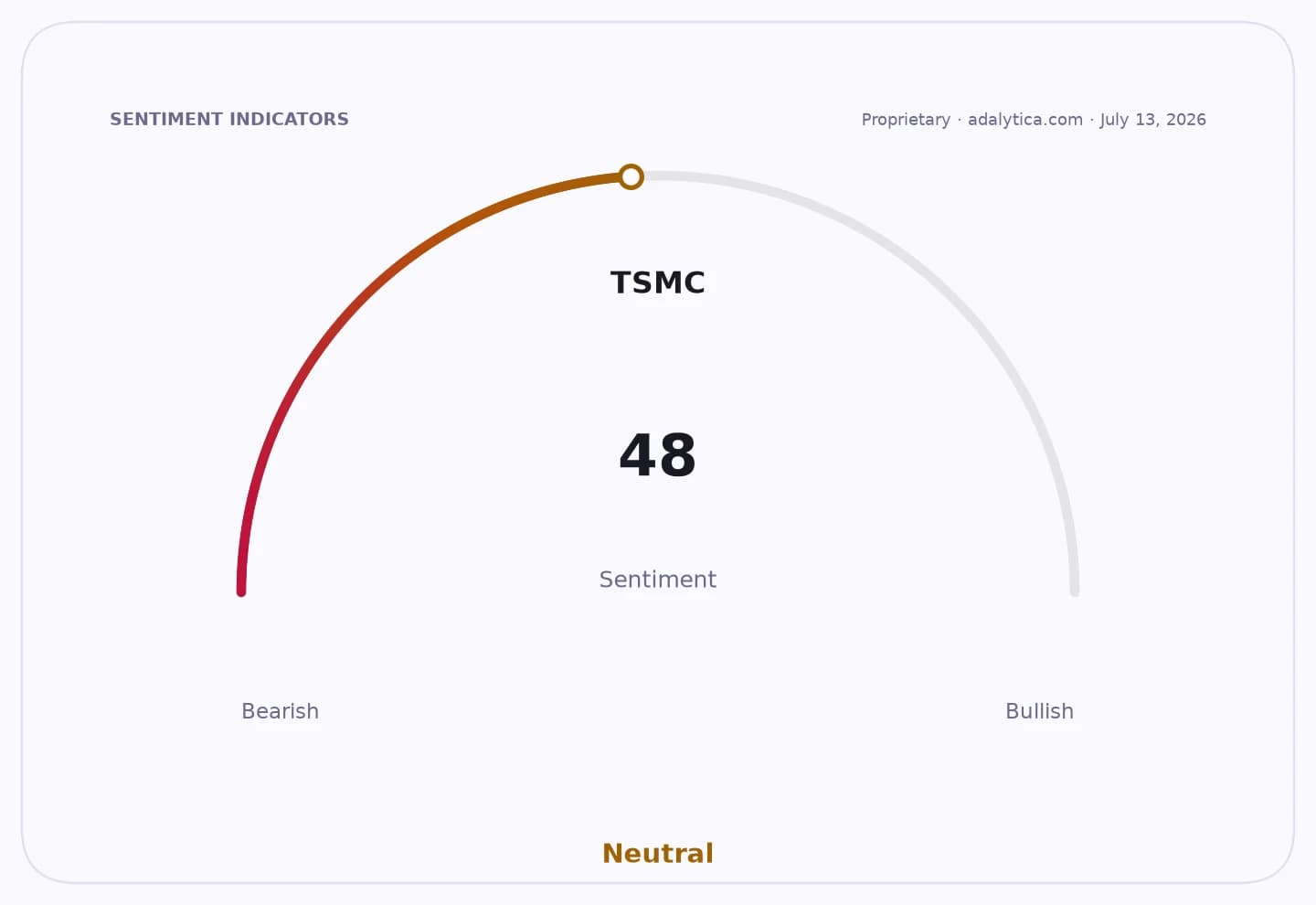
TSMC is moving to add three advanced packaging factories, a capital-intensive step that would expand one of the semiconductor industry’s tightest bottlenecks just as AI chip demand keeps surging.
The new facilities matter because advanced packaging has become as strategically important as wafer output for Nvidia, other AI chip designers and the cloud providers buying their parts. Even if foundry capacity expands, shortages in packaging can delay delivery of high-end accelerators and cap revenue recognition across the AI hardware chain.
TSMC’s shares closed at $434.11 on July 10, down from a recent peak above $477 but still well above the 50-day moving average of $423.37 and the 200-day average of $346.87. The stock has been volatile after a strong run, with RSI readings cooling to 42.3 and MACD momentum easing, suggesting investors are recalibrating rather than abandoning the AI trade.
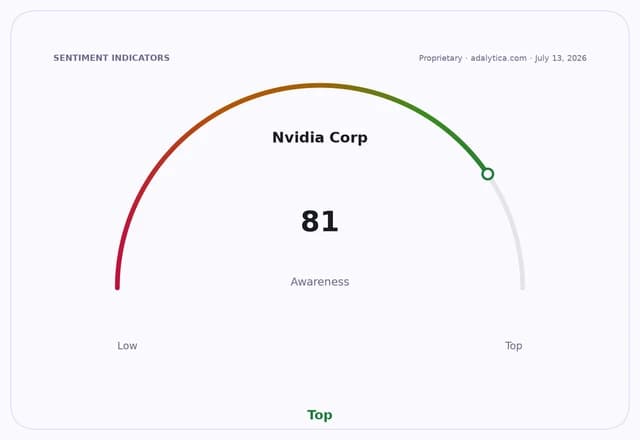
The move also lands against a constructive backdrop for the broader chip sector. Nvidia ended at $210.96 on July 10, slightly above its 50-day average of $209.07, while sentiment tracked by Adalytica.com shows “fear” at 22 but elevated awareness at 81, underscoring how closely traders are watching supply-chain capacity as the AI buildout accelerates.
Economically, the investment reinforces Taiwan’s central role in the global semiconductor value chain at a time when electronics producer prices are rising and industrial production is forecast to edge higher. That combination points to sustained demand for the complex manufacturing services that TSMC provides, even as higher rates and uneven macro data make capital spending more selective elsewhere.
ASML, which supplies the lithography systems needed for chip fabrication, finished at $1,797.32, still far above its 200-day average of $1,333.79, while TSMC’s expansion should support equipment demand across the ecosystem. For investors, the bigger issue is whether added packaging capacity can unlock more AI shipments and protect margins, or whether the industry remains constrained by labor, tooling and long lead times.
The next catalyst is likely to be further detail on timing, spending and customer commitments, with TSMC’s earnings and capex commentary likely to determine whether this is a targeted expansion or the start of a larger packaging buildout.
| Entity | Gains | Losses |
|---|---|---|
| TSMC | ▲higher AI supply leverage | ▼capex burden |
| Nvidia | ▲more accelerator output | ▼packaging bottlenecks |
| ASML and equipment vendors | ▲more fab-related orders | ▼slower if delays emerge |
| Cloud and chip buyers | ▲more supply availability | ▼near-term wait times |