TSMC Shares Rebound as Taiwan Tensions Rise
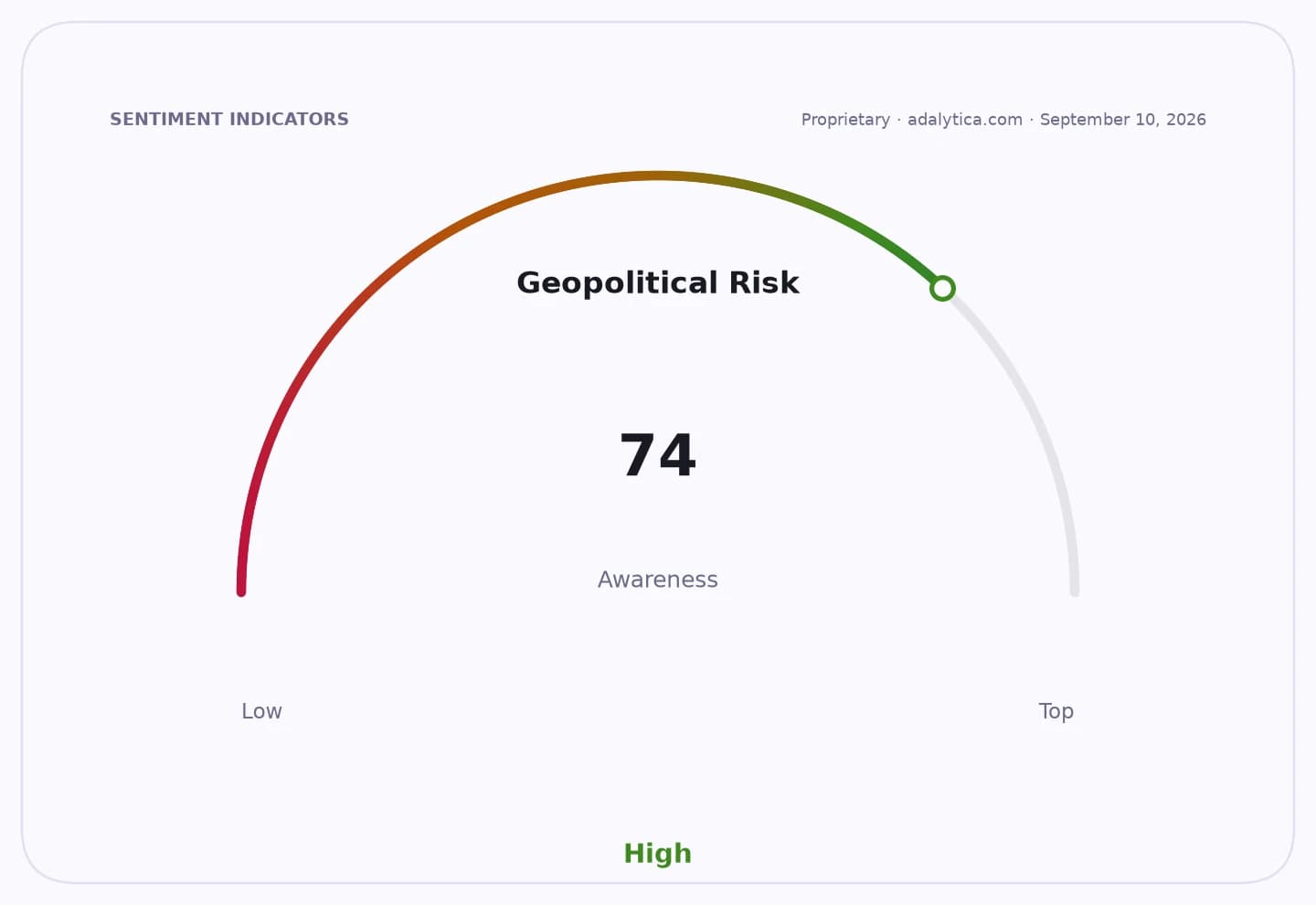
A conflict across the Taiwan Strait would inflict a bigger blow on the global economy than World War II, the top U.S. representative in Taiwan said, underscoring how central the island has become to trade, advanced chips and regional security.
American Institute in Taiwan Director Raymond Greene said the looming meeting between U.S. President Donald Trump and Chinese President Xi Jinping offers a chance to avoid “misunderstandings and miscalculations” at a time when Washington is trying to preserve peace in the Indo-Pacific. His warning lands as Taipei raises defense spending and seeks to harden its military posture against China.
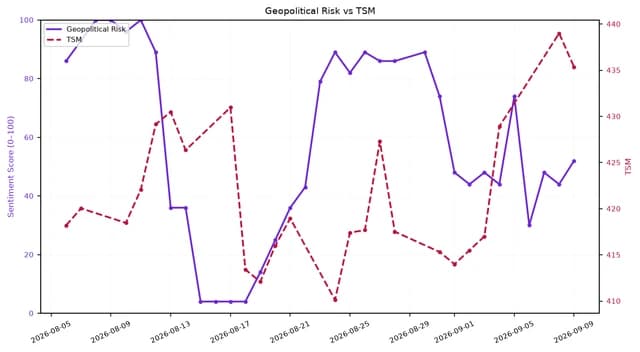
The economic stakes are unusually high because Taiwan sits at the center of global semiconductor supply chains, with Taiwan Semiconductor Manufacturing Co. as the world’s most important contract chipmaker. Any disruption would reverberate through electronics, autos, artificial intelligence hardware and industrial production, creating a supply shock far beyond the region.
Investors are also watching the policy backdrop. Taiwan’s government plans defense spending next year of more than NT$1 trillion, or about US$31.8 billion, for the first time, while the U.S. is reinforcing its presence and partnerships in the Indo-Pacific, Greene said. That combination points to sustained military demand and continued geopolitical risk premia for companies with exposure to Taiwan and cross-strait trade.
TSMC shares, which closed at $435.36 on Wednesday, have rallied back above both the 50-day and 200-day moving averages after a sharp summer pullback, reflecting how quickly markets reprice Taiwan risk around diplomacy, chip demand and regional security. Technical readings also show momentum improving, with the stock’s relative strength index at 65.6 and the MACD above its signal line.
The message from Taipei is that the summit between Trump and Xi is not just a bilateral diplomatic event but a market-moving test of whether the two sides can keep a flashpoint from spilling into global commerce. Any sign of miscalculation would likely hit chipmakers, Asian exporters, defense stocks and broader risk assets first.
| Entity | Gains | Losses |
|---|---|---|
| Taiwan & TSMC | ▲deterrence support | ▼conflict risk |
| U.S. policymakers | ▲strategic stability | ▼crisis escalation |
| Defense contractors | ▲higher spending | ▼peace dividend |
| Global manufacturers | ▲supply continuity | ▼chip disruption |