Tunisia Hosts AI Summit on Sovereign AI Buildout
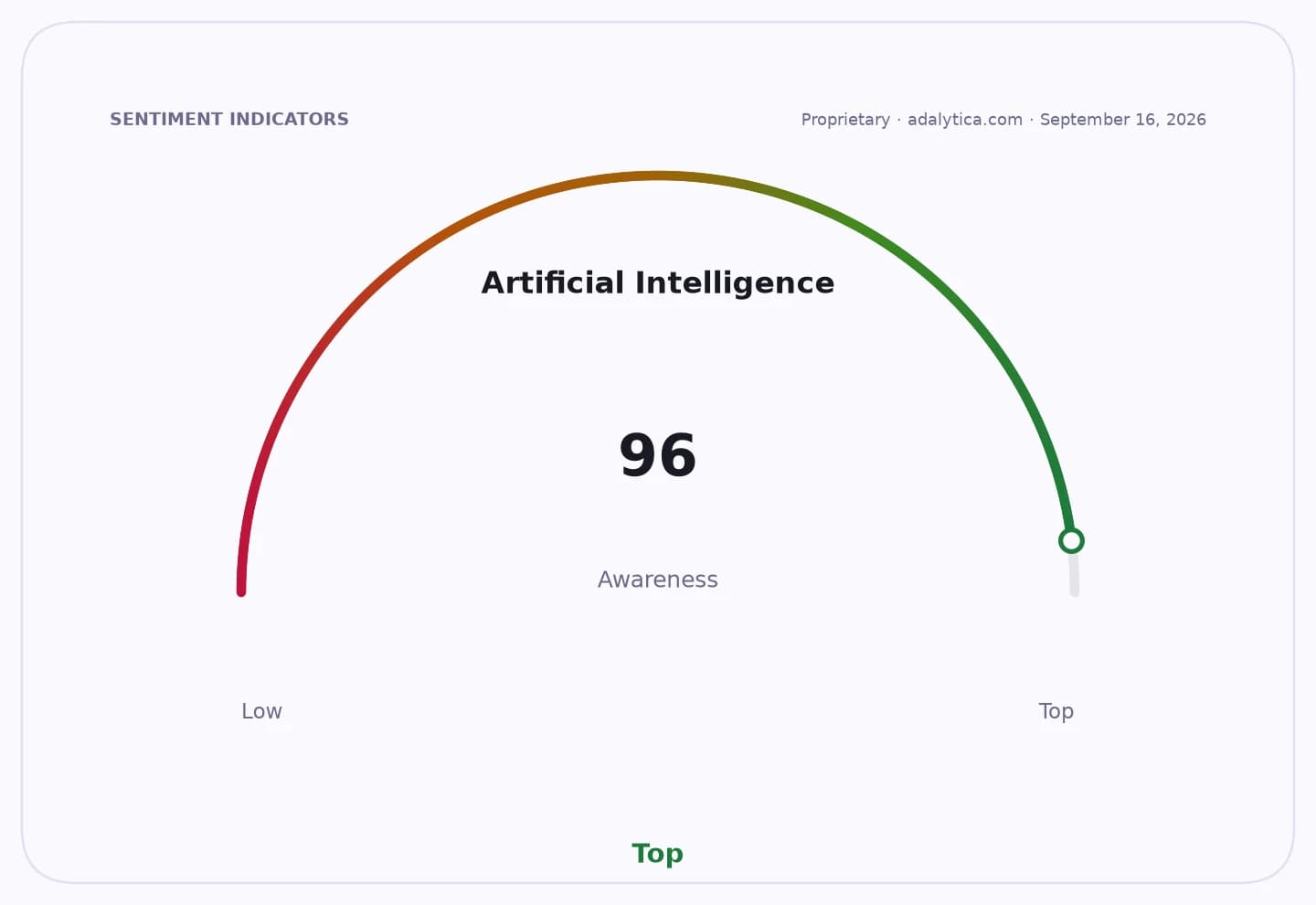
Tunisia is positioning itself as a regional launchpad for sovereign artificial intelligence, hosting the second AI-Forward Summit as Arab and African officials, companies and multilaterals race to turn AI from policy rhetoric into investable infrastructure.
That matters because the region’s leaders are converging on the same economic reality: AI is no longer just software, but a capital-intensive stack that needs data centers, compute, data governance, talent and standards. Whoever controls those layers will capture the higher-margin gains in productivity, public services and digital industry — while late movers risk becoming dependent buyers of foreign models and cloud capacity.
The summit in Yasmine Hammamet drew more than 450 participants from across the Arab world, Africa and beyond, underscoring the scale of the policy push. The message from Tunis was consistent: AI should not merely be consumed, but produced locally, with sovereign models, local language support and regulatory frameworks that keep data and decision-making closer to home.
That has clear investment implications. The region’s stated focus on infrastructure, centers of data, computing capacity and innovation points to a multi-year buildout that favors the picks-and-shovels names in telecom equipment, cloud infrastructure, chips, power systems and cybersecurity. Huawei’s Tunisia chief said the country has the talent to build local innovation around national sovereign models, while the International Telecommunication Union warned that no country can assemble the full AI value chain alone — a reminder that partnerships will be essential, but so will scale.
For investors, the more interesting angle is second-order demand. If governments across North Africa and the wider Arab world push AI into health care, urban management, agriculture, transport and education, the spending will not stop at software demos. It will flow into fiber, data centers, edge computing, secure networks, identity systems and the electrification needed to feed compute-heavy workloads. The region’s emphasis on digital sovereignty also increases the odds that buyers will favor local or regional infrastructure over fully outsourced foreign stacks.
Tunisia’s summit also added something markets should not ignore: a framework for execution. The launch of the AI-MUSTAQBAL index gives policymakers a way to rank readiness and direct capital, while the AWAIL alliance aims to widen participation by women in the AI economy. The AICTO’s regional forum for investment in artificial intelligence suggests the political conversation is moving toward financing, not just speeches, which is usually the point at which capex begins to show up.
The immediate beneficiaries are not necessarily the summit hosts, but the ecosystem around them. Telecom and digital infrastructure providers, sovereign-cloud enablers, power and cooling suppliers, cybersecurity firms and AI software vendors with Arabic-language and government-use cases stand to gain as the region tries to convert strategic ambition into deployed projects. The losers are countries and companies that stay at the consumption layer and fail to build local capacity.
My thesis is simple: the market underestimates how quickly AI sovereignty becomes an infrastructure story in emerging regions. Tunisia’s summit is another sign that AI is moving from concept to procurement, and that creates an asymmetric opportunity for investors willing to look beyond the headline names and into the infrastructure that makes sovereign AI possible.
| Entity | Gains | Losses |
|---|---|---|
| Tunisia / AICTO | ▲Regional influence | ▼Policy inertia |
| Data centers / cloud infra | ▲New capex demand | ▼Low-investment models |
| Telecom / cybersecurity vendors | ▲Sovereign AI buildout | ▼Outsourced stacks |
| Foreign-only AI users | ▲— | ▼Market share, local relevance |