Turkey August inflation data ahead of September cut
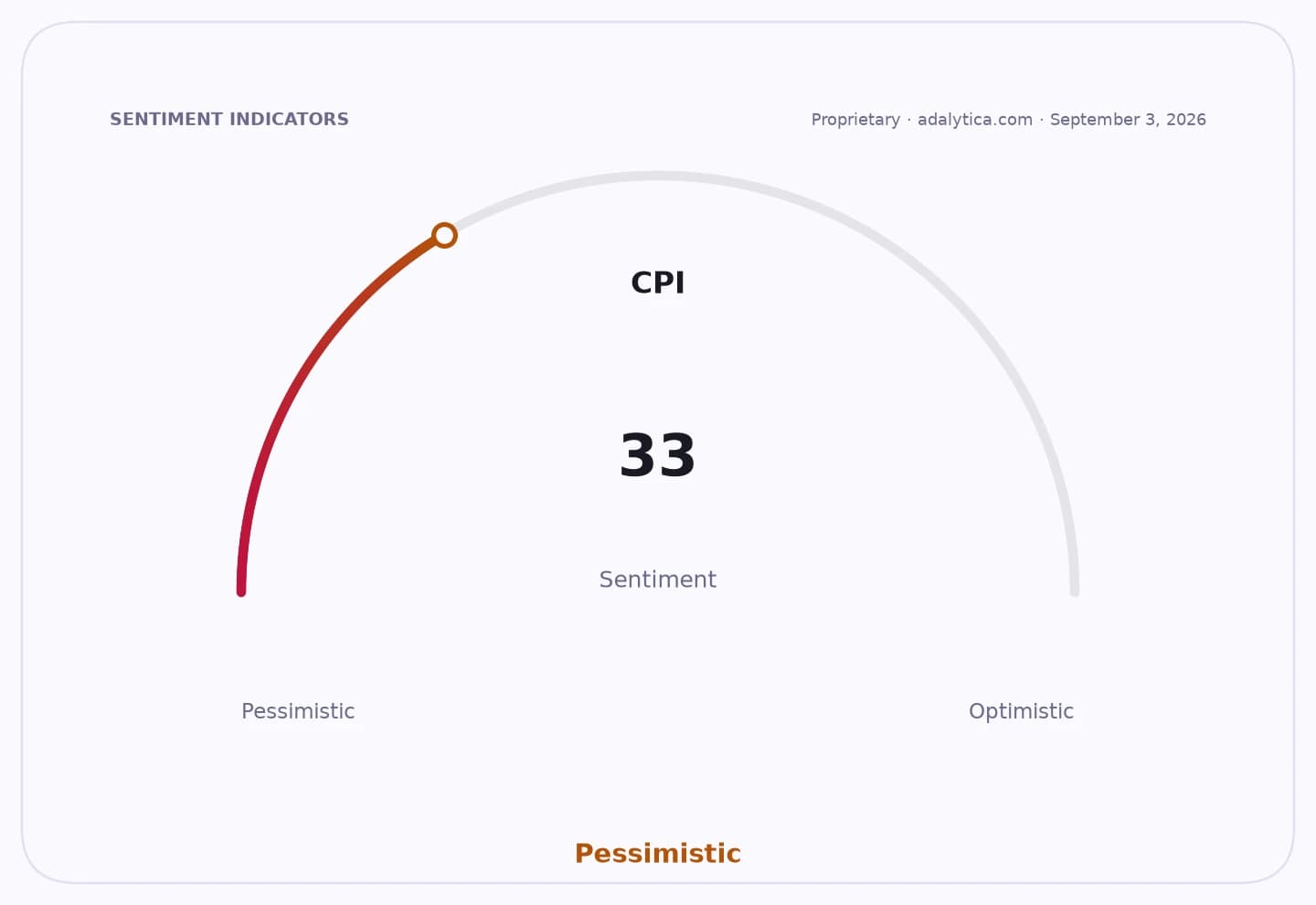
Turkey’s August inflation release from the statistics office TÜİK is now the market’s key macro event, with traders watching for confirmation that price pressures are easing enough to keep a September rate cut on the table.
The timing of the announcement matters because inflation remains the main constraint on policy easing in Turkey, where the central bank has only recently regained room to lower borrowing costs after a prolonged tightening cycle. A softer reading would reinforce the case for additional rate cuts, while a surprise pickup could force policymakers to move more cautiously and delay any broad easing in financial conditions.
That makes the release important well beyond the headline number. Turkey’s economy expanded 1.1% in the second quarter, a better-than-expected outcome that has supported hopes the central bank can start normalizing rates without derailing growth. But inflation is still the dominant variable for domestic assets, bank margins, consumer demand and the lira, so every monthly CPI print acts as a proxy for how quickly real rates can come down.
The market is already leaning toward cooling price pressures. Istanbul inflation rose 1.66% in retail prices in August and 2.5% in wholesale prices, with the city’s annual retail inflation rate at 34.96%. While Istanbul data are not the national benchmark and have drawn criticism over methodology, they still point to persistent but moderating pressure. Central bank survey data also showed year-end inflation expectations edging up to 29.43% from 29.21%, while the 12-month forecast eased slightly to 23.69% from 23.95%, suggesting the disinflation story remains intact but fragile.
For investors, the real issue is not just whether inflation falls, but whether it falls fast enough to justify a lower policy rate path without unsettling the currency or reigniting pricing pressure. Turkish lira assets tend to react sharply to any sign that disinflation is stalling, while banks and duration-sensitive stocks usually benefit if easing expectations strengthen. The lira’s technical profile has been broadly stable, but markets are still highly sensitive to any macro surprise that could alter the central bank’s September decision.
If TÜİK confirms a gentler inflation trend, it will strengthen the case for policy easing and support domestic risk assets. If it does not, the central bank may have to keep real rates tighter for longer, limiting relief for households and companies already facing high funding costs.
| Entity | Gains | Losses |
|---|---|---|
| Consumers | ▲Lower borrowing costs | ▼If inflation stays elevated |
| Turkish banks | ▲Rate-cut backdrop | ▼Slower disinflation |
| Lira bulls | ▲Credible cooling CPI | ▼Inflation surprise |
| Central bank | ▲More room to ease | ▼Pressure to stay hawkish |