Turkey Banks to Tighten Credit Card Limits
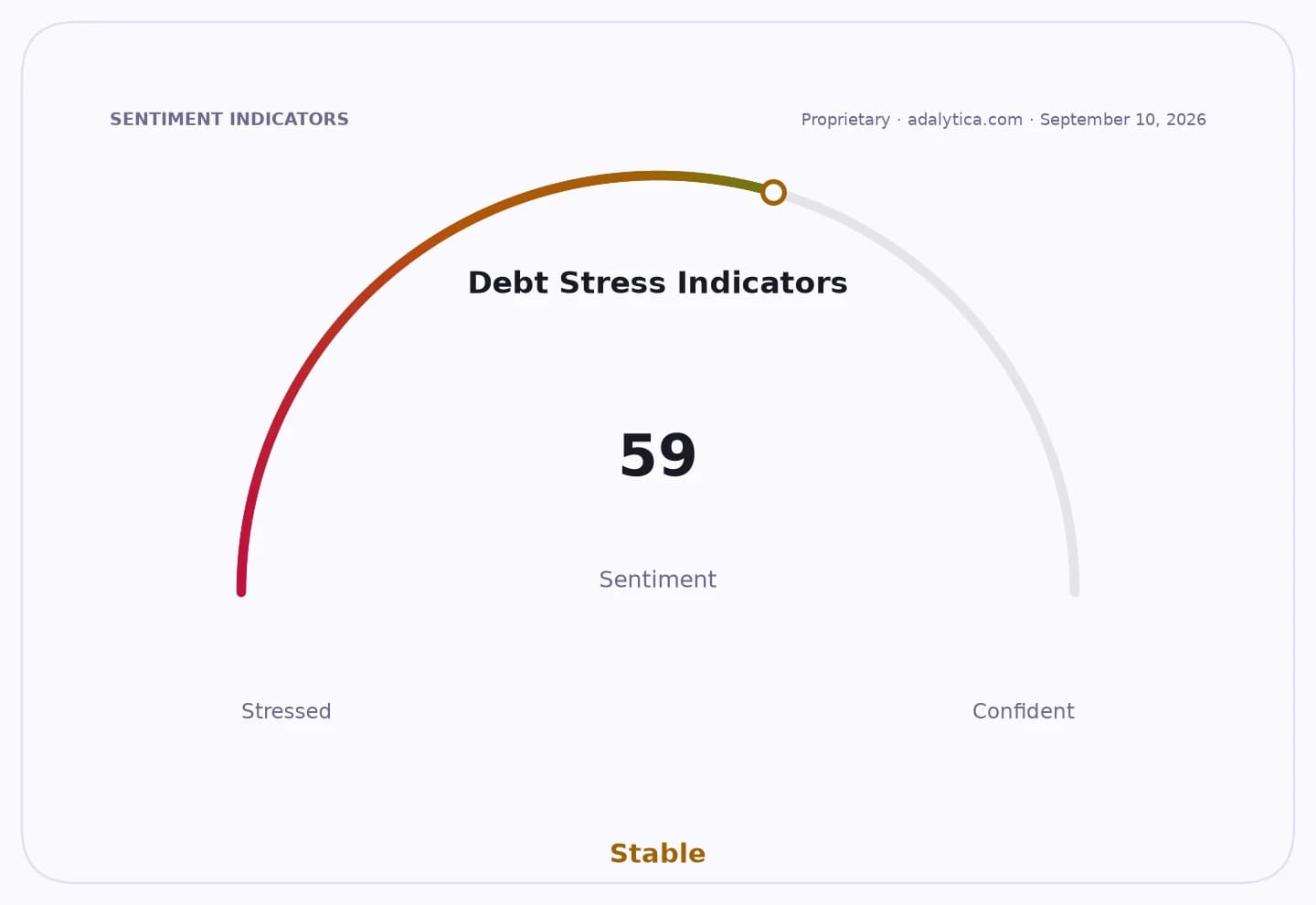
Turkey is preparing to rewrite how banks set credit card limits, a move that could curb excess borrowing for millions of consumers and force lenders to tie spending power much more closely to verified income and debt.
That matters because credit card limits are not just a household issue — they are a pressure valve for the broader financial system. If banks have been relying too heavily on declared income, the new framework should reduce the risk that consumers take on more revolving debt than they can realistically service. For investors, that is a classic trade-off: slower card growth and possibly less fee income in the near term, but a healthier credit book and fewer losses over time.
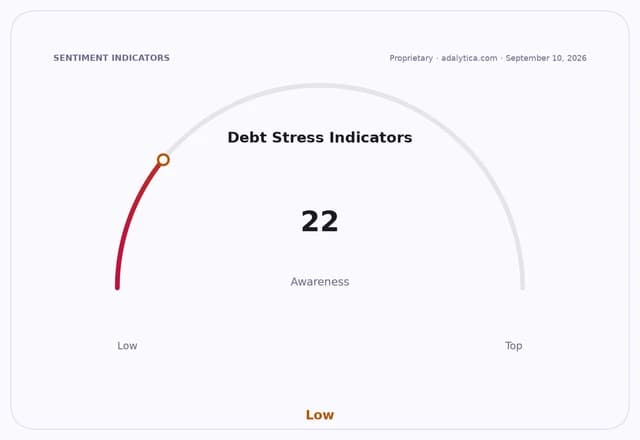
Under the planned system, lenders would no longer look only at income stated by the customer. They would also have to check actual earnings and total indebtedness, drawing on Social Security Institution data and the Turkish Banks Association’s Risk Center to build a fuller picture of repayment capacity. In other words, banks would be asked to connect the dots between income, existing loans and outstanding card balances before approving or raising limits.
The biggest impact is likely to fall on customers with high limits relative to their income. Those accounts could be re-evaluated if the gap between earnings and borrowing capacity is too wide. That is exactly where regulators tend to worry about stress building up quietly: revolving credit can look manageable until rates, inflation or unemployment turn a convenience product into a debt trap.
For banks, the deadline is the key detail. They have until 1 January 2027 to bring existing credit card limits into line with the new rules. That gives lenders time to adjust systems, verify data and decide which customers may need lower limits. It also signals that this is not a short-term tweak but a structural change in Turkey’s consumer-credit playbook.
Investors should read the story through the lens of credit quality. Tighter underwriting usually means less explosive growth in receivables, which can weigh on lenders that lean heavily on card volumes. But it can also be a relief for balance sheets if it keeps delinquency and charge-off rates from rising later. That matters for banks exposed to consumer lending, and it matters for payment networks and card issuers that benefit from durable, repeat spending rather than overstretched borrowers.
The broader message is straightforward: Turkey is trying to slow the buildup of household debt before it becomes a bigger macro problem. In a system where financial data can now be cross-checked more easily, banks are being pushed toward risk-based lending instead of volume-based lending. That is usually good news for long-term stability, even if it trims some growth at the margin.
For investors, the takeaway is to watch for a reset in Turkish consumer credit rather than panic about it. Companies with strong underwriting, diversified revenue and disciplined balance sheets tend to handle these transitions best. If you own lenders or payments-related names tied to Turkey, this is worth watching closely over the next few quarters — and long-term investors should care more about credit discipline than about a little less loan growth.
| Entity | Gains | Losses |
|---|---|---|
| Turkish banks | ▲Lower credit risk | ▼Faster card growth |
| Consumers with high limits | ▲Better protection | ▼Easier access to borrowing |
| Regulators | ▲Stronger oversight | ▼Less policy flexibility |
| Card lenders/issuers | ▲Healthier portfolios | ▼Short-term fee and balance growth |