Turkey BDDK Tightens Credit Card Limits by Income

Credit card holders are moving into a much less forgiving lending environment, and that matters because consumer debt is one of the first places higher rates and tighter rules hit household spending.
Turkey’s banking watchdog, the BDDK, is not ordering a blanket cut in credit card limits, but it is pushing banks to align limits more closely with income and usage, with compliance due by Jan. 1, 2027. For customers with total limits above 400,000 lira across banks, unused credit can already be reduced based on spending over the past year. In plain English: easy credit is giving way to more selective credit.
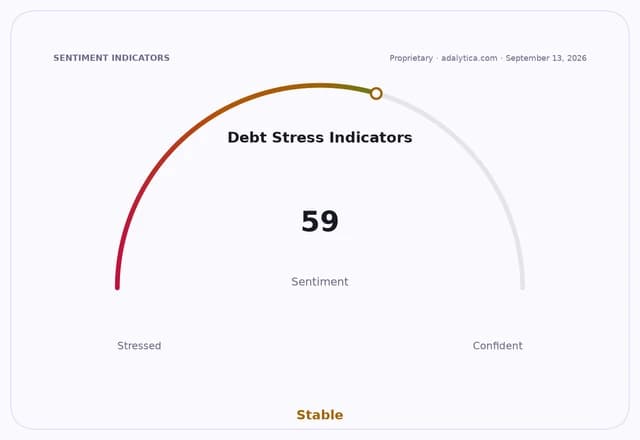
That shift matters economically because revolving card debt is expensive funding for households. When rates are high and limits are trimmed to match income, consumers have less room to smooth spending with plastic. That can slow discretionary purchases, from retail goods to travel and dining, and it is exactly the kind of drag policymakers worry about when they are trying to balance growth with financial stability.
The pressure is not happening in a vacuum. News context points to credit card interest rates reaching 112.9% and fees rising sharply, while central bank and regulatory bodies keep adjusting maximum card rates and bank behavior. That combination tells investors that lenders are being asked to protect balance sheets just as borrowers face higher monthly carrying costs.
For banks and card issuers, this is a mixed bag. Tighter limits can restrain growth in loan balances, but they also reduce future credit losses if regulators succeed in weeding out underused or stretched borrowing. That trade-off is especially important for consumer finance names such as Capital One, Synchrony Financial and American Express, where card lending is a core profit engine and credit performance ultimately matters more than headline volume.
The long-term takeaway for investors is straightforward: when regulators force credit to match income more closely, the winners tend to be the banks that manage risk best, not the ones that simply lend the most. If you own card lenders, watch for slower receivables growth, but also for healthier delinquency trends and more disciplined underwriting. For households, the message is just as clear: high-rate card debt is becoming harder to lean on, and that could keep pressure on consumer spending for some time. Worth watching for long-term investors.
| Entity | Gains | Losses |
|---|---|---|
| Banks with disciplined underwriting | ▲Lower credit losses | ▼Slower loan growth |
| Overextended cardholders | ▲Less chance of debt spirals | ▼Lower available credit |
| Regulators/BDDK | ▲More financial stability | ▼Less credit-fueled spending |
| Card issuers reliant on balance growth | ▲Higher-quality portfolios | ▼Weaker receivables expansion |