Turkey Budget Spending Risks Slower Inflation

Turkey’s new medium-term budget plan has reopened a central question for markets: how inflation is supposed to fall to 21% in 2027 if non-interest spending is still projected to surge 38.4% that year.
That tension matters because fiscal policy is now as important as the central bank’s rate stance in Turkey’s disinflation effort. The government is betting that tight monetary policy, fiscal discipline and a slower economy can bring inflation down from 28.4% at end-2026 and eventually toward single digits, but the spending profile in the new program points in the opposite direction. Central government expenditure is forecast to rise 38.7% in 2027, while non-interest spending is seen reaching 23.3 trillion lira, a pace economists say risks keeping domestic demand too hot for inflation to ease meaningfully.
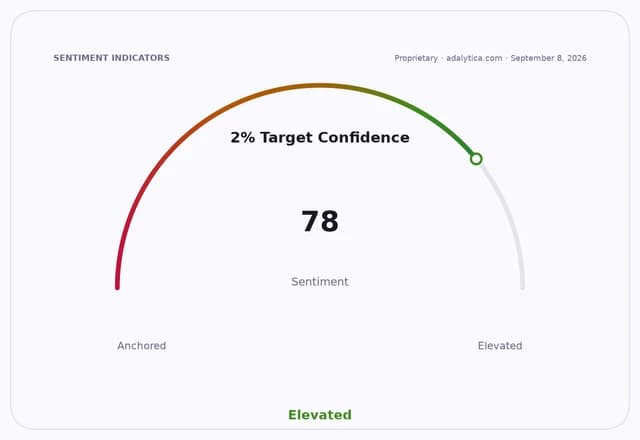
The critique is straightforward: if the state is still expanding personnel, current and investment outlays faster than prices are expected to fall, then the budget itself becomes an inflation problem rather than a solution. Hakan Kara, a former central banker, framed the issue bluntly by asking how inflation can decline to 21% if non-interest budget spending is rising 38.4% in the same year. Mahfi Eğilmez said the widening budget gap is being driven not just by interest costs but by spending categories that directly feed demand, adding to price pressure.
That is the economic significance investors are watching. Turkey has spent years trying to re-anchor expectations after persistent inflation eroded real incomes and pushed households into defensive savings behavior. A budget that looks loose in real terms could force the central bank to keep rates higher for longer, especially if it wants to prevent another round of lira weakness from passing through into prices. Economists say the government cannot easily pursue stronger growth, lower inflation and a stable exchange rate at the same time without sharper reforms and a clearer improvement in credibility.
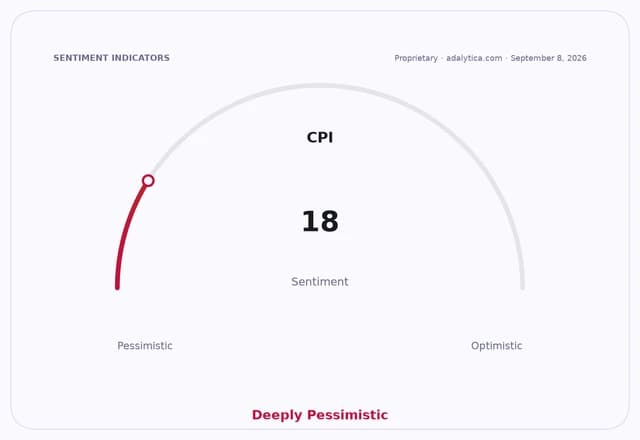
The market implication is that the burden of proof now shifts from the target itself to execution. If fiscal policy does not tighten enough, the lira could remain under pressure, which would make imported inflation harder to contain and raise the cost of servicing the state’s debt. Long-dated rates and bond investors are particularly sensitive to that combination: a budget that expands too quickly can revive concerns that disinflation will stall before it becomes durable.
Critics also argue the program leaves Turkey’s deeper growth constraints unresolved. Economists and opposition figures pointed to food, energy, housing and unemployment as areas where the plan offers little visible relief, even as it assumes a return to stronger growth. That mismatch has fueled skepticism that the economy can cool inflation without further pain for workers, retirees, exporters and small businesses already squeezed by high borrowing costs and weak purchasing power.
The government, for its part, says the program rests on tighter policy, disinflation and fiscal discipline. But the credibility gap is the story. Turkey can still bring inflation down if tax collection improves, current spending is restrained and the central bank keeps policy tight long enough for expectations to reset. The bear case is that the budget’s spending path keeps domestic demand firm, the lira remains fragile and inflation falls more slowly than planned, forcing policymakers into a trade-off between growth and price stability.
| Entity | Gains | Losses |
|---|---|---|
| Government | ▲Near-term growth support | ▼Inflation credibility |
| Households | ▲None | ▼Purchasing power |
| Long-duration bondholders | ▲Higher real yields if tightening holds | ▼Inflation risk |
| Lira bears | ▲Volatility opportunities | ▼None |