Turkey diesel prices rise to 80 TL per liter
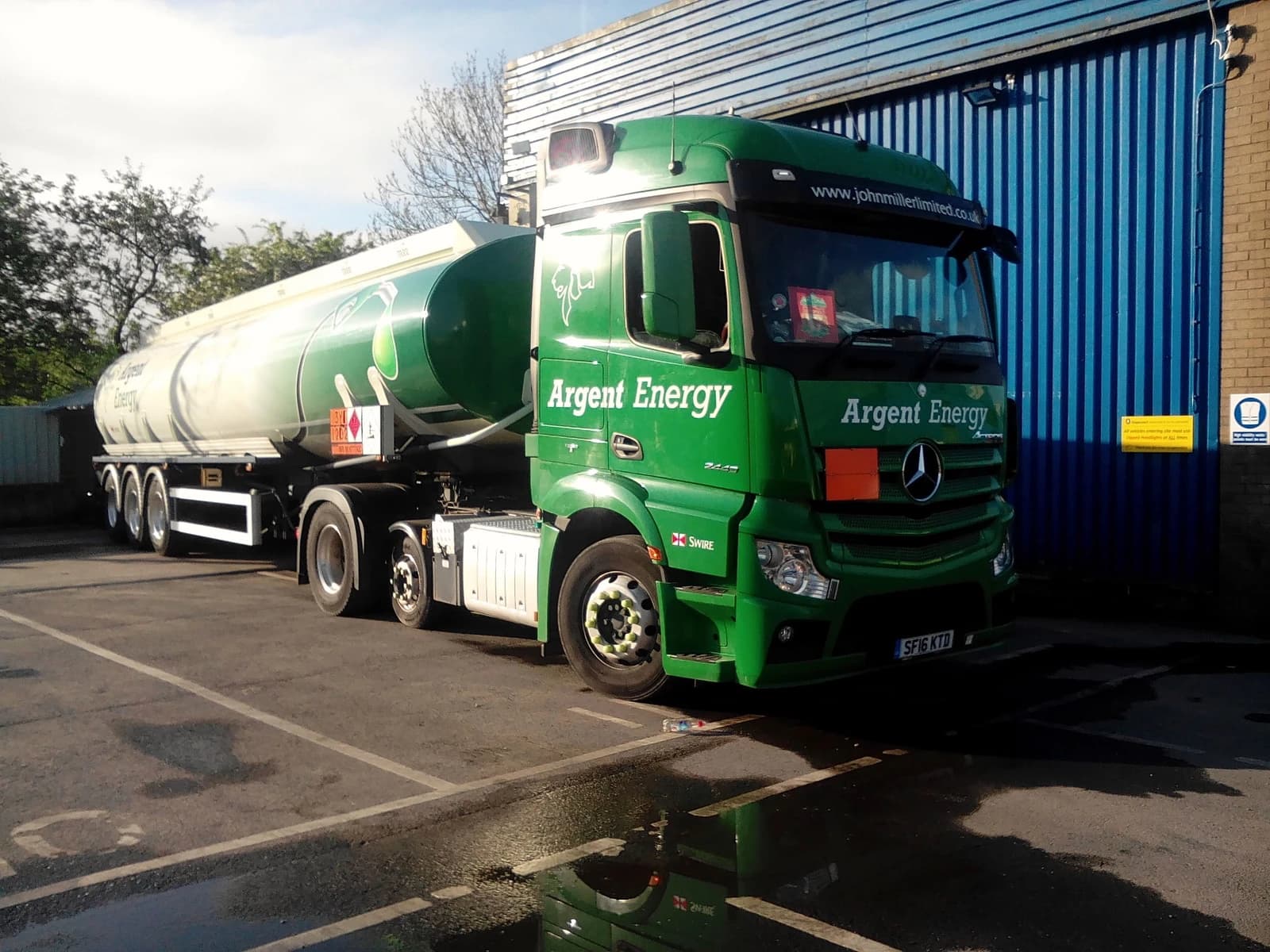
Diesel’s 25% climb since July is now the more important inflation story in Turkey, because the fuel used to move goods and run factories is feeding cost pressure through the entire economy just as policymakers are trying to keep price growth contained.
The latest increase has pushed diesel to 80 TL a liter, a level that hits transport operators first but does not stop there. In an economy where freight, agriculture, manufacturing and distribution all depend on diesel, the pass-through to consumer prices tends to arrive with a lag. That is why the full effect is expected to show up in August inflation rather than immediately.
For investors, that makes diesel one of the cleanest near-term risks to Turkey’s disinflation trade. Higher fuel costs can bleed into producer prices, narrow margins for logistics and industrial firms, and keep inflation expectations sticky. Even if petrol relief is used to soften the political optics, diesel does the heavier economic lifting, and the market knows it.
The broader backdrop is a commodity shock that refuses to stay in the energy lane. Global crude volatility and geopolitical tensions in West Asia have kept fuel markets unstable, and the move in diesel adds another layer of imported inflation pressure. The data also point to a market that has already started to reprice that risk: oil-linked assets have strengthened, and Adalytica’s WTI trade signals show “Extreme Greed,” a reminder that energy markets are leaning hard into a higher-price scenario.
That matters because Turkey’s inflation path is already sensitive to energy. CPI and producer prices have both been running at elevated levels in the latest readings, and a fresh jump in diesel raises the odds that August prints will look firmer than policymakers want. If that happens, it could complicate the central bank’s room to ease and keep local asset valuations under pressure.
The investable angle is straightforward: energy producers, commodity-linked funds and firms with strong fuel pass-through mechanisms stand to benefit, while transport, trucking, industrials and other diesel-intensive businesses face a margin squeeze. The market underestimates how quickly a fuel shock can become a second-round inflation story.
For now, the key catalyst is August inflation. If diesel remains near current levels, investors should expect more cost pressure to show up in Turkish price data, more volatility in local rates and a widening gap between winners with pricing power and losers exposed to fuel-intensive operations.
| Entity | Gains | Losses |
|---|