Turkey food price gap under tax scrutiny

Turkey’s widening gap between farmgate and retail food prices is under fresh scrutiny after tax inspectors found that fruits and vegetables were changing hands through unnecessary intermediaries, inflating costs and helping push consumer prices far above what growers receive.
That matters because food inflation is one of the fastest ways for price pressures to reach households, especially in an economy where fresh produce is a staple purchase and consumer budgets are already stretched. The probe suggests part of the price surge is not just about weather, seasonality or logistics, but about market structure: repeated trades, inflated invoices and possible concealment of supply that can deepen the wedge between producer and consumer prices.
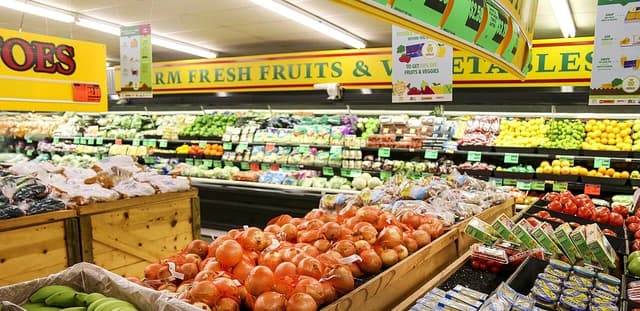
The inspection by the Revenue Administration’s Tax Inspection Board compared 1,029 farmers’ declarations with purchase and sales records from companies and data from Turkey’s hall registration system. Officials said they found multiple commercial layers that were not economically necessary, with each handoff creating a new markup. In some cases, company records showed purchase prices far above the prices declared by producers, allowing firms to book higher costs.
One example cited in the review showed mandarin growers saying they sold at 6-8 lira a kilogram, while a supplier recorded a 28 lira purchase price and an average selling price of 31.82 lira. In another case, a farmer declared 12 lira, but the company’s books showed a 31.48 lira purchase cost and a 31.65 lira average selling price. The discrepancy widened the apparent cost base while the trading margin remained tiny, pointing to the possibility of artificial cost inflation rather than genuine market losses.

The findings also raise questions about supply manipulation. The report said some large suppliers understated the volume they put on the market, creating an impression of constrained availability that could support higher prices. That is economically important because fresh produce pricing is highly sensitive to perceptions of scarcity, especially in the transition between old and new harvests.
Lemons have become the clearest symbol of the problem. New-season lemons are selling for as little as 5 lira a kilogram at the farm, about 10 lira in wholesale markets, 40-50 lira in bazaars and as much as 80-100 lira in supermarkets. Officials and producers say the spread reflects the late arrival of the new crop, weak early-season supply and the continued sale of hundreds of thousands of tons stored from last season.
Storage itself adds costs — warehousing, labor, spoilage, transport and financing — but the probe suggests those costs are being amplified by trading margins at the wholesaler, distributor and retailer levels. Industry participants say stored lemons can also be used to influence prices, making produce markets more vulnerable to short-term distortion than consumers often realize.
For investors, the issue is less about one fruit than about a broader food-cost problem. Persistent gaps between farm and shelf prices feed headline inflation, complicate monetary policy and weigh on real household spending. Retailers can benefit from pricing power in the short run, but if regulators move harder against excess markups or fake invoicing, margins in the fresh-produce chain could come under pressure.
The data also point to a cyclical relief case: producers in Adana say the real lemon crop will only hit the market in November and December, suggesting prices should ease if supply normalizes. The bear case is that structural inefficiencies, storage power and weak enforcement will keep the price chain long even when harvests improve, leaving consumers paying far more while farmers still capture too little of the final price.
| Entity | Gains | Losses |
|---|---|---|
| Consumers | ▲Lower prices if reforms bite | ▼High retail food costs |
| Farmers | ▲Better pass-through from sale prices | ▼Weak bargaining power |
| Tenders/Intermediaries | ▲Markup income | ▼Regulatory scrutiny |
| Retailers | ▲Pricing power in shortages | ▼Margin pressure if controls tighten |