Turkey boosts formal employment with 616 billion lira
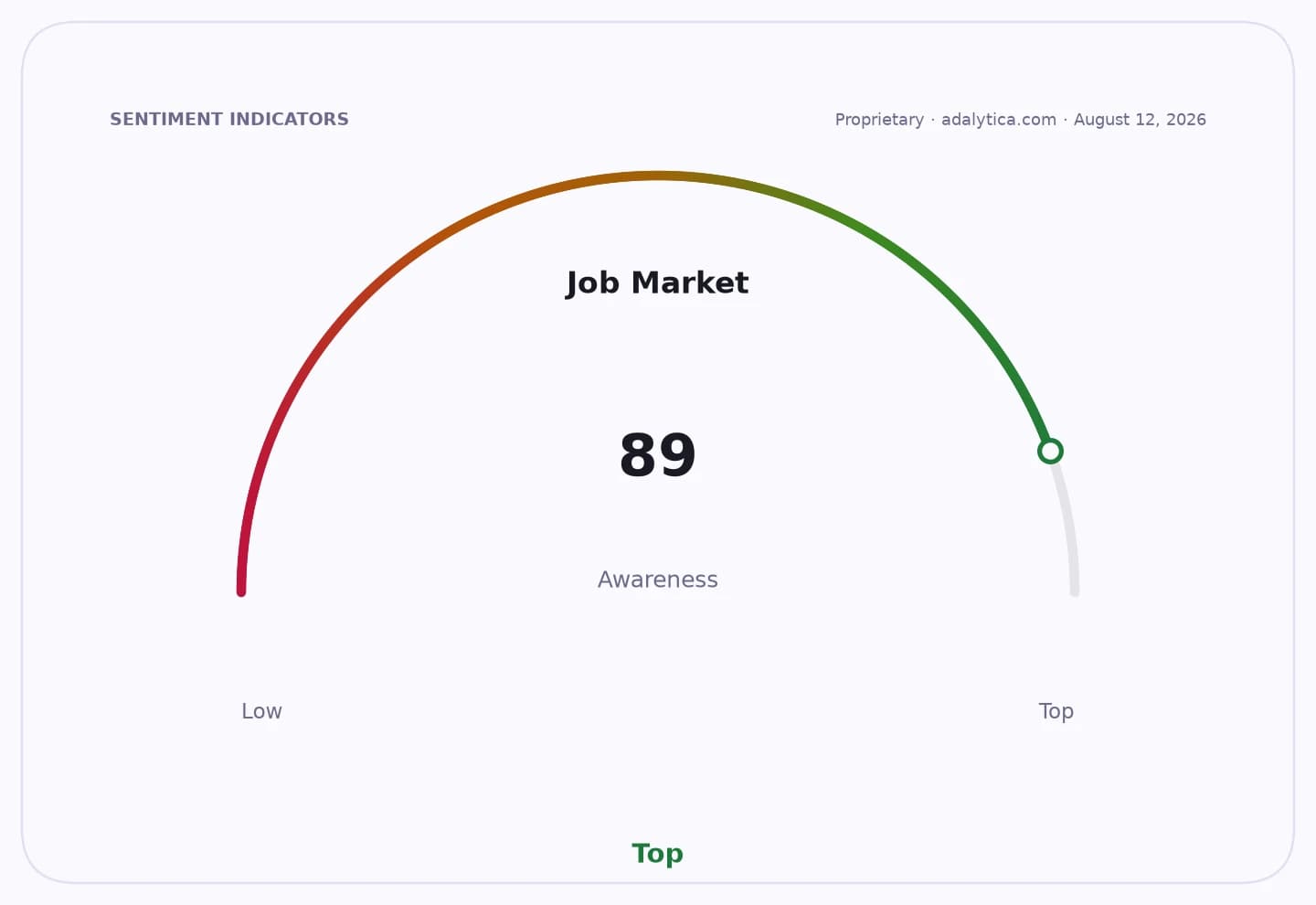
Turkey is trying to shore up formal employment with 616 billion lira of support over two years, a large-scale intervention that matters because it aims to protect household income, preserve tax receipts and keep firms from drifting into the informal economy as hiring softens.
The policy comes at a sensitive moment for the labor market. Turkey’s unemployment rate has eased to 4.1% from 4.3% in May, while job openings have slipped to 7,359 from 7,585 in April and are well below the 2021 peak. That combination suggests the labor market is still functioning, but with less momentum than before — exactly when governments tend to lean on subsidies and incentives to keep workers attached to payrolls.
For investors, the 616 billion lira commitment is more than a social-policy headline. It is a signal that Ankara wants to defend consumption and social stability without waiting for a stronger private-sector hiring cycle. In a high-inflation economy, registered work support can help sustain spending power at the margin, support retail and consumer-facing businesses and reduce the risk that wage pressure turns into a sharper slowdown in demand. It also matters for credit quality, because employment stability is one of the clearest buffers for banks and consumer lenders.
The market has already been telling a story of a resilient but fragile economy. The lira has kept weakening, with the dollar trading around 47.75 lira, while technical indicators show it stretched well above its 50-day and 200-day moving averages. That kind of price action underscores how little room policymakers have for a labor shock: a weaker currency keeps imported inflation pressure alive, even as officials try to protect formal jobs and income flows.
The support package also fits a broader policy pattern in Turkey — using state backing to preserve activity while the economy works through tighter financial conditions and sticky price growth. If the measures succeed, the beneficiaries are clear: registered employers, salaried workers and domestic-demand stocks tied to essentials, retail and services. The losers are informal employers, which may face greater pressure to formalize payrolls, and anyone betting that Turkey’s labor market will weaken quickly enough to force a sharper policy pivot.
The real test is whether this aid can hold the line beyond the next few quarters. If registered employment stabilizes, Ankara may gain time to keep inflation and social pressure contained without derailing growth. If it does not, investors should expect more intervention — and a longer stretch in which Turkey’s labor market remains a policy project rather than a self-sustaining recovery.
| Entity | Gains | Losses |
|---|---|---|
| Registered employers | ▲Wage support | ▼Higher compliance pressure |
| Salaried workers | ▲Job security | ▼Less upside from labor tightening |
| Domestic demand stocks | ▲Steadier spending | ▼Slower pricing power |
| Informal economy | ▲— | ▼More formalization pressure |