Turkey 2027-2029 investment plan targets growth sectors
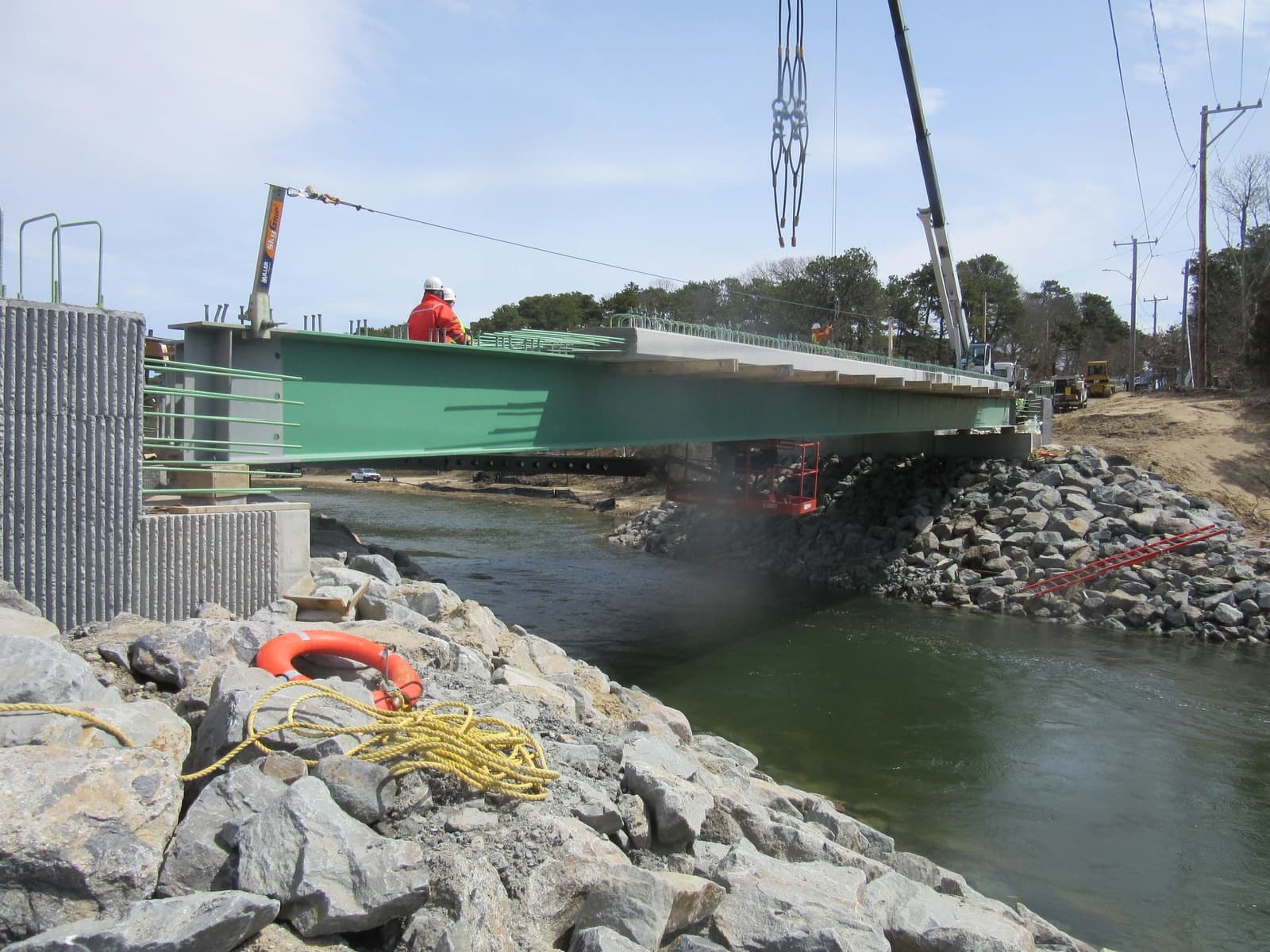
Turkey is steering its 2027-2029 public investment program toward projects that expand output and jobs, signaling a shift in state capital away from broad spending toward sectors that can raise supply capacity, support private investment and narrow regional gaps.
That matters because the government is using public money as a lever for growth at a time when investment-led expansion is still needed to lift productivity and absorb labor, but fiscal room remains finite. The guideline for the three-year program says priority will go to projects that support sustainable growth, reduce regional disparities and boost production, employment and welfare, with emphasis on manufacturing, agriculture, tourism, defense and energy.
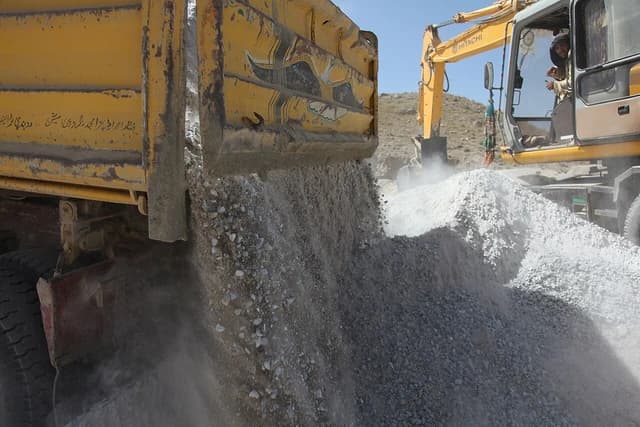
The policy is economically significant because it targets the bottlenecks that often keep emerging-market growth uneven: weak logistics, high production costs, infrastructure gaps and an insufficient supply of skilled labor. By focusing on projects the private sector is unlikely to fund on its own — from water systems and transport to research, digitalization and energy infrastructure — Ankara is effectively trying to crowd in private capital rather than replace it.
The program also implies a more selective approach to public capex. Projects in industrial zones, mining, local energy technologies, rail systems and defense will be prioritized only if they fit national and regional strategies and show clear commercial or strategic value. That should improve allocation efficiency compared with politically driven spending, but it also means fewer projects may make the cut.
For investors, the message is that public investment demand is being concentrated in sectors tied to heavy industry and infrastructure. That is potentially supportive for Turkish contractors, equipment suppliers, energy developers, rail manufacturers and firms exposed to industrial modernization, while less disciplined spending could have risked pressure on the budget and inflation. The emphasis on projects that reduce production costs and create new capacity also points to an effort to ease some of the structural constraints that have weighed on Turkish corporates.
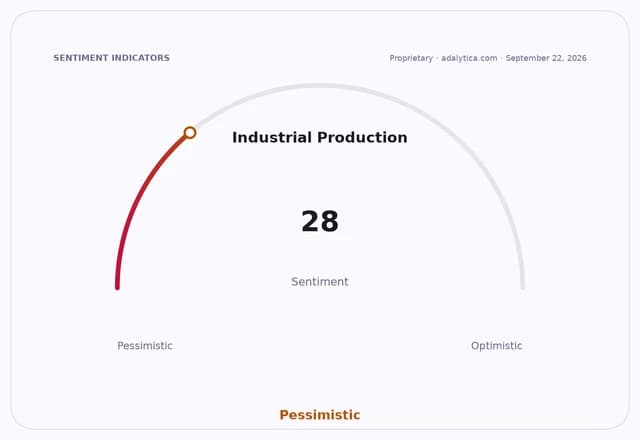
The industrial backdrop is mixed. Turkey’s broad industrial production trend remains positive, and labor market conditions are far better than during earlier stress periods, but sentiment gauges tied to industrial activity point to caution around the growth outlook. That is one reason a more targeted public investment agenda matters: it can help stabilize cyclical sectors without forcing the state into unfocused stimulus.
The program’s sectoral priorities suggest where the next wave of public spending should flow. In agriculture, the state will focus on irrigation, animal health and crop systems; in energy, on supply security, local technologies and transmission links for renewables; and in defense and transport, on domestically developed systems and strategic infrastructure. Those choices are designed to raise resilience as much as growth.
The bull case is that better-targeted public investment improves productivity, lifts regional activity and generates follow-on private spending. The bear case is that execution risk, budget constraints and long project lead times blunt the impact, leaving the headline priorities intact but the economic payoff delayed. For markets, the key question is less the policy intent than whether Ankara can turn it into timely, financed projects that move output, employment and corporate earnings.
| Entity | Gains | Losses |
|---|---|---|
| Turkish contractors | ▲More state-funded projects | ▼Fewer lower-priority awards |
| Industrial suppliers | ▲Higher infrastructure demand | ▼Weakerspending in other areas |
| Regional economies | ▲More targeted investment | ▼Less broad-based allocation |
| Fiscal balance | ▲Better capital efficiency | ▼Higher execution risk |