Turkey Talks Iran as Oil Nears 97 on Hormuz Risk
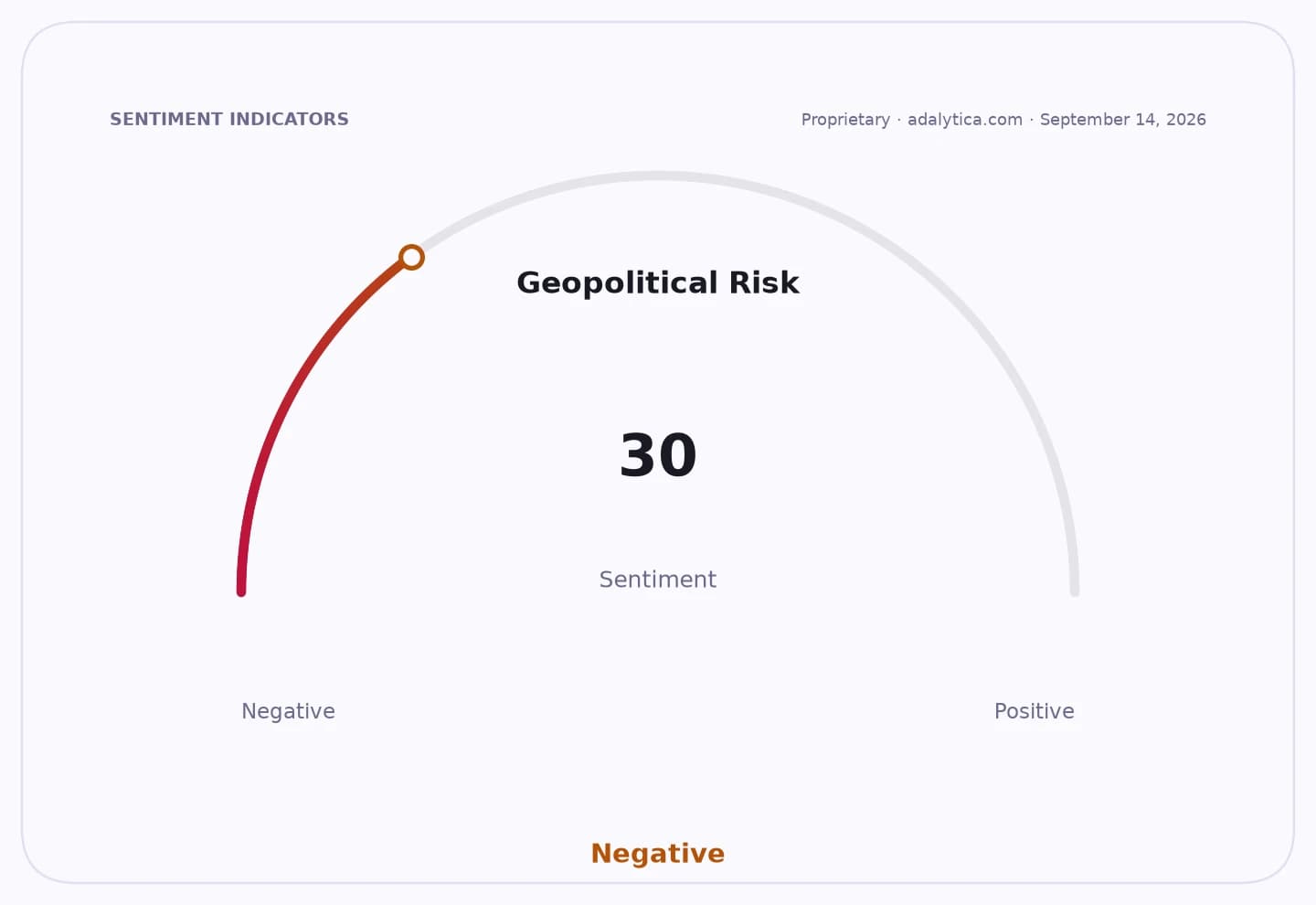
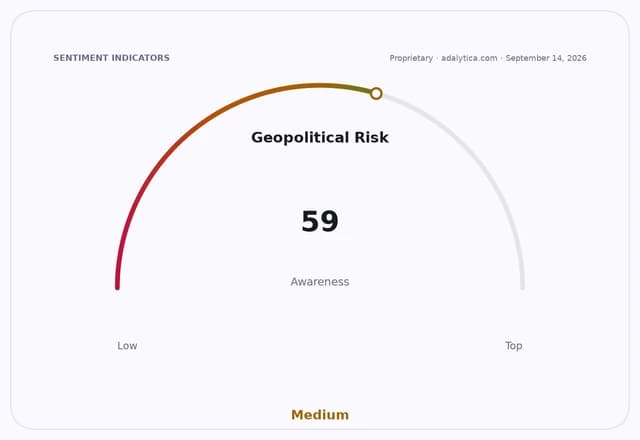
Turkey’s foreign minister Hakan Fidan has stepped into one of the region’s most dangerous flashpoints, with fresh contact with Iran coming as attacks around the Strait of Hormuz drive oil back toward $97 a barrel and keep markets on edge.
That matters because the Strait is the chokepoint for a large share of the world’s seaborne crude. Any escalation between the US, Iran and Iranian-backed forces raises the odds of shipping disruptions, higher freight and insurance costs, and a renewed inflation pulse just as investors have been trying to price in a softer global growth outlook. The latest move in diplomacy is less about optics than about whether a regional confrontation can be contained before energy prices become a broader macro problem.
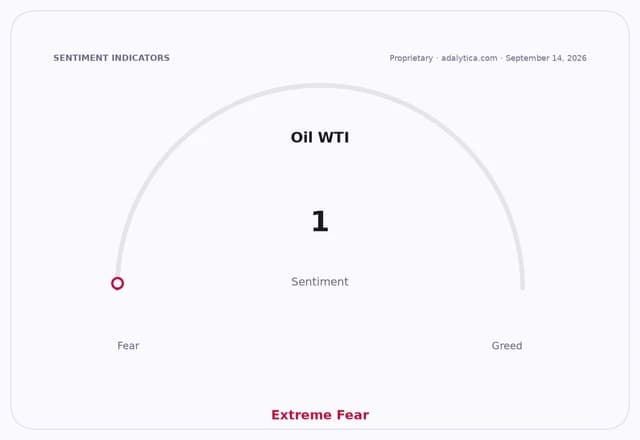
Brent-linked pricing has already reacted sharply. WTI settled at $97.26 on Sept. 9 and the forecast for Sept. 10 pointed to $97.34, while the USO oil fund has surged to $156.40, its highest level in the data set, with a 50-day moving average well above the 200-day average and RSI readings signaling a stretched but still strong uptrend. That is the market telling you oil is no longer trading as a normal commodity — it is trading as a geopolitical risk asset.
The spillover is showing up across rate markets too. The 10-year US Treasury yield has climbed to 4.95%, underscoring the tension between safe-haven demand and the inflation risk from higher energy. If the confrontation broadens, the Federal Reserve and other central banks will be forced to look through not just one more oil spike, but the second-round effects on transport, manufacturing and consumer prices.
For investors, that creates a clear split. Energy producers, oilfield service firms and pipeline owners stand to benefit from a higher-for-longer crude regime, while refiners, airlines, chemicals and consumer-facing companies with weak pricing power get squeezed. The market still appears to be underestimating how quickly a Middle East escalation can reprice earnings expectations across sectors, especially if shipping through Hormuz is threatened or curtailed.
The more important trade, in my view, is not just chasing the headline spike in oil. It is positioning for persistent geopolitical risk premium. That favors integrated producers such as Chevron and Exxon Mobil, along with service names like SLB, which tend to gain leverage when producers protect cash flow and keep capital spending elevated. If diplomacy cools the situation, the upside in crude may fade quickly; if it fails, the move could become a multi-quarter earnings story rather than a one-day shock.
Turkey’s outreach suggests the diplomatic channel is still open, but markets are pricing a world in which the rhetoric around Iran, the US and the Strait of Hormuz can still turn into a supply shock. For investors, the takeaway is simple: own the energy infrastructure and upstream cash generators before the next escalation forces consensus to catch up.
| Entity | Gains | Losses |
|---|---|---|
| Chevron, Exxon Mobil | ▲Higher crude cash flow | ▼Refining margin pressure |
| SLB and oil services | ▲More upstream spending | ▼Delay in project approvals |
| Airlines and shippers | ▲Cheaper fuel would help | ▼Fuel and insurance costs |
| Treasury bulls | ▲Safe-haven demand | ▼Inflation fears from oil |