Turkey rent law set for 15% September increase
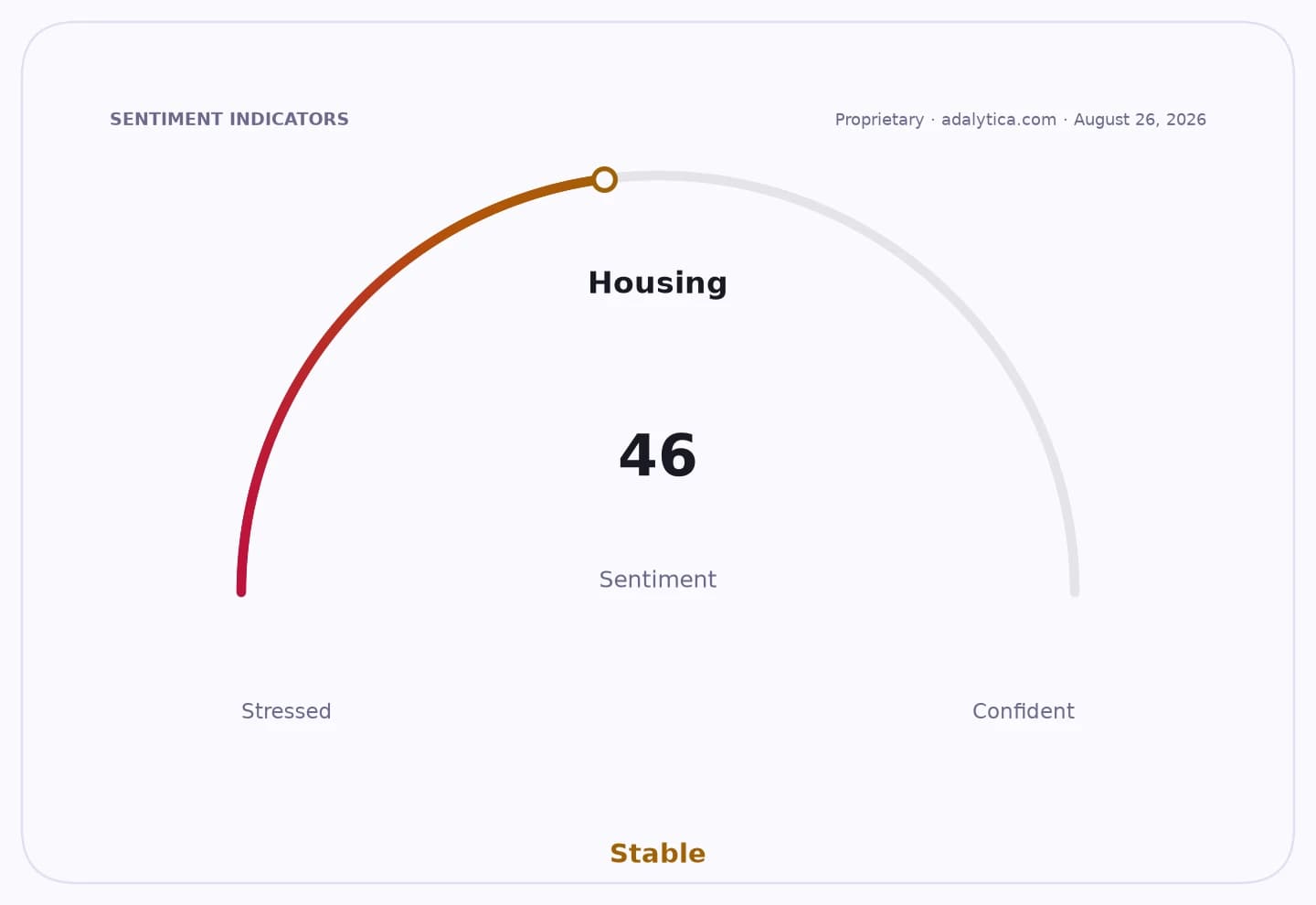
Turkey is set to apply its first annual 15% rent increase under the old rent law from the start of next September, a move that locks in another layer of housing-cost inflation for tenants while giving landlords a higher nominal income floor in a market where affordability remains strained.
The increase matters because rent is one of the clearest and most persistent channels through which inflation is transmitted into household budgets and broader price expectations. Even as official consumer prices have moderated from the sharpest peaks, Turkey’s CPI remains elevated on a high base, and housing costs continue to outpace what many tenants can absorb. That leaves the September adjustment less like a routine indexation exercise and more like a redistribution of pressure across the economy.
The policy also lands at a time when rent dynamics are already uneven. Regional data show sharp rises in some areas, including annual increases of as much as 35% in the Eastern Black Sea, underscoring how local shortages and migration patterns can amplify national rules. Central bank figures showing a 1.9% monthly rise in the New Tenant Rent Index in July suggest the market is still repricing upward even before the old-law increase is applied.
For landlords, the change offers some protection against inflation erosion, especially after a period in which real rents have lagged nominal increases in parts of the country. For tenants, the burden is more immediate: higher renewals can squeeze disposable income, force trade-offs in spending, and increase pressure on lower-income households and urban workers. That has knock-on effects for consumer demand, small businesses dependent on local spending and, eventually, wage negotiations.
Investors will read the move through a broader macro lens. Sticky shelter inflation complicates the path for disinflation, narrows the central bank’s room to ease aggressively and keeps real estate-related pricing power in focus. Residential landlords, homebuilders and consumer-facing companies all sit on different sides of that equation, while the market’s attention will turn to whether the September reset feeds into a broader round of rent repricing.
The key question is whether the 15% annual step-up becomes a one-off administrative adjustment or another sign that Turkey’s housing market remains structurally tight. If rents continue to climb faster than inflation and incomes, the result will be more pressure on households and a less favorable backdrop for consumption-led growth.
| Entity | Gains | Losses |
|---|---|---|
| Landlords | ▲Higher nominal rent income | ▼None from this change |
| Tenants | ▲Limited relief if rents stay capped in practice | ▼Higher housing costs |
| Consumer spending | ▲Possible support if inflation cools later | ▼Squeezed disposable income |
| Inflation outlook | ▲Clearer pricing path if rules are enforced | ▼Sticky shelter inflation |