Turkey Raises Shanghai Cooperation Ties
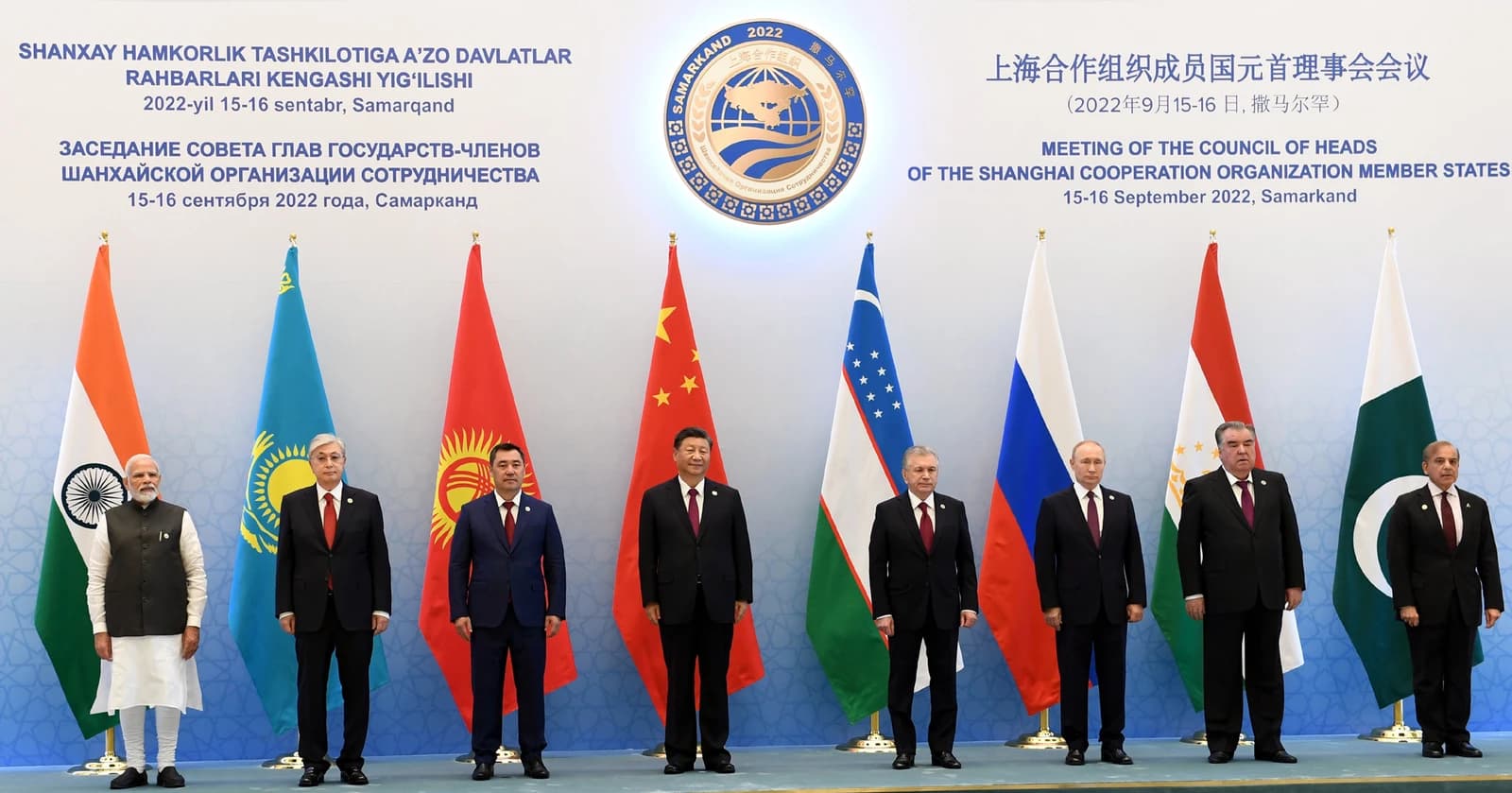
Turkey is signaling a further strategic drift from the Western orbit by saying it is ready to raise ties with the China- and Russia-led Shanghai Cooperation Organization, a move that matters because it widens Ankara’s room to maneuver at a time when global capital, trade routes and sanctions politics are being redrawn.
For investors, the significance is less about symbolism than about second-order effects: Turkey is a G20 economy, a NATO member and a key logistics bridge between Europe, the Caucasus, the Black Sea and the Middle East. Any formal deepening with the SCO strengthens a multipolar trade and financing architecture that can channel more commerce outside dollar-centric systems, while also keeping pressure on Western policymakers who want Turkey aligned on Russia, Iran and broader sanctions enforcement.
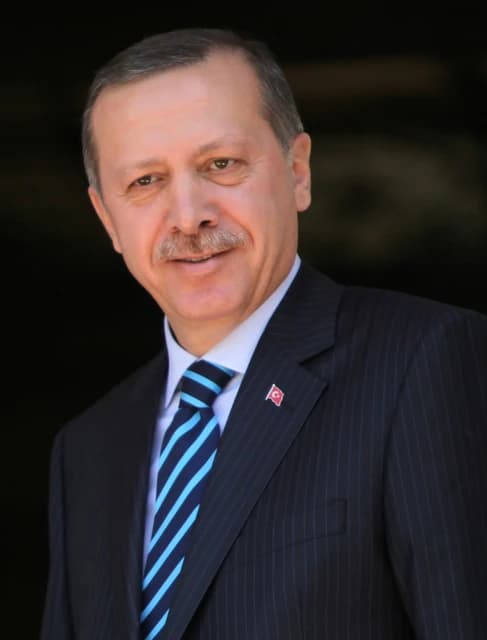
The timing is no accident. The SCO summit in Bishkek brought a sharper anti-sanctions tone, with members condemning strikes on Iran and opposing unilateral sanctions. That reinforces a narrative the market is already underpricing: the bloc is evolving from a diplomatic forum into a geopolitical counterweight that increasingly connects energy, transport, security and settlement systems among emerging-market powers.
That matters economically because Turkey is already living with the trade-offs of inflation, external financing needs and persistent currency weakness. The lira has been grinding near 48.3 per dollar, with its 50-day moving average around 47.4 and the 200-day average near 45.0, showing the currency remains under structural pressure even as short-term momentum stays stretched by technical measures such as RSI readings above 78. In a country that depends on imported energy and external funding, a deeper SCO orientation raises the possibility of more non-dollar trade arrangements, more Eurasian routing, and more pragmatic bilateral financing with China, Russia and other regional players.
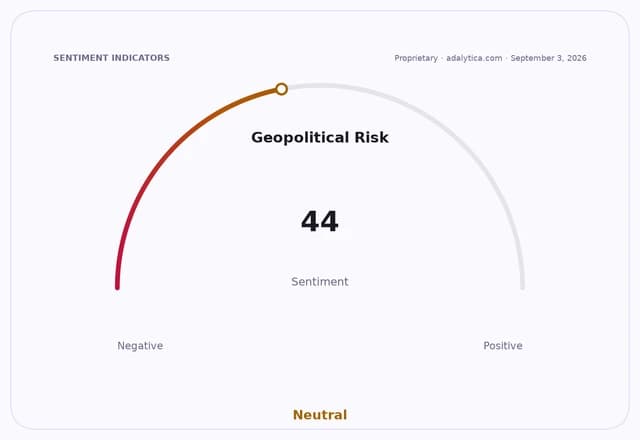
The market backdrop also argues that investors should pay attention to sovereign risk, not just geopolitics. U.S. 10-year Treasury yields are sitting around 4.82%, while high-yield credit spreads are near 2.62 percentage points, a mix that still rewards caution in higher-beta emerging markets. Turkey’s latest signals come as global-stability sentiment from Adalytica has slipped to neutral, while China policy-direction sentiment is in extreme fear — a reminder that investors remain wary of the policy and geopolitical fault lines shaping the next phase of capital allocation.
The investable read-through is straightforward. If Turkey leans further into SCO structures, beneficiaries may include exporters with Eurasian exposure, logistics firms tied to overland corridors, defense and dual-use suppliers, and commodity players positioned for a more fragmented global trading system. The losers are more obvious too: dollar bulls, sanctions purists, and any portfolio built on the assumption that Turkey will steadily re-anchor to the West.
Our thesis is that Ankara is not making a single bloc switch but building optionality — and optionality is valuable in a world of sanctions, supply-chain fragmentation and regional power competition. The market underestimates how quickly that can reprice flows, financing and trade patterns across the Eastern Mediterranean, Black Sea and Central Asia. For investors, the right positioning is to own the infrastructure, energy and logistics winners of a multipolar world, not the fading assumption that alliances will keep capital moving in one direction.
| Entity | Gains | Losses |
|---|---|---|
| Turkey exporters | ▲New Eurasian demand | ▼Western policy friction |
| China/Russia-led SCO | ▲Bigger geopolitical reach | ▼Western diplomatic leverage |
| Logistics/infrastructure firms | ▲More trade-routing demand | ▼Old supply-chain incumbents |
| Dollar-centric investors | ▲— | ▼Non-dollar settlement shift |