Turkish Stream Sends 1.47 Billion Cubic Meters to Europe in July
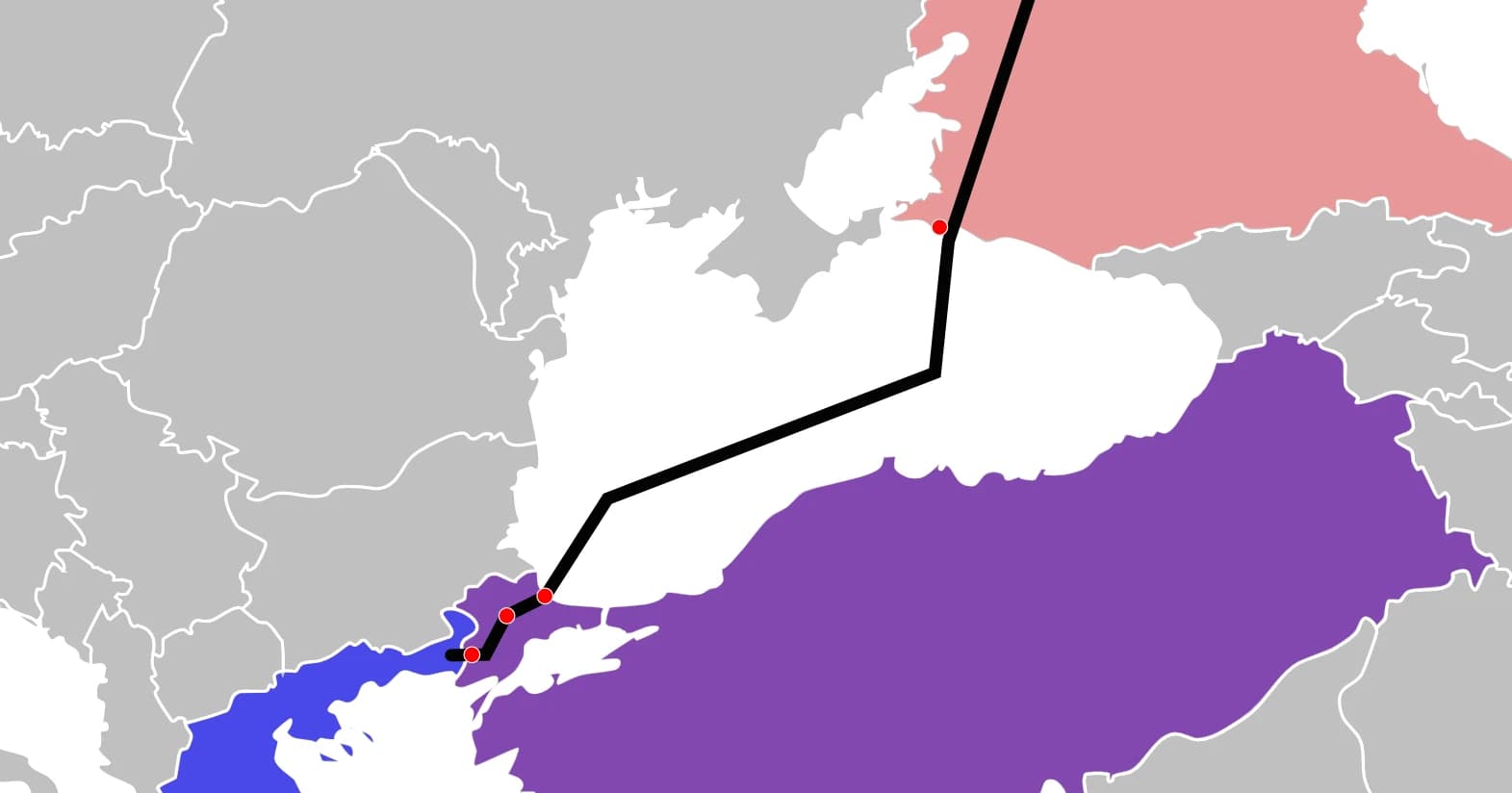
Europe received 1.47 billion cubic meters of natural gas through Turkish Stream in July, underscoring the pipeline’s role as a key route for Russian gas into the continent even as the wider energy market stays volatile.
The flow matters because pipeline supply remains one of Europe’s fastest ways to top up inventories and smooth price spikes when LNG arrivals, weather and geopolitics move against the market. For importers, it adds near-term security; for traders, it is another variable shaping winter storage and spot pricing.
The July volume comes against a backdrop of elevated crude and rates, a mix that keeps energy costs and financing conditions sensitive. WTI was trading near $88.70 a barrel in the latest forecast after a recent slide and rebound, while the 10-year U.S. Treasury yield sat around 4.66% to 4.68%, keeping broader risk assets and commodity-linked currencies in focus.
For investors, the main takeaway is that European gas balance remains dependent on a limited number of corridors, leaving prices vulnerable to any disruption on the Black Sea route or in competing LNG supply chains. That supports gas-linked equities and suppliers when flows are strong, but it also keeps power utilities, industrial users and consumers exposed to sudden cost swings.
North European Oil Royalty Trust, which is sensitive to European energy pricing and currency moves, has already been trading with higher volatility, rising to $9.51 on July 31 from $6.98 on June 29. Conventional technical indicators also show the shares above both the 50-day and 200-day moving averages, with RSI readings still elevated, suggesting the market is pricing in firmer energy conditions.
Adalytica’s oil trade signals also point to a more constructive backdrop for energy, with WTI sentiment in “Greed” territory and global stability sentiment still elevated. The next market catalyst is whether sustained Turkish Stream flows, together with winter storage data and LNG imports, keep European gas prices contained or force another reassessment of supply risk.
| Entity | Gains | Losses |
|---|---|---|
| Turkish Stream suppliers | ▲Stronger export volumes | ▼Less room for rival routes |
| European importers | ▲Near-term supply security | ▼Continued dependence on pipeline gas |
| Gas traders | ▲More pricing volatility | ▼Fewer easy short-term squeezes |
| Industrial users and consumers | ▲Lower outage risk | ▼Exposure to price spikes |