Türkiye inflation erodes wages and consumer demand
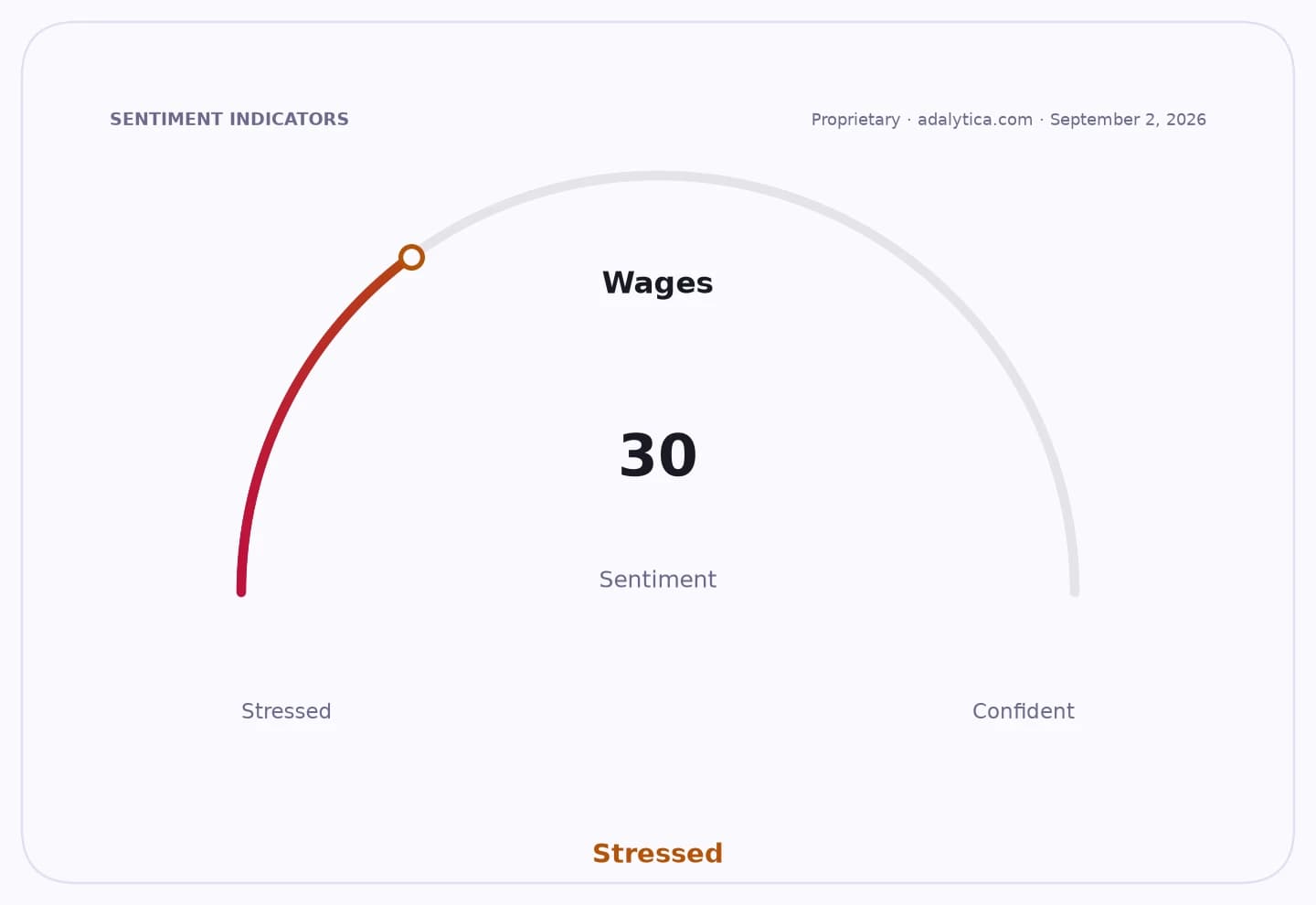
Türkiye’s inflation problem is no longer just a macro headache — it is directly eroding wage increases, weakening household purchasing power and keeping the economy trapped in a low-confidence, low-consumption cycle.
That matters because when pay rises fail to keep up with prices, real incomes fall even if nominal wages climb. In Türkiye, that dynamic is now feeding through to slower growth, weaker consumer spending and a more fragile backdrop for companies that depend on domestic demand. The latest read on the economy showed growth slowing to 2.3%, while inflation in Istanbul reached nearly 35% in August, a level that keeps living costs climbing faster than most pay packets can absorb.
The strain is showing up in expectations as well. Household inflation expectations have risen to 45.58%, a sign that people are still bracing for higher prices and are less likely to treat wage gains as lasting relief. That is economically important because inflation expectations can become self-fulfilling: workers demand higher pay, businesses lift prices to protect margins, and the purchasing power squeeze persists.
For investors, this is the central trade-off in Türkiye. High inflation supports nominal revenue growth for some listed companies, but it also weakens consumer volumes, raises wage bills and complicates valuation across domestically oriented sectors. Retailers, banks and consumer-facing businesses can look busy in nominal terms while real activity remains under pressure. Exporters and hard-currency earners tend to look better in this environment because they are less exposed to the local purchasing-power slump.
The broader policy challenge is also clear. Authorities are trying to slow inflation without choking off growth, but that balancing act becomes harder when real incomes keep slipping and households remain defensive. The latest data suggest the economy is still paying the price for years of price instability: growth is positive, but momentum is thin, and the consumer engine is losing force.
That is why the key investable lesson is not simply that inflation is high. It is that Türkiye’s inflation is now behaving like a tax on demand, and that usually favors selective exposure over broad beta. Investors should focus on firms with pricing power, dollar revenues or external demand, while treating local consumption stories with caution until inflation expectations and wage growth finally move back into alignment.
| Entity | Gains | Losses |
|---|---|---|
| Exporters | ▲hard-currency revenues | ▼local demand weakness |
| Domestic consumers | ▲— | ▼real wages and buying power |
| Consumer retailers | ▲pricing power in nominal terms | ▼volume growth |
| Inflation-linked assets | ▲higher nominal protection | ▼policy uncertainty |