Türkiye inflation expectations rise as CBRT stays tight
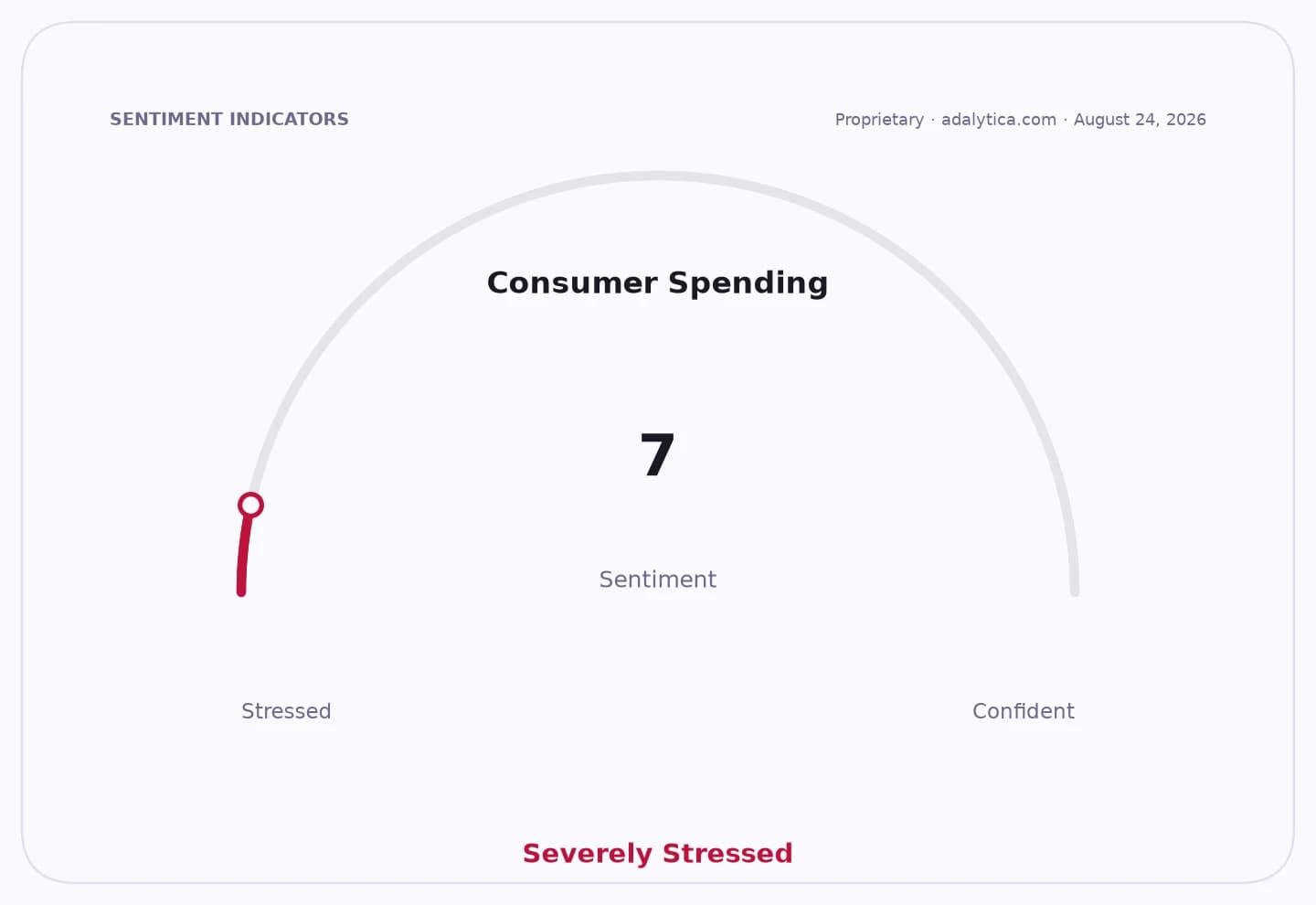
Households and the real sector are expecting higher inflation in Türkiye, underscoring how difficult it will be for the central bank to lock in price stability even as it keeps monetary policy tight.
The rise in expectations matters because in Türkiye inflation is still as much a behavioral problem as a statistical one. When consumers and businesses assume prices will keep climbing, they bring forward purchases, demand higher wages and prices, and make disinflation harder for the central bank to sustain. That can force policymakers to keep rates restrictive for longer, increasing the cost of credit and slowing the economy, but it also reduces the risk of an early policy pivot that would rekindle inflation.
The backdrop is still elevated price pressure. Official inflation readings have cooled from earlier peaks, but forecasts remain around 28% for this year, leaving real rates and funding conditions central to the policy debate. The Central Bank of the Republic of Türkiye has reiterated that tight policy is necessary for price stability and sustainable growth, a message that has helped anchor local markets but has not yet fully reset inflation psychology.
That tension shows up in Turkish assets. Bank shares have rallied on the return to 37% funding, which investors read as a sign of normalization after the shock of war-related volatility, but the sector remains down 1.3% this year and continues to trade with a high sensitivity to every signal from the CBRT. For lenders, tighter policy supports disinflation and can improve confidence in lira assets, but it also compresses credit growth and keeps funding costs elevated. For borrowers and consumer-facing companies, persistently high inflation expectations mean weaker purchasing power and less room for margin relief.
The mixed market picture also reflects the policy trade-off. A credible anti-inflation stance can support the lira, reduce dollarization risk and eventually lower risk premiums. But if expectations keep rising, the central bank may have to maintain a restrictive stance longer than investors would like, delaying recovery in domestic demand and keeping pressure on asset quality in the banking system.
For investors, the key question is whether the rise in household and business expectations is a temporary lagging response to past price shocks or evidence that disinflation is stalling. If expectations start to drift higher again, the case for Turkish equities broadening beyond banks weakens and duration-sensitive assets remain vulnerable. If the CBRT can keep policy tight long enough to bend expectations back down, the payoff would be a stronger lira, lower inflation risk premia and room for a more durable rerating in local assets.
| Entity | Gains | Losses |
|---|---|---|
| CBRT | ▲Policy credibility | ▼Growth in the near term |
| Turkish banks | ▲Higher funding normalization | ▼Loan demand pressure |
| Households | ▲None | ▼Purchasing power |
| Consumer companies | ▲Pricing power | ▼Volume growth |