Türkiye Producer Prices Rose Faster Than CPI in August
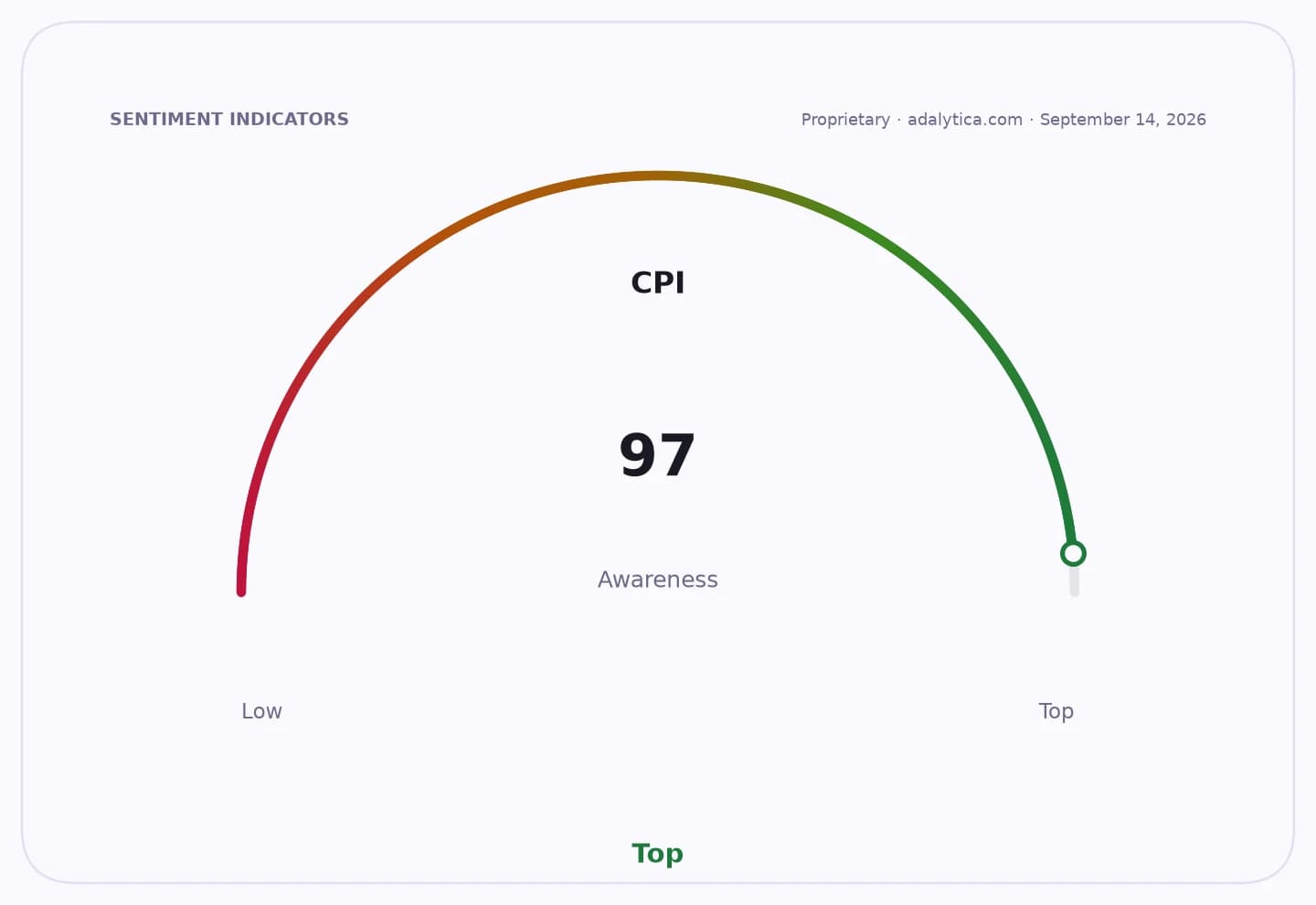
Türkiye’s producer prices appear to have risen faster than consumer prices in August, a sign that inflation pressures are still working their way through the economy and could keep the central bank cautious about cutting interest rates too quickly.
Based on TÜİK’s separate inflation and investment-return data, domestic producer prices likely climbed about 2.55% to 2.6% month on month, ahead of the official 1.84% increase in consumer prices. That gap matters because producer inflation is often an early warning for future consumer-price pressure, especially in an economy like Türkiye’s where businesses are already dealing with high borrowing costs, currency swings and persistent price instability.
For investors, the message is simple: disinflation in Türkiye is not yet clean or evenly distributed. Goods producers are still facing faster cost growth than households are seeing at the checkout, which can squeeze margins, delay margin recovery for corporates and keep real interest rates a key issue for banks, exporters and domestically focused companies alike. It also reinforces why the central bank has been reluctant to move aggressively on policy easing even as markets look for a clearer path to rate cuts.
The estimate was derived from TURKSTAT’s real investment-return report and cross-checked against CPI data, rather than from an official producer-price release. Using instruments such as gold, deposits, the dollar and the euro as reference points, the implied producer-price gain came out roughly 0.7 to 0.8 percentage points above CPI for the month. TURKSTAT said gold was the best-performing instrument in real terms, underscoring how inflation still shapes every corner of the local market.
That distinction between producer and consumer inflation is more than a statistical footnote. If producer prices keep running hotter, companies may eventually pass more of those costs on to consumers, or absorb them in weaker profitability. Either outcome has consequences for equities, bonds and the lira. For long-term investors, the takeaway is that Türkiye remains a high-inflation market where careful stock selection, pricing power and balance-sheet strength matter more than chasing the macro cycle.
The broader story is that Türkiye’s inflation fight is still unfinished. Even with consumer inflation easing from peak levels, the producer side of the economy suggests the price environment remains sticky, leaving policymakers with less room to relax and investors with a reason to stay selective and patient.
| Entity | Gains | Losses |
|---|---|---|
| Producers with pricing power | ▲Preserve margins | ▼Face higher input costs |
| Central bank hawks | ▲Stronger case for caution | ▼Less room to ease |
| Savers in lira assets | ▲Higher real-return appeal | ▼Still exposed to inflation |
| Domestic consumers | ▲Some CPI relief | ▼Risk of future pass-through |