U.S. credit card balances rise to $1.28 trillion

Credit card balances in the U.S. are still climbing, and that matters because the business grows best when households are stretched rather than secure.
New data show credit card debt rose by $21 billion in the second quarter to $1.28 trillion, underscoring how many Americans are using revolving credit to bridge everyday spending. That is not just a consumer story. It is a late-cycle warning sign for the economy, because credit cards are usually the most expensive form of borrowing, and when balances rise this fast, stress tends to show up later in delinquencies, charge-offs and tighter lending standards.
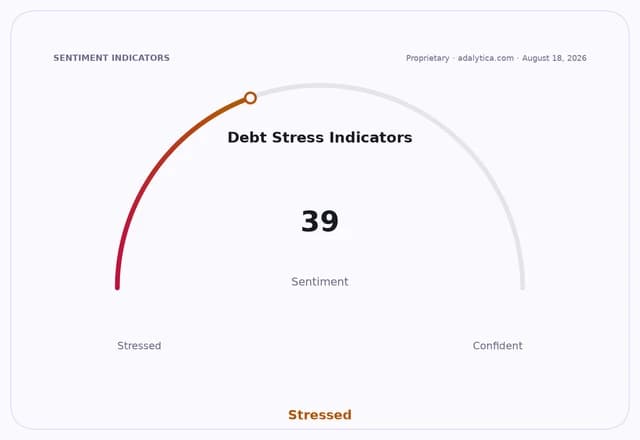
The backdrop is a labor market that is holding up on the surface. The unemployment rate is forecast at 4.09% for August after easing to 4.1% in July, while nonfarm payrolls remain near 158.9 million. In other words, the economy is not rolling over. But that is exactly why the credit card surge is so important: it suggests spending is being sustained not only by income, but by borrowing. For lenders, that can support revenue in the short run. For consumers, it can become a costly trap if balances are not paid down quickly.
Investors are already seeing the split in the market. Capital One has climbed to around $221.45 and American Express to $336.21, with both stocks trading above their 50-day moving averages even after recent volatility. That tells you the market is still willing to reward card issuers that can grow loans and keep credit losses contained. But the same backdrop that lifts interest income can also turn on lenders if unemployment edges higher or borrowers keep leaning on minimum payments instead of principal reduction.
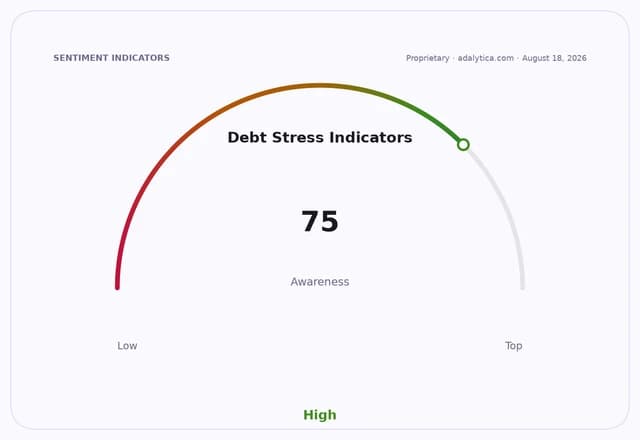
The interest-rate environment keeps the issue alive. The 10-year Treasury is around 4.64%, far above the emergency-era lows that once made refinancing easy and revolving balances more tolerable. When borrowing costs stay elevated, the math on credit cards gets uglier fast. Carrying a balance becomes more expensive, and even a stable job market can mask rising household strain until the bills come due.
That is why the story matters for long-term investors. Credit card companies can look resilient in the early phase of consumer stress, because higher balances and sticky interest rates often support net interest income. But the real test is whether they can keep losses in check as more borrowers rely on unsecured debt for rent, groceries and big-ticket purchases. If they can, the sector remains a durable cash generator. If they cannot, the earnings tailwind fades quickly.
For now, the best reading is that the credit card industry is benefiting from a consumer who is still spending but increasingly precarious. That is good news for lenders in the near term and a reminder for investors to favor the strongest balance sheets, the best underwriting and the brands with the deepest customer relationships. In a business built on revolving debt, the winners are usually the firms that can grow through the cycle without confusing volume for safety. Worth watching, and for patient investors, worth owning selectively.
| Entity | Gains | Losses |
|---|---|---|
| Card issuers | ▲Higher interest income | ▼Rising credit losses |
| Consumers using cards | ▲Short-term spending flexibility | ▼Heavier debt burden |
| Strong lenders like COF and AXP | ▲Loan growth and pricing power | ▼Pressure if delinquencies rise |
| Borrowers with tight budgets | ▲Access to cash flow bridge | ▼Minimum-payment debt trap |