UAE and India Expand Trade Ties in Madhya Pradesh
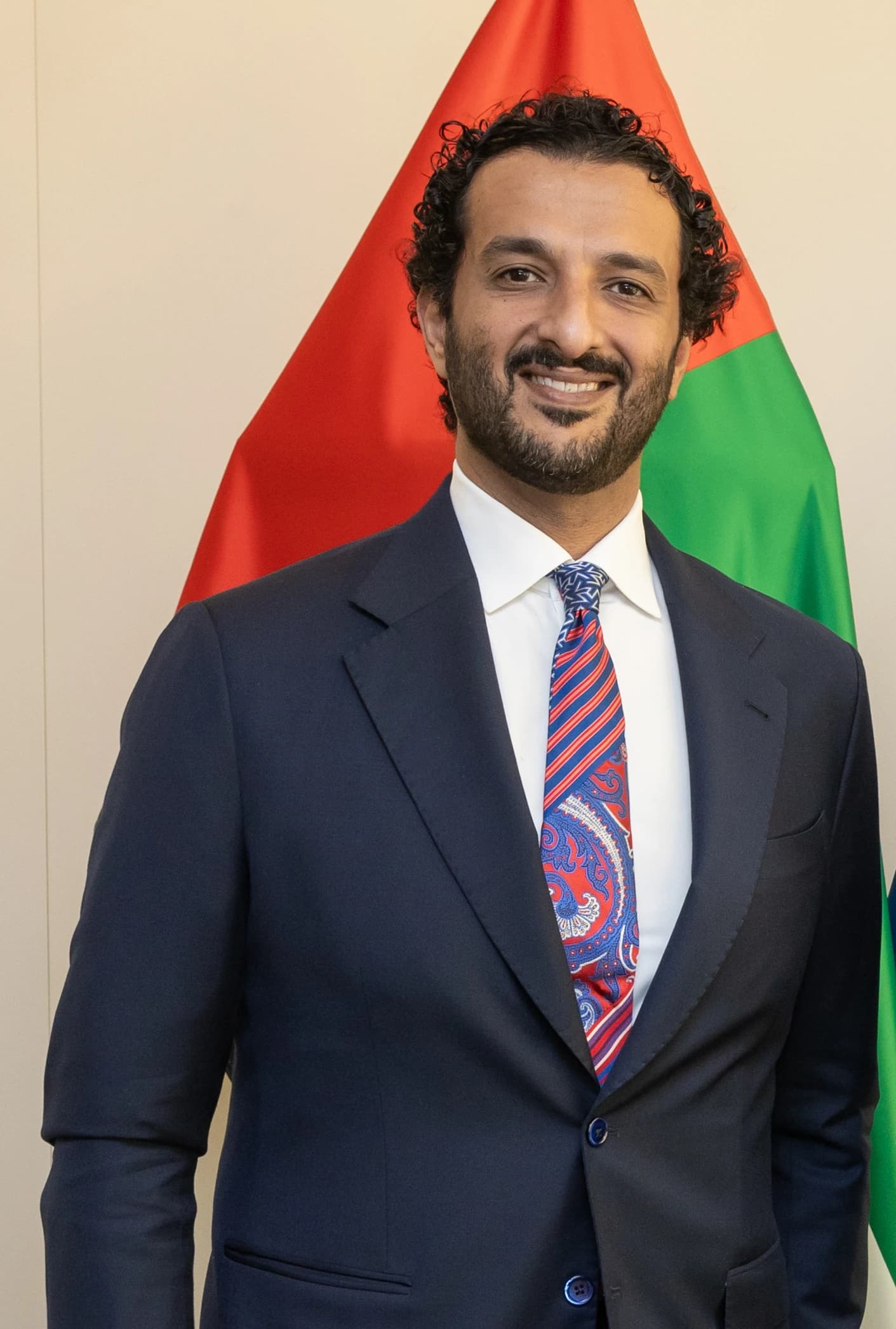
Abdullah bin Touq’s meeting with Madhya Pradesh Chief Minister Mohan Yadav underscores a simple but important investment story: the UAE and India are not just friendly trading partners, they are building a wider commercial corridor that can keep expanding across logistics, food, tourism, entrepreneurship and small business.
That matters because the next phase of growth between the two countries is likely to come less from headline diplomacy and more from practical business links. When governments open the door for companies to move capital, goods and people more easily, the economic payoff tends to show up in longer supply chains, more cross-border investment and steadier demand for transport, warehousing and services.
Bin Touq said the UAE sees India as a strategic economic partner and wants to broaden cooperation in the “new economy,” tourism, food industries, agriculture and logistics. Those are exactly the areas where both economies can benefit from scale. India brings population, production and entrepreneurial depth. The UAE brings capital, connectivity and a business-friendly platform for companies looking to expand into the Gulf, Africa and beyond.
The choice of Madhya Pradesh is telling. The state has a diverse economy with food processing, tourism, agriculture and logistics at its core, giving Emirati companies a possible route into India’s domestic growth story beyond the major coastal hubs. For Indian businesses, the UAE offers an export gateway, financial access and one of the region’s most established logistics networks.
The aviation data in the briefing reinforces why this relationship has so much room to compound. With 1,202 weekly flights between UAE and Indian cities, the commercial link is already dense. That kind of connectivity supports tourism, business travel, cargo flows and small enterprise activity — all the ingredients of a durable trade corridor rather than a one-off diplomatic headline.
For investors, the long-term takeaway is that this is the sort of relationship that tends to create multiple winners. Logistics operators, airlines, food suppliers, tourism companies and small-business enablers can all benefit if cooperation turns into more trade and investment. The UAE also keeps strengthening its role as a regional platform for Indian capital and talent, which can support companies with exposure to both markets.
The broader message is encouraging for patient investors: economic partnerships built on transport links, pro-business policy and sector-specific cooperation often grow slowly at first, then become surprisingly resilient. This one looks worth watching for anyone tracking India, the Gulf and the companies that connect them.
| Entity | Gains | Losses |
|---|---|---|
| UAE exporters and investors | ▲New access to Indian markets | ▼Higher competition for capital |
| Madhya Pradesh businesses | ▲More foreign investment and know-how | ▼Pressure from better-funded rivals |
| Airlines and logistics firms | ▲More cargo and passenger demand | ▼Firms reliant on weak routes |
| Small businesses in both countries | ▲Easier cross-border expansion | ▼Standalone local players with limited scale |