UAE, Iran de-escalation may ease oil risk
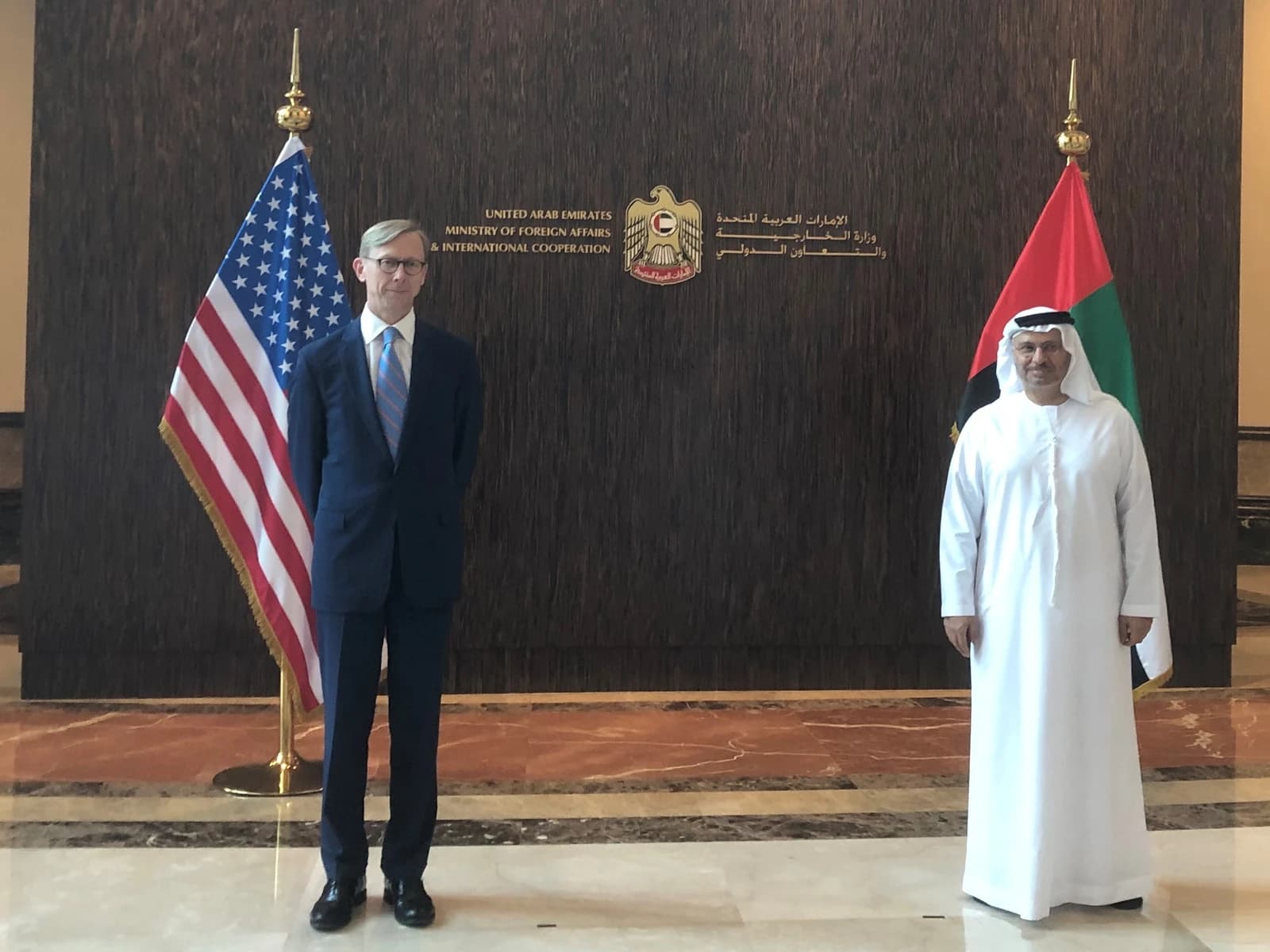
The UAE is signaling that its relationship with Iran is no longer optional, a message that matters well beyond Gulf diplomacy because every step toward restraint in the Strait of Hormuz and Bab al-Mandab lowers the geopolitical premium embedded in oil, shipping and regional assets.
Anwar Gargash, the UAE president’s diplomatic adviser, said on Thursday the relationship with Iran is “necessary” for the Emirates, while warning that rebuilding trust will take years after years of confrontation and attacks. That is the key market takeaway: Abu Dhabi is not declaring a breakthrough, but it is publicly committing to a long, disciplined process of de-escalation at a time when energy traders, shipping operators and investors remain hostage to Middle East risk.
For oil markets, the significance is immediate. The UAE sits at the intersection of two of the world’s most important chokepoints, and Gargash explicitly tied regional stability to protecting freedom of navigation through Bab al-Mandab and the Strait of Hormuz. Those passages are not just diplomatic talking points; they are the arteries of global crude and refined-product trade. When tensions ease, insurance costs, freight rates and the geopolitical risk premium on crude can all moderate. When they worsen, they move the other way fast.
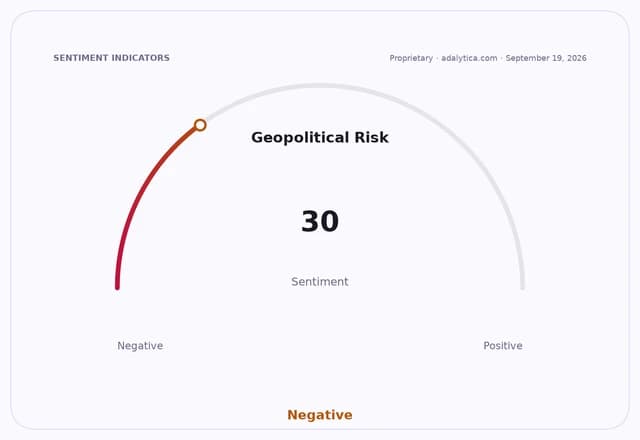
That backdrop helps explain the market behavior in energy-linked assets. WTI proxy USO closed at $153.82 on Sept. 18, still far above its 50-day moving average of $132.53 and its 200-day moving average of $111.28, even after slipping from the recent peak. The ETF’s RSI reading of 75.4 and its proximity to the upper Bollinger Band show a market that has been heavily bid and remains sensitive to any fresh geopolitical shock. At the same time, Adalytica’s Oil WTI trade signals show extreme fear, a reminder that traders are still paying up for uncertainty even as the rhetoric from Abu Dhabi leans toward restraint.
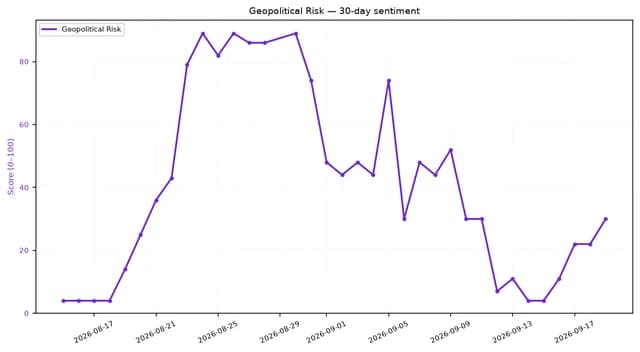
That is where the investment opportunity gets interesting. The market is quick to price headline risk in energy, defense and shipping, but slower to price the compounding benefit of reduced disruption. If the UAE and Iran keep ratcheting down tensions, the obvious losers are the volatility trade and the most levered geopolitical hedges. The beneficiaries are airlines, shippers, industrials and energy consumers that have lived with a standing oil-risk surcharge for far too long.
The UAE is also making a broader strategic point: deterrence and diplomacy are not mutually exclusive. Gargash said the Emirates did not choose war or escalation, but responded when its interests were targeted. That balance matters because it suggests the Gulf’s current playbook is not naive reconciliation, but a pragmatic effort to contain risk while preserving flexibility. In investor terms, that usually means fewer sudden supply shocks, less policy noise and a better backdrop for capital formation across the region.
The Saudi angle reinforces that view. Gargash said Saudi Arabia’s security is integral to the UAE’s and to Gulf stability, underscoring that any de-escalation with Iran is really about reducing the whole region’s cost of capital. The same logic applies to the UAE’s support for freedom of navigation and for stronger state institutions in Yemen, Lebanon and Iraq: the long game is to narrow the space for armed non-state actors that can interrupt trade routes and destabilize energy flows.
For investors, the playbook is clear. If you believe the UAE and Iran can keep advancing toward a colder but functional détente, you should be leaning away from crowded pure-risk hedges and toward the beneficiaries of lower Middle East volatility. That includes energy consumers, international shippers, select emerging-market exposures and Gulf infrastructure names tied to trade and logistics. It also argues for caution on chasing oil at extended technical levels unless a new escalation actually materializes.
The real thesis here is not that peace has arrived. It is that the market underestimates how valuable even incremental restraint can be in a region that still sets the tone for global energy pricing. If Abu Dhabi is telling us trust will take years to rebuild, that is precisely the kind of slow-moving geopolitical normalization that can create durable winners for patient investors before consensus catches up.
| Entity | Gains | Losses |
|---|---|---|
| UAE and Gulf economies | ▲Lower regional risk premium | ▼None if de-escalation holds |
| Iran | ▲Diplomatic reopening | ▼Hardliners and escalation hawks |
| Oil consumers and shippers | ▲Lower disruption risk | ▼Oil bulls betting on conflict |
| USO / oil volatility trades | ▲None | ▼Elevated geopolitical premium |