Artificial intelligence is moving from a back-office efficiency tool to a gatekeeper for entry-level banking jobs, and UBS is among the first major European lenders to make that shift explicit.
UBS asks junior hires to show AI skills

The Swiss bank is now asking graduate and intern candidates for its global banking and markets business to show how they have used AI to improve outcomes and efficiency, according to people familiar with the matter cited by the Financial Times. UBS also plans to add questions on AI fluency to interviews for junior hires, and the requirement is expected to extend to other new roles across the group.
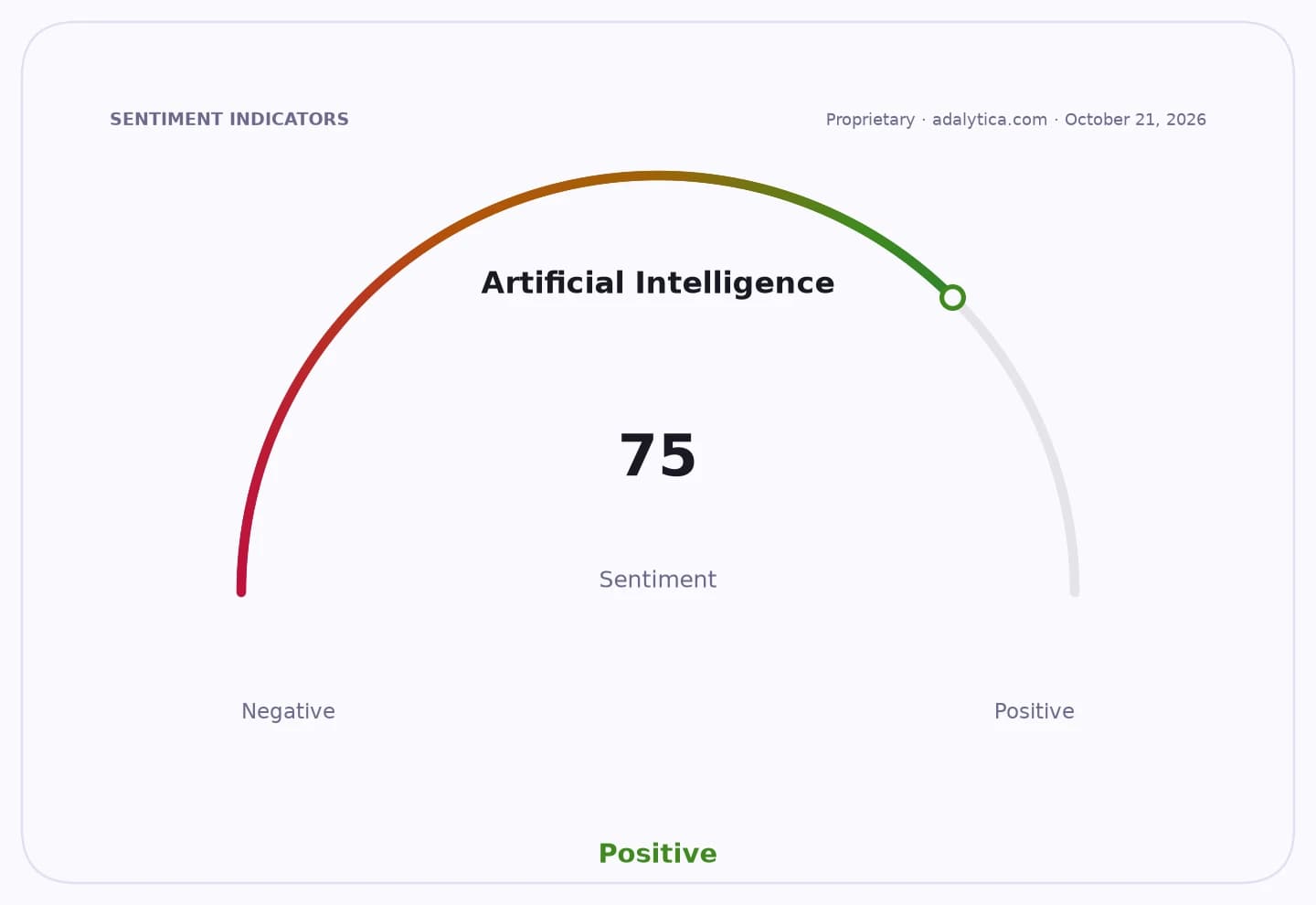
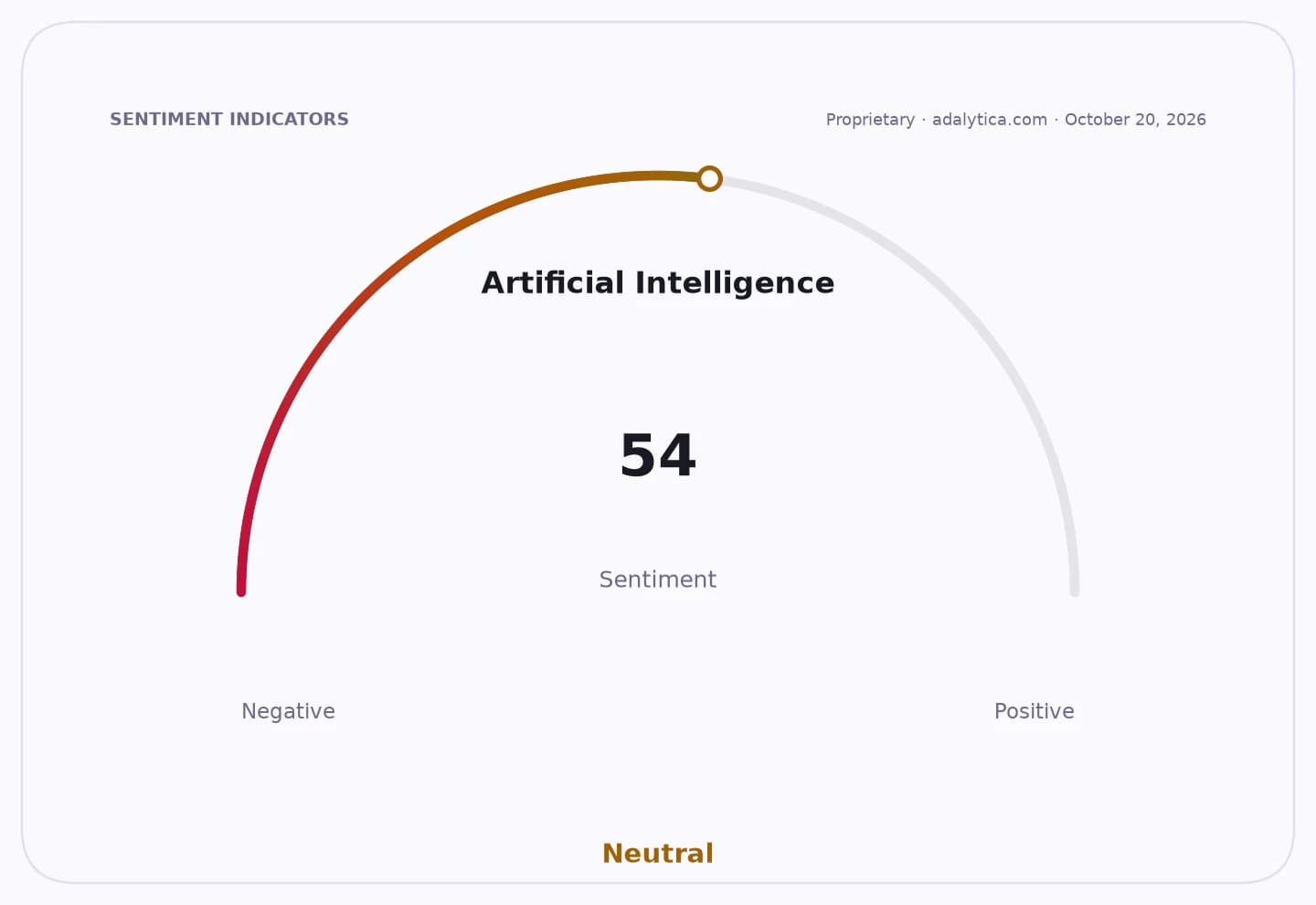
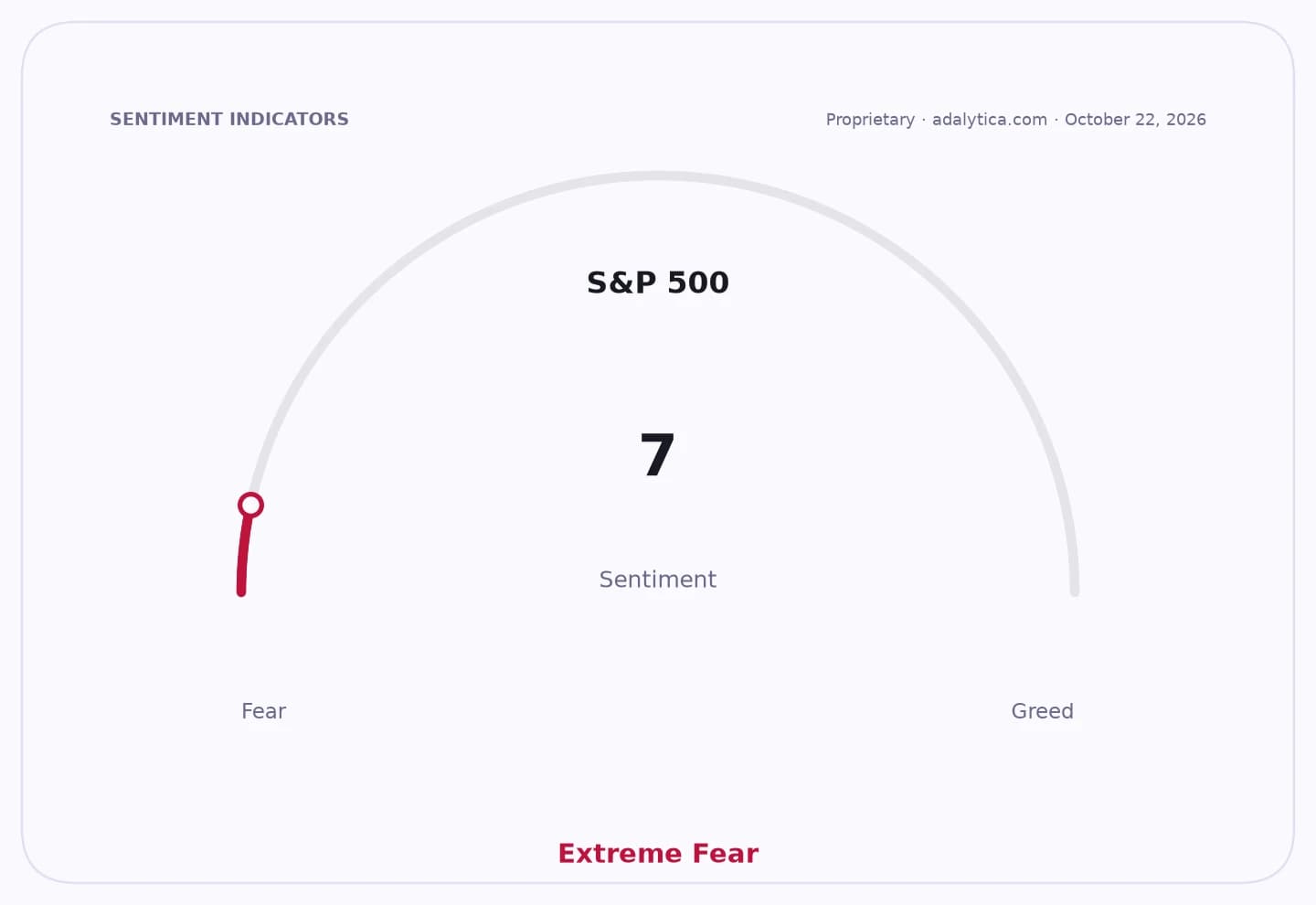
Sentiment IndicatorsⓘProprietary · adalytica.com · September 7, 2026
This is a snapshot — live sentiment, awareness and momentum for 130+ markets update continuously in the dashboard.Open AlphaPulse
That matters because it marks a change in what banks are hiring for at the bottom of the talent pipeline. Junior bankers have historically spent much of their time on tasks that are repetitive but essential: financial analysis, research, pitch books and client presentations. If AI can absorb more of that work, the traditional apprenticeship model in investment banking starts to change, along with the economics of staffing. For lenders, the appeal is clear: lower costs, faster output and potentially better margins in a business still under pressure to deliver returns in a low-growth, highly regulated environment.
UBS is not alone. Santander has also sought “advanced AI users” for some graduate programmes, underscoring how quickly AI literacy is becoming part of the hiring screen in European banking. UBS said it is continuously reviewing hiring criteria and that AI capability has become an important factor for future success as financial services are reshaped by the technology. The bank also said AI literacy complements, rather than replaces, academic, analytical and interpersonal skills.
Investors should read the move as part of a broader efficiency push across the sector, not a narrow recruitment tweak. Morgan Stanley analysts recently warned that more than 200,000 banking jobs in Europe could be at risk over the next five years as banks adopt AI and close more branches. That estimate captures the economic logic driving the industry: if technology can automate routine work and reduce headcount needs, banks can protect profitability even as revenue growth remains uneven.
The market relevance is twofold. First, AI adoption could support cost-income ratios and free up capital for businesses with higher returns. Second, it raises a productivity question: if fewer junior staff are needed, banks may need to redesign training so future managers still learn core skills on the job. JPMorgan’s EMEA co-head Conor Hillery has warned that firms must be careful not to let staff lose sight of the fundamentals as AI takes over more routine tasks.
UBS has already been experimenting with those efficiencies. It has been developing analyst avatars that can deliver video presentations to clients, a sign that the technology is moving beyond internal process automation into client-facing work. That can improve scale, but it also suggests the next round of productivity gains may come from replacing hours of junior labour with software-generated output.
For investors, the bull case is that large banks can use AI to sharpen margins without sacrificing service quality. The bear case is that gains may arrive alongside higher execution risk, weaker training pipelines and heavier job losses that could draw regulatory and political scrutiny. The next catalyst will be whether banks like UBS can translate AI hiring standards into measurable cost savings and operating leverage without damaging deal execution or client coverage.
| Entity | Gains | Losses |
|---|---|---|
| UBS | ▲Lower hiring costs | ▼Bigger training burden |
| Large banks | ▲Better efficiency | ▼Junior job creation |
| Investors | ▲Higher margins | ▼Execution risk |
| Graduate bankers | ▲AI skill premium | ▼Traditional entry roles |