UK gas prices rise to highest level since 2022
UK gas prices have surged to their highest level since 2022, and that matters because Britain enters winter with far less flexibility than many of its peers.
The key issue is not just that prices are rising; it is that the UK is structurally exposed to them. The country relies heavily on natural gas for heating and power, yet stores relatively little of its own supply. When demand jumps or wind generation weakens, the system leans harder on imported liquefied natural gas arriving by ship, which makes the market more vulnerable to global price swings and supply disruptions.
For households, the timing is painful. Winter energy bills are already set to be the highest in three years, which means a further rise in gas prices could squeeze disposable income just as consumers are heading into the season when heating costs dominate budgets. That is a real economic drag. Energy bills do not just hit families directly; they ripple through retail spending, hospitality demand and broader confidence.
For investors, the message is mixed but important. Higher gas prices can support upstream producers, LNG exporters and utility businesses with pricing power, but they also raise costs for energy-intensive companies and keep pressure on UK consumers. In the near term, that tends to favor firms with exposure to global gas markets rather than domestic end users. Over time, it also keeps the case alive for energy diversification, storage investment and renewables that can reduce reliance on imported gas.
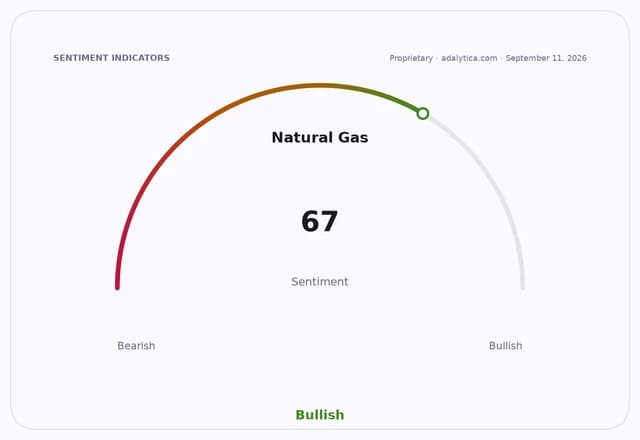
Natural gas futures have already been volatile, and the current backdrop suggests the market is pricing in a tighter winter balance. Conventional technical indicators on U.S. gas futures show prices holding above the 50-day moving average, while momentum readings remain constructive rather than overheated. That does not guarantee a straight line higher, but it does suggest traders are not dismissing the risk of another cold-weather squeeze.
The broader investment lesson is familiar: commodities can move fast when supply is tight and weather turns against consumers. For long-term investors, the bigger takeaway is that Britain’s energy vulnerability is still very real. If winter demand spikes or renewable output disappoints, gas prices could remain elevated and keep pressure on the economy. Worth watching, especially for anyone exposed to UK consumer spending or European energy markets.
| Entity | Gains | Losses |
|---|---|---|
| LNG exporters | ▲Higher seaborne demand | ▼— |
| UK gas producers | ▲Stronger pricing backdrop | ▼— |
| UK households | ▲— | ▼Higher winter bills |
| UK retailers and energy users | ▲— | ▼Weaker consumer spending |