UK Inflation Seen Rising to 3.1% in August

UK inflation is expected to edge up to 3.1% in August, a move that matters because it would confirm that the fall in headline price pressures earlier this summer was temporary and that energy-linked shocks are again feeding into the economy.
The rise from 2.9% in July would mark a third straight monthly increase from June’s 15-month low of 2.6%, and would strengthen the case for the Bank of England to keep policy tight for longer. For households, it means another hit to real incomes just as consumer confidence and spending remain fragile. For investors, it raises the odds that sterling rates stay elevated and that rate-sensitive assets face renewed pressure if inflation proves stickier than policymakers expected.

The main driver is fuel. Economists say petrol and diesel prices climbed after oil prices moved higher following the collapse of the US-Iran ceasefire on July 8, adding roughly 0.2 percentage points to CPI inflation, according to Oxford Economics’ Andrew Goodwin. Airfares are also likely to have risen after a weaker July, with higher jet fuel costs feeding through to ticket prices. Pantheon Macroeconomics said higher electronics prices, linked to chip shortages amid the AI boom, could add another 0.2 percentage points — a reminder that inflation is not being driven only by energy, but by supply bottlenecks in goods as well.
That combination matters economically because it broadens the inflation impulse beyond a single volatile category. Instead of a one-off petrol spike, the August reading would show price pressure spreading through transport, goods and energy-linked services. Deutsche Bank expects inflation to keep climbing and peak around 3.5% in November, helped by another rise in household energy bills in October. If that path plays out, the Bank of England will have less room to pivot toward easing even if growth remains subdued.
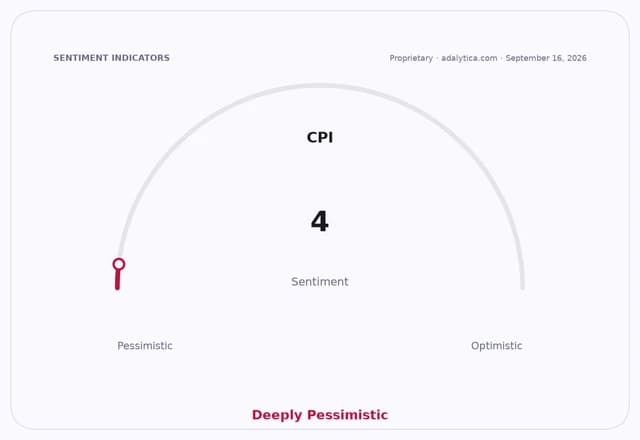
Markets are already responding to the prospect of stickier inflation. Higher inflation expectations have lifted the odds of additional rate increases in coming months, which would support short-dated gilts relative to equities and credit, but could weigh on domestic stocks tied to consumer demand and borrowing costs. Energy producers and refiners, by contrast, tend to benefit from firmer crude prices, while airlines, retailers and other fuel-intensive businesses face margin pressure.
The broader narrative is that geopolitical risk in the Middle East is once again translating directly into UK price inflation, just as new supply constraints in electronics add a second inflationary channel. For the Bank of England, the question is no longer whether inflation is low enough to relax, but whether the recent re-acceleration becomes entrenched enough to delay any policy shift into next year.
| Entity | Gains | Losses |
|---|---|---|
| Energy producers | ▲Higher crude-linked revenues | ▼None |
| UK motorists | ▲None | ▼Higher petrol and diesel costs |
| Airlines | ▲None | ▼Higher jet fuel and ticket costs |
| Bank of England hawks | ▲Tighter-policy case strengthened | ▼Dovish easing expectations weakened |