UK Patriot Platform Protests and Far-Right Shift
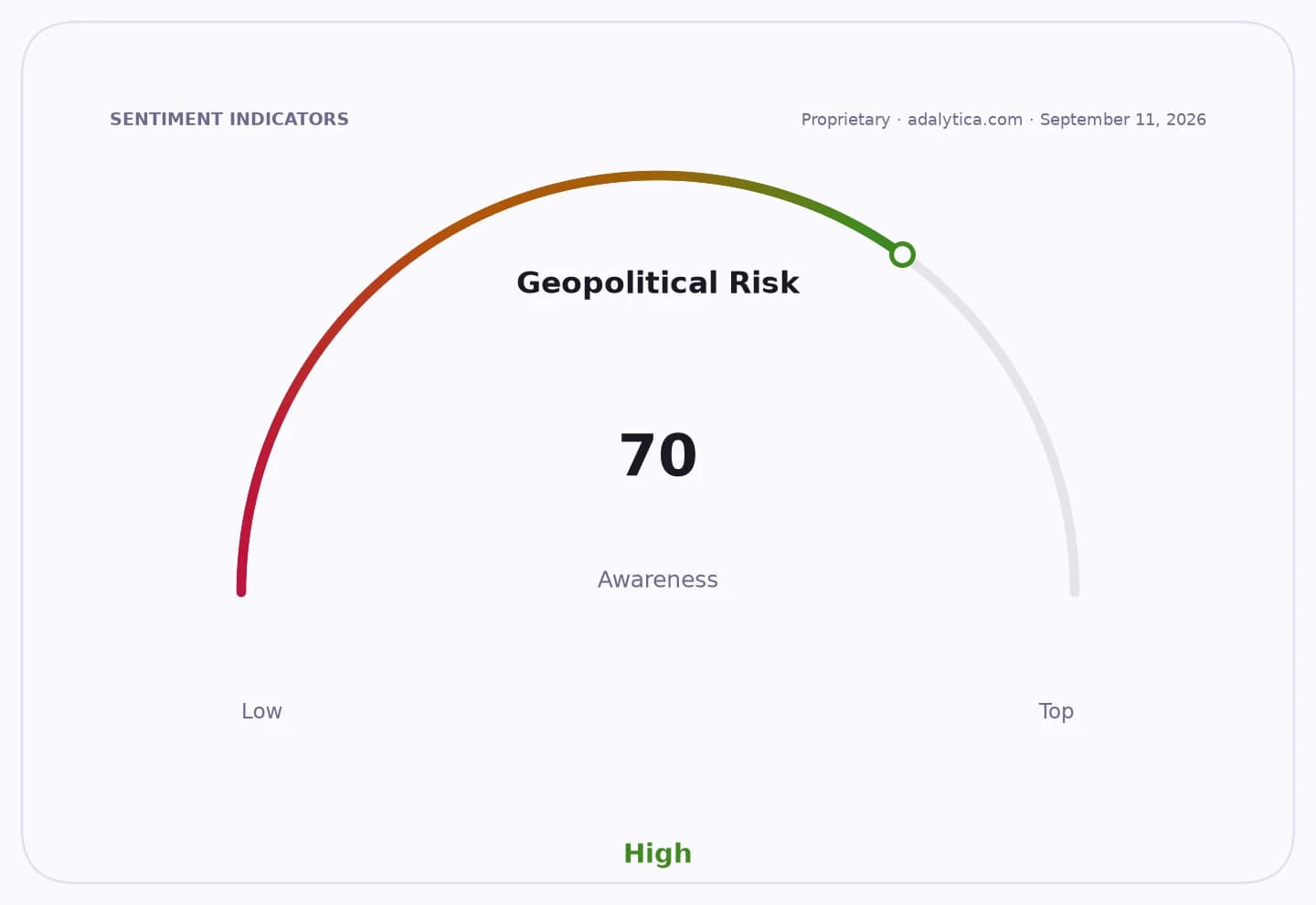
Patriot Platform’s street protests in Dover and Portsmouth are revealing a shift in the UK far right that matters more than any single rally: activists are moving away from fixed, banner-led demonstrations and toward a looser, faster network that can surface at coastal flashpoints, mobilise locally and blur the line between protest and vigilantism.
That change matters economically because small-boat crossings and asylum housing have become pressure points that can disrupt transport, local commerce and policing costs in sensitive areas. When activists occupy roundabouts, block roads or intimidate around ports and accommodation sites, the effect is not just political theatre. It imposes real costs on councils, police and businesses, while increasing the risk of confrontation at a time when Britain is already under strain from migration politics and broader social tension.
Patriot Platform’s claimed 45,000 sign-ups suggest a reach far beyond a handful of demonstrators. The more important point is organisational: unlike older far-right formations that tried to build one hierarchy, this network appears designed to connect local “patriot” groups and move activists between flashpoints. That makes it harder for authorities to contain and for opponents to predict. It also reflects a lesson drawn from the Southport riots and the protests around asylum accommodation, where misinformation could jump quickly from social media to the street.
The group’s explicitly Christian framing is also significant. By presenting itself as a “Christian army of patriots” and invoking “Christian values,” Patriot Platform is trying to recast anti-migrant activism as a moral and civilisational mission rather than a narrow protest movement. That widens its potential appeal, deepens the emotional charge of its messaging and may help it tap transatlantic funding and support networks that respond to Christian-nationalist language.
For investors, the relevance is indirect but real. Persistent disorder around ports, housing sites and coastal communities can complicate logistics, raise insurance and security costs, and add to the operating uncertainty facing firms with exposure to UK transport, retail and regional infrastructure. More broadly, a far right that is more networked and locally adaptive raises the odds that migration politics will remain a live source of social instability, which can feed into market caution around UK domestic assets and sterling-sensitive sentiment.
The key question is not whether Patriot Platform lasts as an organisation. It is whether its tactics, symbolism and Christian-nationalist framing get copied more widely across Britain’s far right. If they do, the country may face a more durable model of intermittent disruption: smaller than the 2024 riots, but harder to forecast and easier to reignite.
| Entity | Gains | Losses |
|---|---|---|
| Patriot Platform | ▲faster mobilization | ▼easier policing |
| Local far-right activists | ▲broader reach | ▼central control |
| Police and councils | ▲clearer threat mapping | ▼operational burden |
| UK transport and local business | ▲none | ▼disruption risk |