UK travel spending rose 2.5% in July
Travel agents in Britain posted a 2.5% year-on-year rise in spending in July, extending June’s 1.9% increase and suggesting consumers are still willing to book holidays even as scorching weather and geopolitical unease weigh on household budgets.
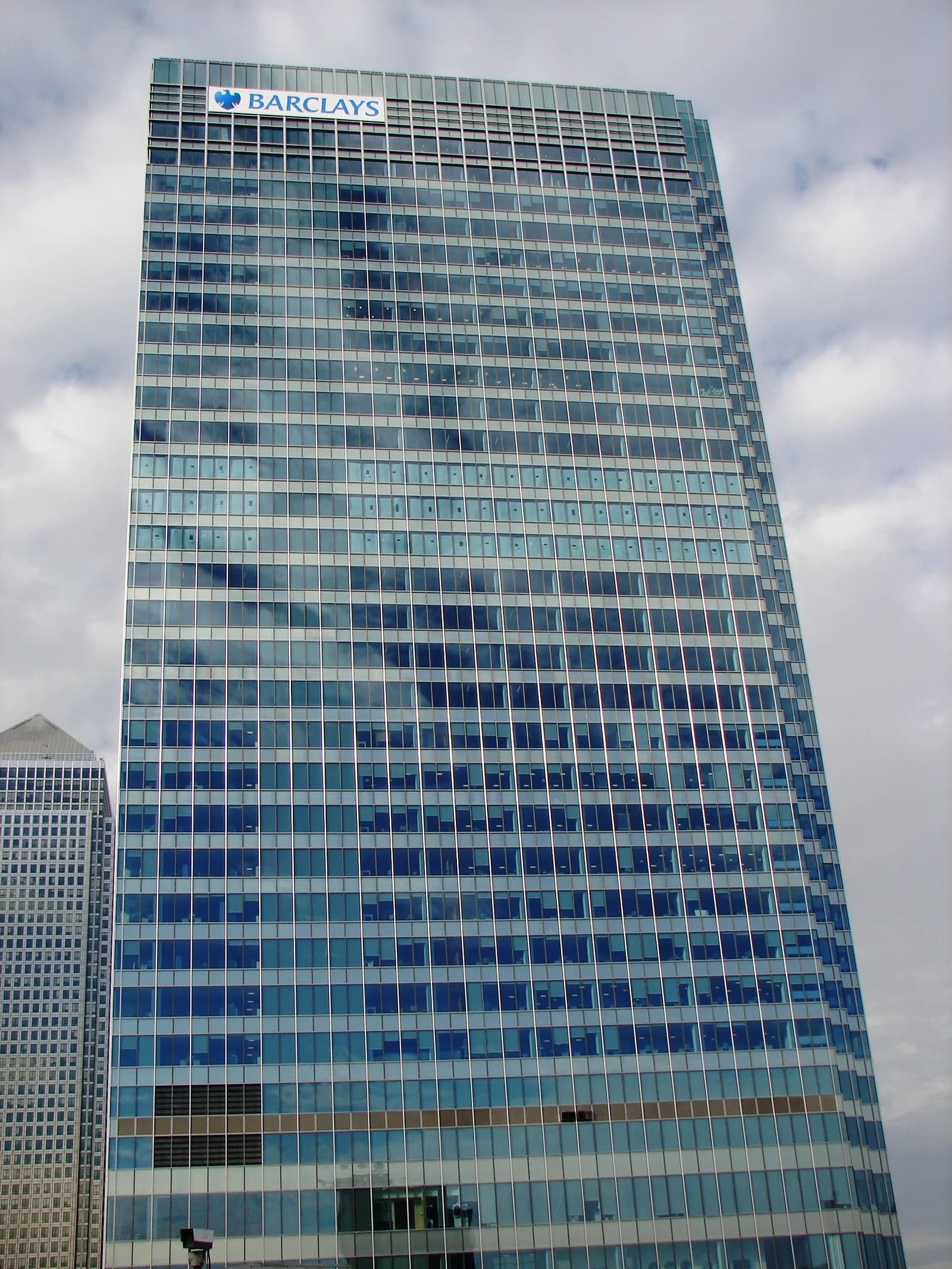
The rebound matters because travel is one of the more discretionary slices of consumer spending, and its resilience is a read-through for both the UK economy and listed travel names such as Booking Holdings, Expedia and TripAdvisor. Barclays’ latest Consumer Spend Report points to a sector that has moved on from the disruption caused by the conflict in the Middle East, with holiday plans holding up into the peak summer season.
That strength is notable against a backdrop of uneven consumer demand elsewhere and a broader economy still struggling for momentum. Travel spending often gets hit quickly when households feel the pinch from higher borrowing costs or a worsening outlook, but July’s gain implies that at least part of the market is still prioritizing experiences and overseas trips over bigger-ticket goods. Barclays’ separate spending gauges also showed improving retail-goods appetite, but the travel reading is the cleaner signal for services demand and summer bookings.
For investors, the data supports the case that travel demand has not cracked despite the latest shock from regional tensions. That is constructive for online travel agencies and booking platforms, which depend on volume, pricing power and cancellation trends. It also helps explain why shares of Booking Holdings and Expedia have remained firm in recent trading, with Booking around $212 and Expedia near $326 — both well above their 50-day moving averages — even as the wider market debates how much of this year’s consumer outperformance can last.
The relative resilience also speaks to a shift in booking behavior. Consumers appear to be trading through heatwaves and newsflow rather than abandoning trips, which should help airlines, accommodation providers and agencies preserve late-summer revenue. But the bear case remains that travel is being supported by timing rather than trend: if household real incomes soften or another geopolitical flare-up hits cancellations, the sector’s outperformance could fade quickly.
The key test for the rest of the summer will be whether the July improvement persists into August and beyond, or whether it proves to be a temporary pause in a still-fragile consumer cycle. For now, the message from Barclays is that travel demand has stayed intact long enough to matter to the earnings outlook for the sector.
| Entity | Gains | Losses |
|---|---|---|
| Travel agents | ▲Higher spending volumes | ▼Weaker demand if cancellations rise |
| Booking Holdings, Expedia | ▲Stronger booking demand | ▼Margin pressure if competition intensifies |
| Consumers planning trips | ▲More travel options held together by demand | ▼Higher costs if capacity tightens |
| Skeptics on consumer resilience | ▲— | ▼Missed evidence of summer spending hold-up |