Ukraine Cabinet Shakeup Signals Wartime Discipline
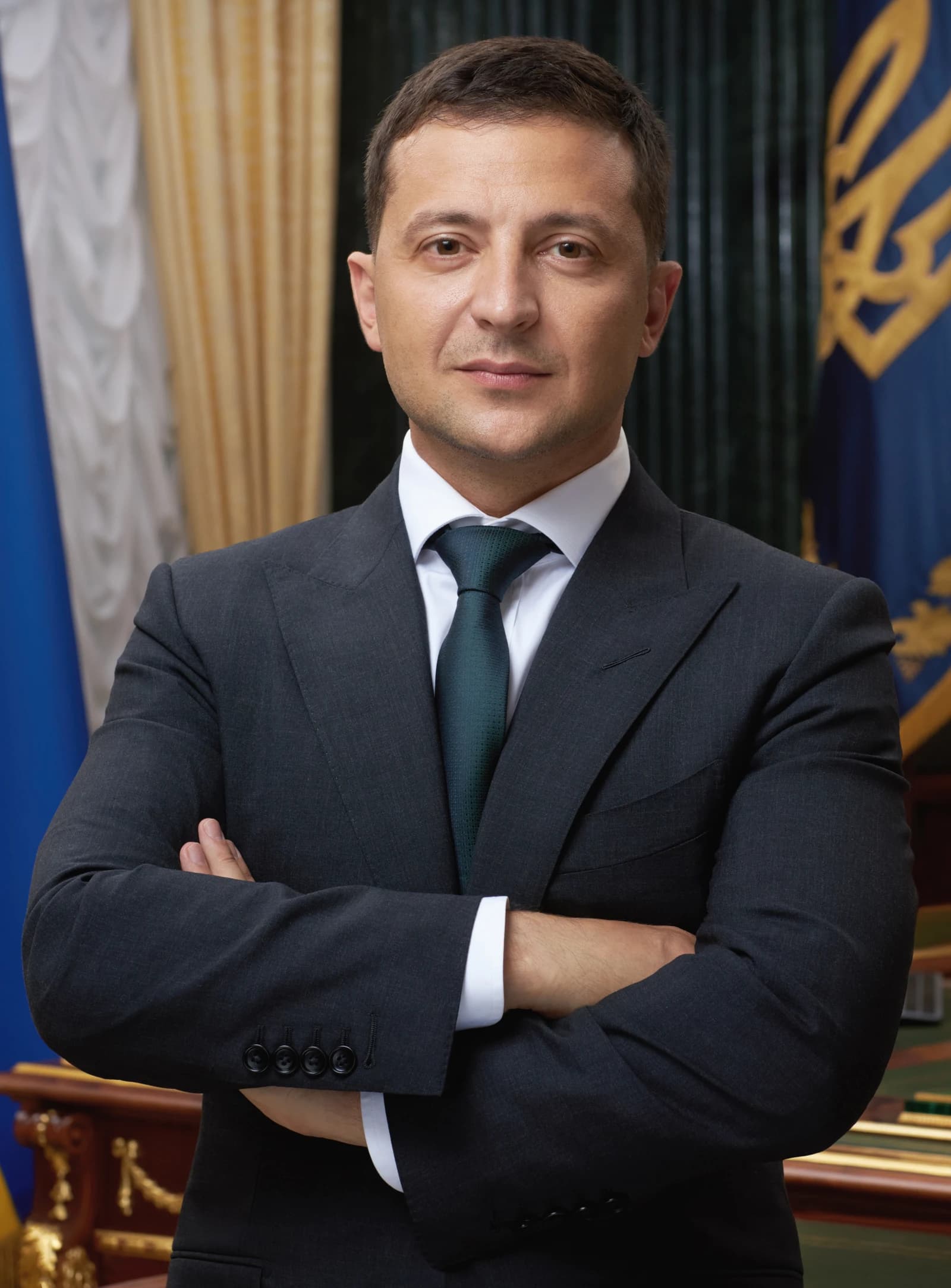
Volodymyr Zelensky’s replacement of Ukraine’s prime minister is more than a political reset — it is a signal that Kyiv is preparing to run the war economy with tighter discipline, deeper foreign backing and a more aggressive push to sustain military and budget support.
That matters because Ukraine’s survival is now inseparable from its ability to finance itself. With the country still at war, the real risk is not just on the battlefield but in the flow of Western money, weapons and policy coordination that keeps the state functioning. A government reshuffle in the middle of that fight is a bet that a new team can improve execution at a moment when every delay in aid, procurement or reform raises the economic cost of the conflict.

The market’s takeaway is straightforward: political continuity is no longer the main issue for Ukraine. Credibility is. Investors, donors and counterparties will judge the reshuffle on whether it strengthens Kyiv’s ability to secure financing, manage reconstruction, and keep relations with the U.S. and Europe aligned as the war drags on. The more coherent the cabinet looks, the more likely Ukraine is to preserve access to support that remains the country’s most important economic lifeline.
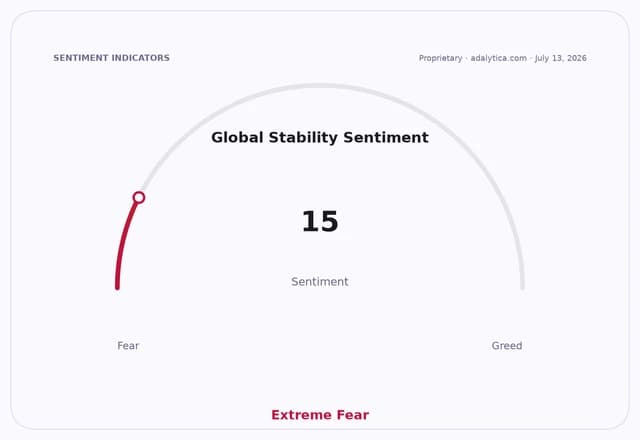
That urgency is underscored by the backdrop in markets. Adalytica’s Global Stability Sentiment gauge has plunged into “Extreme Fear,” while awareness of geopolitical risk remains elevated, reflecting how quickly investor nerves can swing when conflict widens or political signals shift. In that kind of environment, any sign that Kyiv is trying to sharpen wartime governance can stabilize expectations around sovereign funding, defense logistics and reconstruction planning.
There is also a capital-markets angle. The iShares MSCI United Kingdom ETF, EWU, has held above its 50-day and 200-day moving averages, showing that investors continue to favor developed-market safety and more defensive exposures as geopolitical volatility persists. That doesn’t directly price Ukraine, but it does show the broader market posture: capital is still rewarding resilience, not frontier-risk uncertainty. For Ukraine, that means every cabinet change must be judged through the lens of donor confidence and financing access, not domestic optics.
The bigger narrative is that Zelensky is trying to centralize wartime decision-making while the conflict remains fluid. Recent Ukrainian raids into Russian territory show Kyiv is not shifting toward de-escalation; it is trying to increase pressure while reorganizing the state behind that strategy. A tougher, more coordinated government could help Ukraine negotiate more effectively with allies, accelerate military support and keep reconstruction priorities from being crowded out by the day-to-day demands of war.
For investors, the key is to look past the headline politics and focus on the second-order beneficiaries of sustained Western backing: defense suppliers, logistics providers, energy infrastructure names, and contractors tied to eventual reconstruction. The reshuffle is not a tradeable event on its own. But it is a reminder that the war economy is still being redesigned in real time — and that the next leg of opportunity will likely accrue to the companies positioned for aid flows, rearmament and rebuilding.
| Entity | Gains | Losses |
|---|---|---|
| Zelensky government | ▲More control over wartime policy | ▼Short-term political friction |
| Western donors | ▲Clearer counterpart for aid | ▼More pressure to deliver |
| Defense suppliers | ▲Sustained procurement demand | ▼None meaningful |
| Russia | ▲No gain | ▼Higher military and diplomatic pressure |