Ukraine Central Bank Warns on Hryvnia Dollar Demand

Ukraine’s central bank is warning that a looser currency regime could stoke fresh demand for dollars and euros, a sign that even small changes in foreign-exchange policy can quickly feed into inflation, reserve management and capital flows in a war-battered economy.
That matters because the National Bank of Ukraine is still trying to balance a fragile domestic currency against the need to preserve financial stability, keep import payments flowing and avoid another inflationary surge. If households and companies conclude that easing will allow the hryvnia to weaken, dollarization can accelerate fast — especially in an economy where demand for hard currency is already shaped by war risk, aid inflows and uneven export earnings.
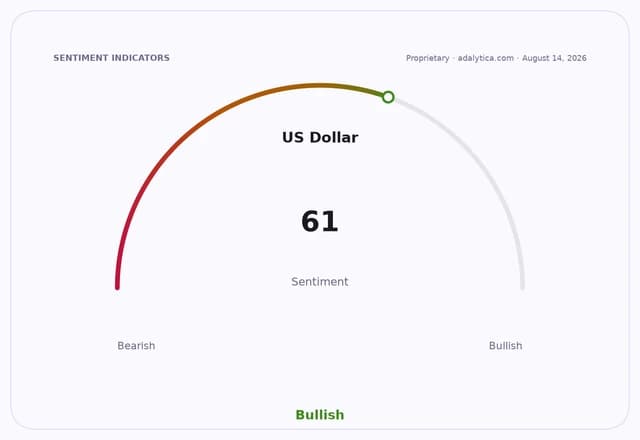
The market implication is straightforward: a softer or more flexible hryvnia tends to lift demand for the dollar and the euro, not just from importers but from savers trying to protect purchasing power. That can force the NBU to lean more heavily on reserves, tighten controls or intervene more aggressively to smooth volatility. For investors, those are the pressure points that matter most: reserve adequacy, policy credibility and the pace of inflation pass-through.
The broader backdrop also points to a stronger greenback conversation globally. The U.S. dollar has remained well supported, with the UUP dollar ETF slipping only modestly after a strong run and still trading above its 200-day moving average, while euro-dollar has stabilized near 1.16 after earlier swings. Those moves show that foreign-exchange markets are not pricing a disorderly break, but they do leave little room for policy missteps in smaller, more vulnerable currencies.
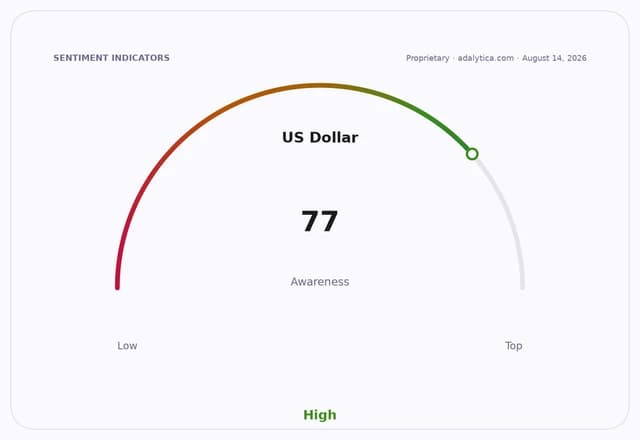
For Ukraine, the story is less about one rate move than about the cumulative effect of easing on behavior. Once residents and businesses expect more volatility, they typically move into dollars and euros faster, deepening pressure on the local currency and complicating the central bank’s next step. That makes the NBU’s communication almost as important as the policy itself.
The investable takeaway is that currency stabilization remains a macro trade, not just a domestic policy issue. Any sign the NBU can keep expectations anchored should favor Ukrainian financial assets and reduce stress on importers; any loss of control would amplify demand for hard currency and punish local risk.
| Entity | Gains | Losses |
|---|---|---|
| Dollar and euro buyers | ▲Preserve purchasing power | ▼Higher FX costs |
| NBU / policymakers | ▲If easing is credible | ▼If dollarization accelerates |
| Importers in Ukraine | ▲Better access to hard currency | ▼Weaker hryvnia risk |
| Hryvnia savers / local assets | ▲Stability if policy holds | ▼Inflation and devaluation pressure |