Ukraine central bank warns logistics damage lifts inflation
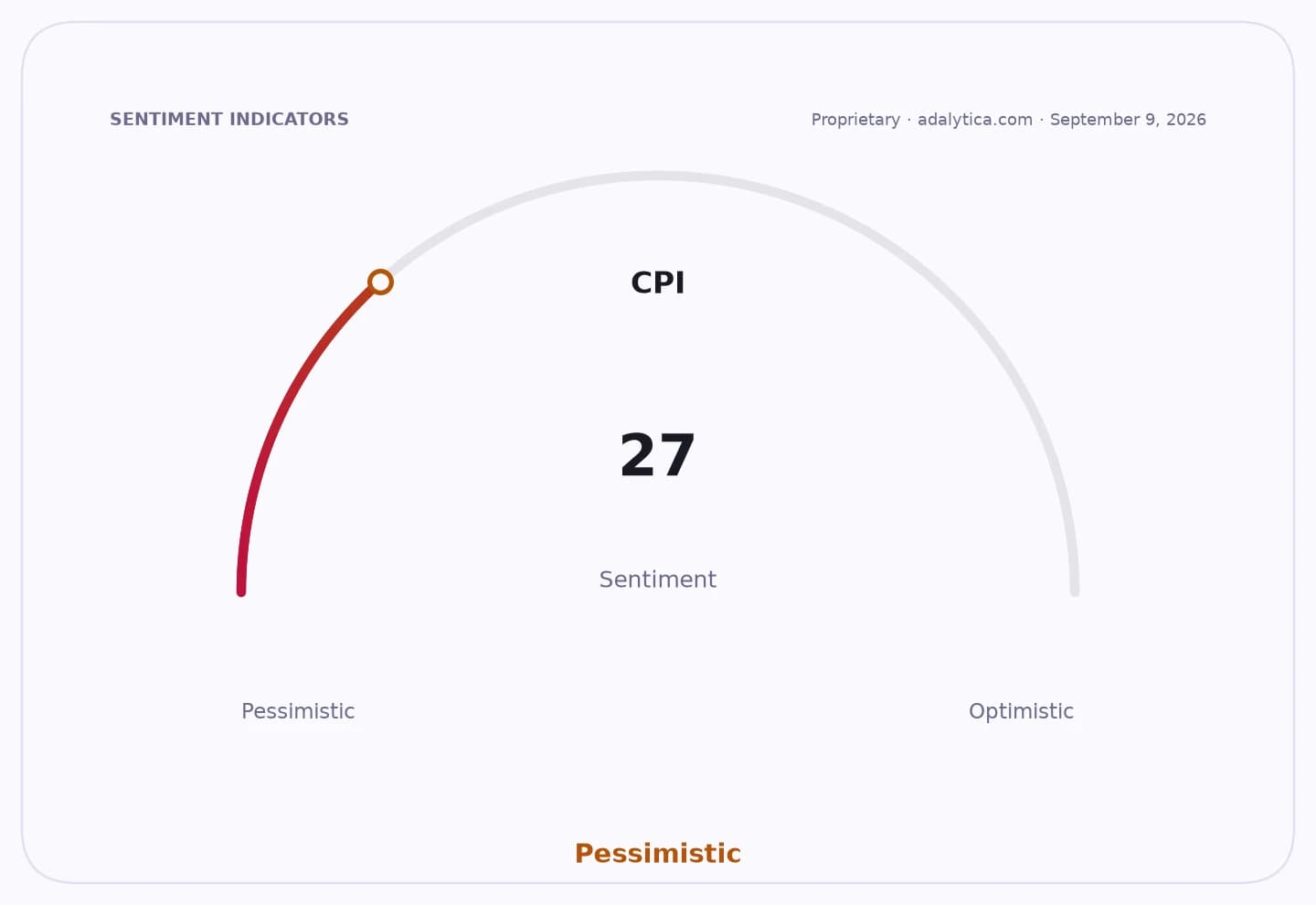
Ukraine’s central bank is warning that new damage to warehouses, distribution hubs and transport links could lift consumer prices more than it had projected, with most of the impact likely to show up in the autumn.
The National Bank of Ukraine said disruptions to logistics could add about 0.4-0.6 percentage point to annual inflation by the end of 2026, a meaningful upgrade to its inflation risk map at a time when price growth is already running hotter than planned. Deputy governor Volodymyr Lepushynskyi said the effect would be stretched over time rather than trigger a sudden jump, but acknowledged that rebuilding delivery routes and absorbing higher transport costs will still feed into the price of goods.
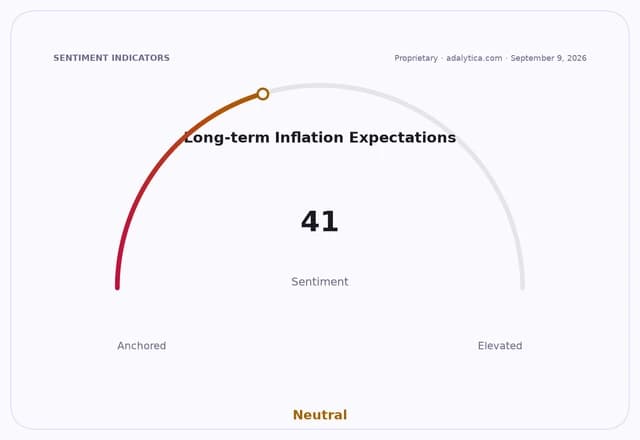
For the economy, the warning matters because it points to a fresh supply-side shock in a country where inflation is being shaped as much by war damage as by demand. Consumer prices rose 7.7% year on year in July, up from 7.2% in June, and the NBU said its preliminary August estimates also showed continuing price pressure. The central bank already marked up its 2026 inflation forecast to 10% from 9.4% in its July update, while the 2027 projection was lifted to 6.9% from 6.5%.
The new logistics risk suggests that even those higher forecasts may still prove conservative if attacks intensify. Unlike a broad demand-led inflation shock, the current pressure is coming from a narrower but persistent source: damaged supply chains that force companies to reroute shipments, raise delivery costs and in some cases pass only part of the burden to shoppers because of competition. That means inflation could stay elevated without necessarily becoming disorderly, complicating the NBU’s balancing act between price stability and support for a war economy.
For investors, the implication is that Ukraine assets remain exposed to a slower disinflation path and a potentially tighter policy stance than previously expected. Higher inflation tends to erode household purchasing power, squeeze real wages and complicate corporate margins, especially for retailers, consumer goods makers and logistics-intensive businesses. It also raises the odds that the central bank keeps policy restrictive for longer, which can weigh on credit demand and valuation multiples even if the official forecast still points to only a gradual rise in prices.
The broader narrative is that Russia’s attacks on civilian and logistical infrastructure are increasingly translating into macroeconomic costs, not just physical ones. For now, the NBU is not signaling panic, and the central message is that price increases should remain gradual. But with the biggest effect expected in autumn, the next few months will show whether Ukraine’s inflation profile is moving from a manageable rise into something more persistent.
| Entity | Gains | Losses |
|---|---|---|
| Ukraine importers/consumers | ▲None | ▼Higher goods prices |
| Logistics firms with rerouting capacity | ▲Higher demand for services | ▼Higher operating costs |
| Retailers and consumer brands | ▲Partial price pass-through | ▼Margin pressure |
| NBU / policymakers | ▲Better inflation warning signals | ▼Harder policy trade-off |