The strategist who helped turn Ukraine’s drone campaign into one of the war’s most potent asymmetric weapons is now at the center of a bigger market story: the conflict has validated low-cost unmanned systems as a permanent feature of modern warfare, and investors are still underpricing the winners in counter-drone defense, autonomous systems and battlefield electronics.
Ukraine Drone War Boosts Defense Suppliers
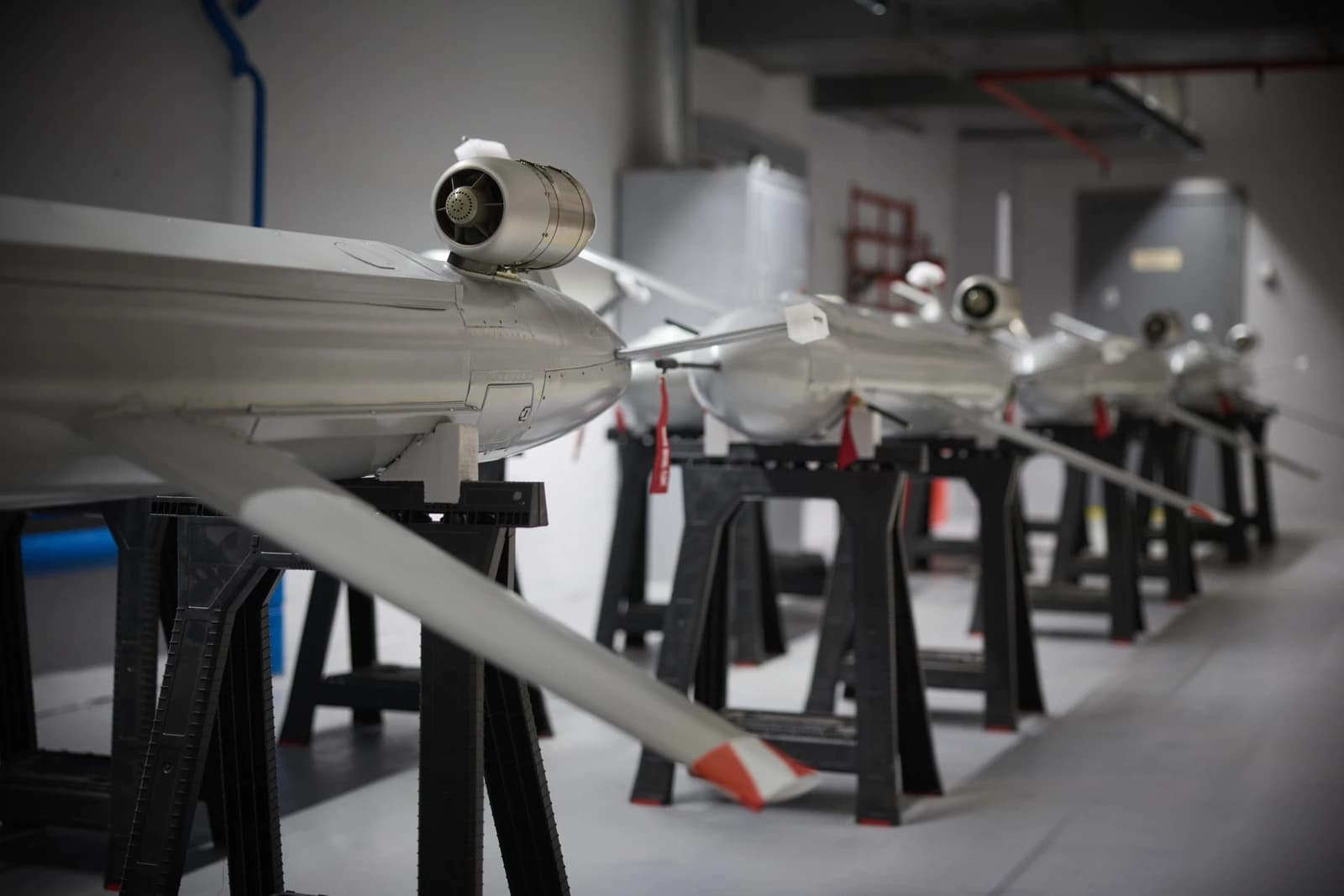
That matters because drone warfare is no longer a niche battlefield tactic. It is a structural change in how militaries spend, train and procure. Cheap FPV drones, loitering munitions and coordinated strikes force far more expensive responses from air-defense networks, electronic warfare suites and command-and-control systems. In other words, every dollar Ukraine and its adversaries have forced into this fight is a signal of future demand for the industrial companies that can detect, jam, intercept and integrate these threats at scale.
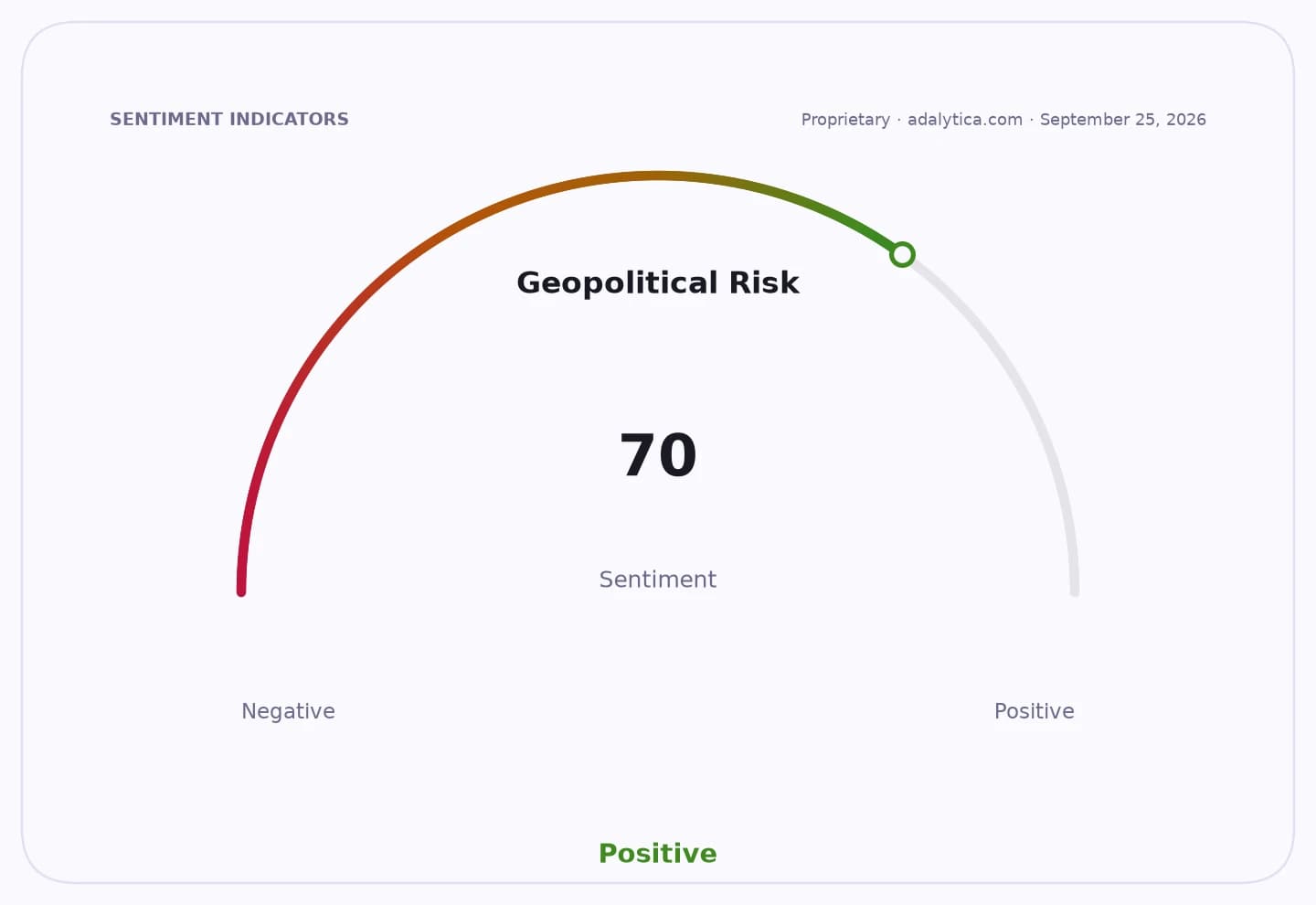
Sentiment IndicatorsⓘProprietary · adalytica.com · July 18, 2026
This is a snapshot — live sentiment, awareness and momentum for 130+ markets update continuously in the dashboard.Open AlphaPulse

The market is already hinting at the opportunity, but not yet fully pricing it. Defense names tied to sensors, missile defense and autonomous systems should keep benefiting as Europe, NATO allies and Middle East states harden critical infrastructure after repeated drone and missile attacks. The recent rise in regional drone incidents, including Kuwait’s repelled attacks, reinforces what Ukraine proved first: air defenses must now be designed for persistent, low-cost saturation threats, not just traditional aircraft or missiles.
That creates a powerful second-order trade. It is not just the drone makers that matter. The bigger and more durable upside may sit with the pick-and-shovel suppliers that provide radar, thermal imaging, electronic warfare, secure communications, battle management software and interceptor systems. That is why investors should watch large-cap defense contractors such as Northrop Grumman, RTX and Lockheed Martin, whose filings already point to elevated global security demand and modernization spending. These businesses sit on the toll roads of the new battlefield.
Technically, the setup also argues that the broader market is not in a euphoric risk-on regime, which helps defense stocks stand out as a relative winner. Adalytica’s S&P 500 trade signals show neutral sentiment, while the dollar remains soft on the same framework, a combination that tends to support selective exposure to geopolitically driven spending themes rather than broad cyclicals. For investors, that means defense is not just a hedge — it is an earnings-growth story with a long runway.
The bigger narrative is that Ukraine’s drone war has accelerated a global procurement cycle. Militaries are moving from experimentation to acquisition, from pilots to programs, from improvisation to industrial scale. If Fedorov’s legacy is the proof that drones can reshape war, the investable implication is even more important: the next leg of defense outperformance likely belongs to the companies selling the infrastructure around drones, not just the drones themselves. For investors looking for asymmetric exposure, this is still an early-positioning opportunity.
| Entity | Gains | Losses |
|---|---|---|
| Defense primes | ▲Higher orders | ▼Budget pressure |
| Counter-drone suppliers | ▲Procurement boom | ▼Complacency |
| Drone makers | ▲Battlefield validation | ▼Better defenses |
| Conventional armor systems | ▲— | ▼Tactical relevance |