Ukraine elections during war raise legitimacy risks
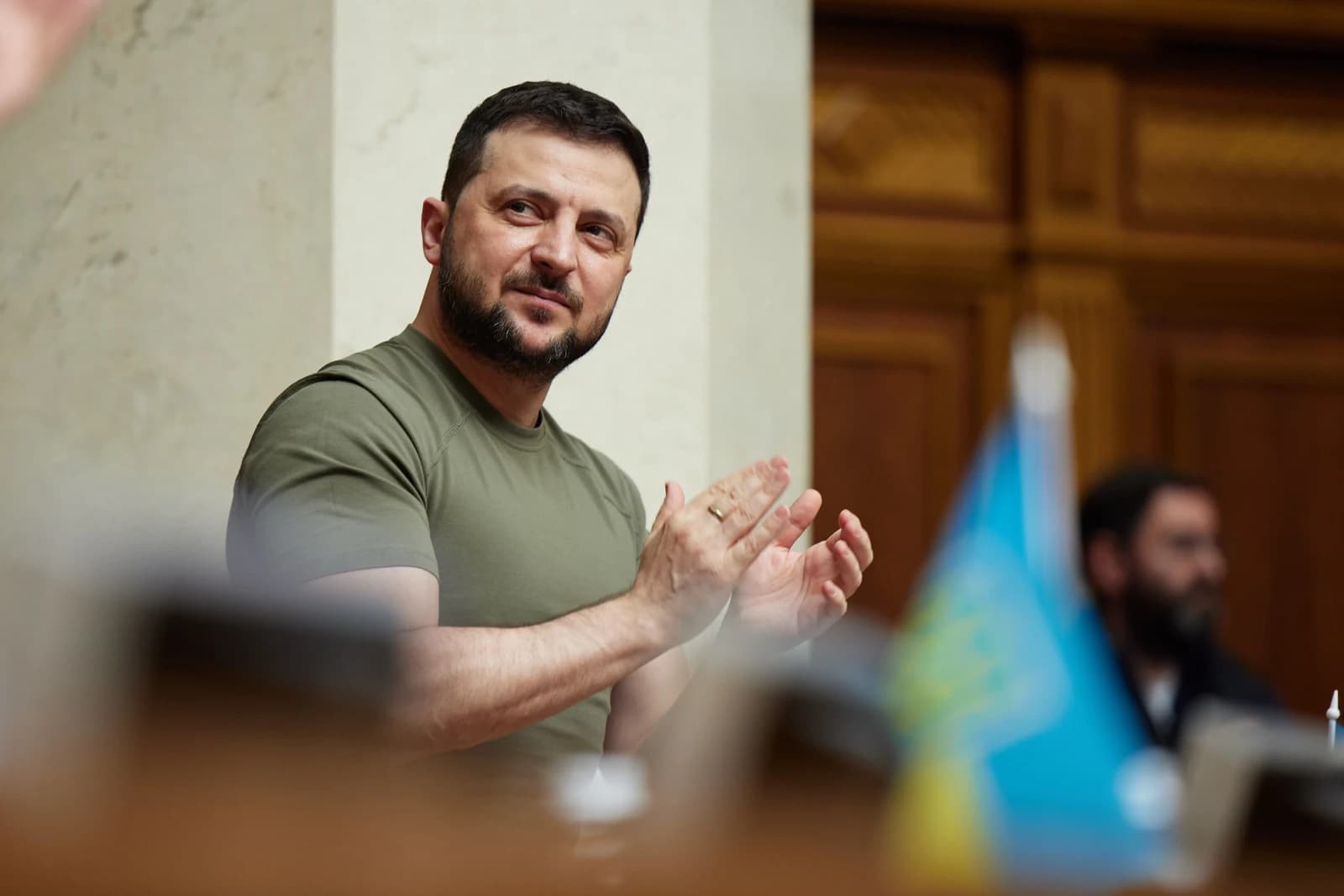
Ukraine’s political future is colliding with the reality of war, and President Volodymyr Zelenskyy’s warning that elections held during the conflict could “destroy the country” underscores how hard it will be to preserve stability without first ending the fighting.
That matters because elections are supposed to settle legitimacy, not deepen division. In a country under missile attack, with major cities facing repeated strikes and Russia and Ukraine still trading blows, the risks go far beyond logistics. A vote held without a ceasefire could weaken turnout, complicate security, and give Moscow fresh room to question the outcome.
The broader economic stakes are just as serious. Prolonged war keeps pressure on Ukraine’s labor force, infrastructure and budget, while also delaying the kind of policy certainty investors and lenders need before committing large sums to reconstruction. For a country that will eventually need billions of dollars in financing, the difference between a durable political mandate and a contested one is enormous.
There is also a market angle, even if it is indirect. Ukraine-linked assets and the companies tied to the country’s recovery depend on the idea that institutions can survive the war and function afterward. The more the conflict spills into politics, the harder it becomes to price any near-term normalization. Sentiment around global stability, tracked by Adalytica’s Global Stability Sentiment gauge, has improved sharply over the past day but remains neutral overall, a reminder that investors are still treating geopolitical risk as elevated rather than resolved.
For long-term investors, the lesson is not to trade headlines but to understand the framework. If Ukraine moves toward elections only after security improves, it could strengthen the case for reconstruction, aid flows and eventual private investment. If it tries to force a national vote while the war is still raging, the result could be exactly what Zelenskyy warns: institutional strain at the very moment the country can least afford it.
That makes this less a political sound bite than a reminder that in wartime, legitimacy, capital and security are tightly linked. Investors should keep Ukraine-related names on the watchlist, but patience and diversification still matter more than trying to forecast every turn in the conflict.
| Entity | Gains | Losses |
|---|---|---|
| Ukrainian institutions | ▲Credibility from delayed vote | ▼Legitimacy risk from wartime election |
| Russia | ▲Political propaganda if chaos rises | ▼Momentum if Ukraine stays unified |
| Reconstruction investors | ▲Better entry after stability | ▼Near-term uncertainty and delay |
| Ukrainian citizens | ▲Safer process if war eases first | ▼Security risk from rushed elections |