Ukraine energy risk lifts oil and defense trades
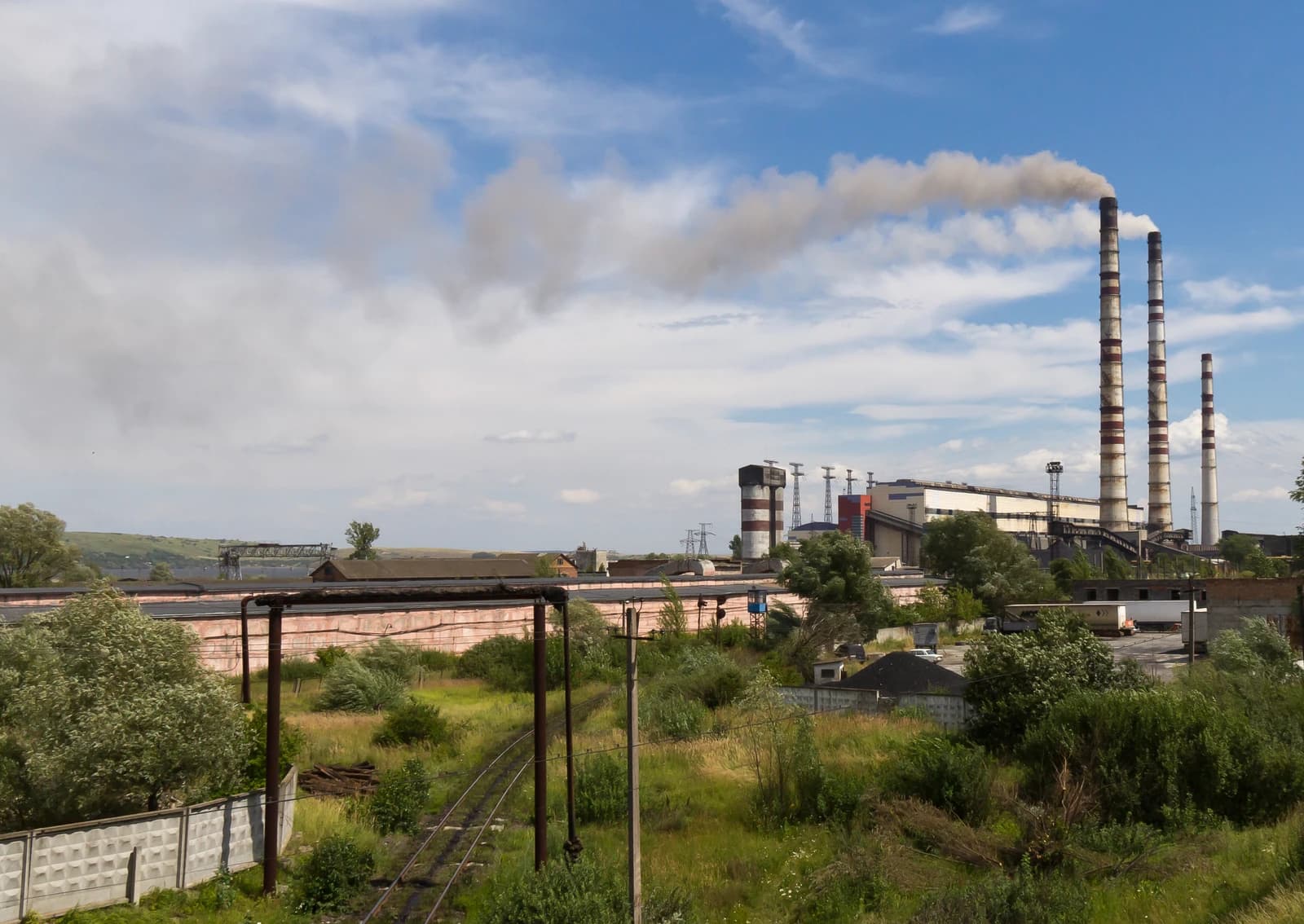
Russia’s threat of massive strikes on Ukraine’s energy infrastructure raises the odds of another winter supply shock, and markets are already leaning into the trade that usually follows: higher crude, firmer fuel and power risk premia, and fresh demand for defense and grid-resilience assets.
That matters economically because Ukraine’s energy system is not just a battlefield target — it is a critical node for civilian heating, industry and regional stability. The immediate risk is more outages, higher emergency spending and deeper disruption to production and logistics in Ukraine. The broader risk is that any sustained assault forces Europe to pay up for security, backup generation and alternative energy flows just as the continent is still trying to normalize after the shocks of the past few years.
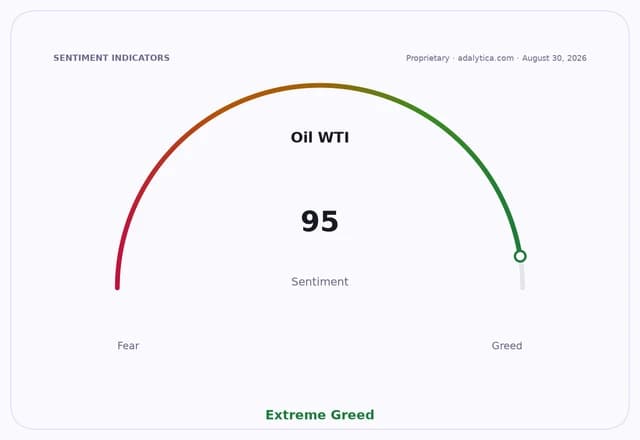
The price action says investors are not dismissing the threat. WTI oil has been hovering around the low-$80s a barrel, with the latest forecast at $83.845 for Aug. 26, while the Adalytica oil trade signal is flashing extreme greed, a sign that traders are still leaning bullish on disruption risk. The Energy Select Sector SPDR Fund has pushed to $62.68, near its upper Bollinger Band, with a 50-day moving average well below the latest price — a technical backdrop that suggests momentum is already established. Even the U.S. dollar is catching a bid, with the UUP ETF edging higher to 28.18, as geopolitics and sticky growth-risk premiums keep safe-haven demand alive.
For investors, the real point is that wars over infrastructure create second-order winners. Big integrated producers, energy infrastructure operators, LNG exporters, defense contractors and grid-equipment suppliers tend to benefit when governments and utilities are forced into redundancy spending. That is why the market often rewards the picks-and-shovels of energy security faster than the frontline commodity itself. If Russia follows through, the opportunity is not only in oil but in every company tied to resilience: power transmission, backup generation, storage, turbines, cybersecurity and military supply chains.
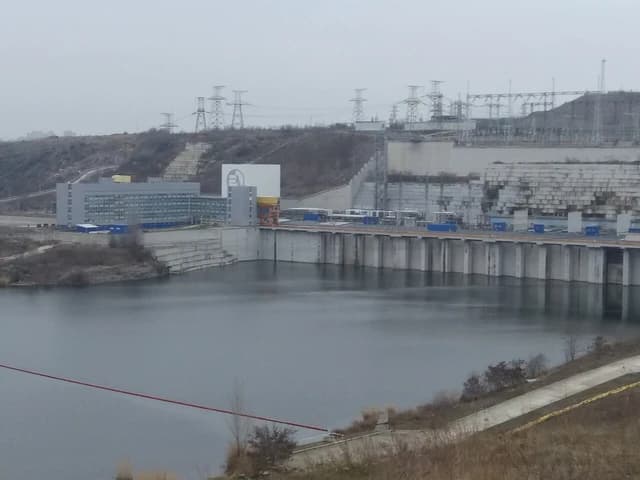
Ukraine’s drive to integrate more deeply into the EU energy market also gives the story a longer arc. Over time, that means more cross-border power flows, more investment in interconnectors and more pressure on Europe to harden its grid against physical attacks and supply interruptions. In other words, the headline risk is geopolitical, but the investable theme is secular: energy security is becoming an industrial policy, and capital is likely to keep migrating toward companies that make the system harder to break.
The market is underestimating how persistent this capex cycle can be. Every escalation in Ukraine reinforces the same thesis: resilience is no longer optional, and the companies that enable it should command a growing premium. For investors, the high-conviction move is to stay positioned in energy, defense and infrastructure names that profit when the world gets more dangerous, not less.
| Entity | Gains | Losses |
|---|---|---|
| Oil producers | ▲Higher risk premium | ▼Demand destruction if shock persists |
| Energy infrastructure firms | ▲Grid hardening capex | ▼Attack-related repair costs |
| Defense contractors | ▲More military spending | ▼Delayed peace dividend |
| Ukraine and EU consumers | ▲Diversified supply over time | ▼Outages and higher energy bills |