Russia’s plan to hold an informal UN Security Council meeting on Ukraine on July 17 comes as markets are already pricing a sharper geopolitical premium into energy and haven assets, underscoring how the war keeps feeding through to commodities, inflation expectations and emerging-market risk appetite.
Ukraine escalation lifts oil risk premium
The immediate economic significance is not the meeting itself, but the signal it sends: Moscow is using the UN platform to press its case as the conflict intensifies on the ground and the spillovers to global markets widen. The war has increasingly shifted into an infrastructure and energy campaign, with Ukrainian drone strikes reported against Russian refineries and Russian authorities broadening the security framing of the conflict. That matters because attacks on refining capacity can tighten product markets even when crude flows remain relatively resilient, lifting diesel and gasoline prices and complicating central banks’ disinflation path.
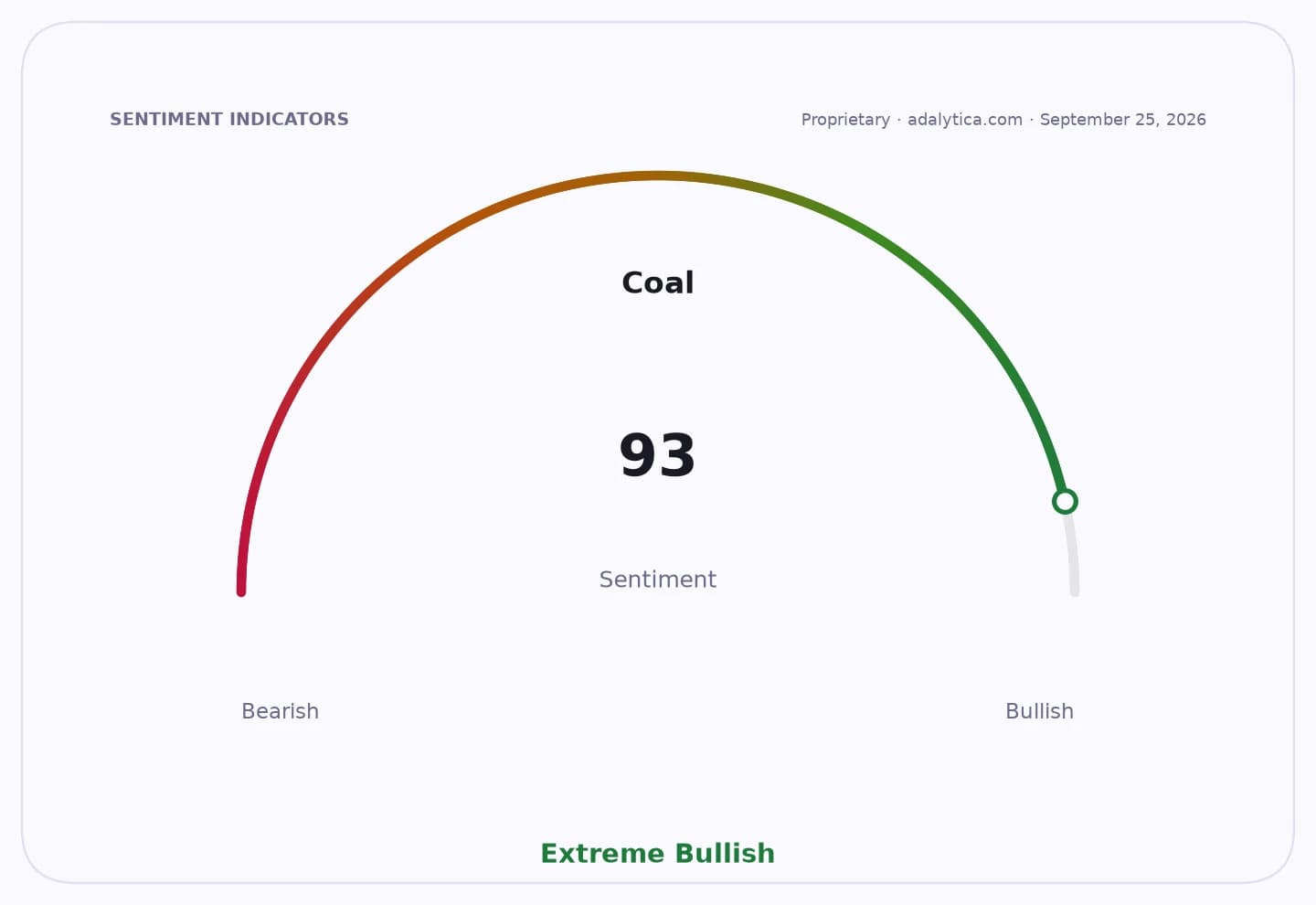
Sentiment IndicatorsⓘProprietary · adalytica.com · July 16, 2026
This is a snapshot — live sentiment, awareness and momentum for 130+ markets update continuously in the dashboard.Open AlphaPulse
Oil has already reacted as the market weighs the risk of further disruptions. USO, a proxy for U.S. crude exposure, closed at 119.25 on July 16, well above its 50-day moving average of 126.25 but still far below the spike seen earlier in the year, while technical momentum has improved from deeply oversold levels in late June. The move suggests traders are still willing to add geopolitical risk premium, but not yet pricing a full supply shock. Adalytica’s oil trade signals show fear at 23, with awareness neutral, indicating concern has risen without becoming a broad panic trade.
Gold is telling a similar story. GLD fell to 365.15 on July 16, below its 50-day average of 397.09 and under its 200-day average of 411.34, even as Adalytica’s gold gauge shows “Extreme Greed” sentiment. That divergence suggests investors are crowded into the haven trade in sentiment terms, but the price action has not fully confirmed another leg higher. In other words, gold is supported by geopolitical anxiety, yet not exploding because real rates, positioning and a still-functioning risk market are limiting the bid.
Emerging markets are the clearest loser when geopolitical risk spikes. EEM dropped to 64.07 on July 16, below both its 50-day and 200-day moving averages, after a short-lived rebound. That reflects the usual transmission channel from war headlines to broader risk assets: higher energy prices, stronger dollar demand, weaker appetite for cyclicals and pressure on countries that import fuel. Russia itself gains a diplomatic stage, but that does little to offset the market cost of a prolonged conflict that keeps Europe exposed and global supply chains vulnerable.
The broader narrative is that the Ukraine war has become less of a regional military standoff than a recurring macro shock. A UN meeting does not change the battlefield, but it can reinforce expectations that sanctions, energy disruption and retaliatory strikes will remain part of the investment landscape. For investors, the key question is whether the latest escalation remains a contained risk premium or develops into a more durable bid for oil and gold, with the biggest downside likely in importers, EM equities and rate-sensitive assets.
| Entity | Gains | Losses |
|---|---|---|
| Russia | ▲Diplomatic platform | ▼Broader isolation |
| Oil producers | ▲Higher risk premium | ▼Demand destruction risk |
| Gold holders | ▲Safe-haven demand | ▼Crowded positioning |
| Emerging markets | ▲None | ▼Higher energy costs |