Ukraine Prosecutor Kropyva Family Wealth Scrutiny
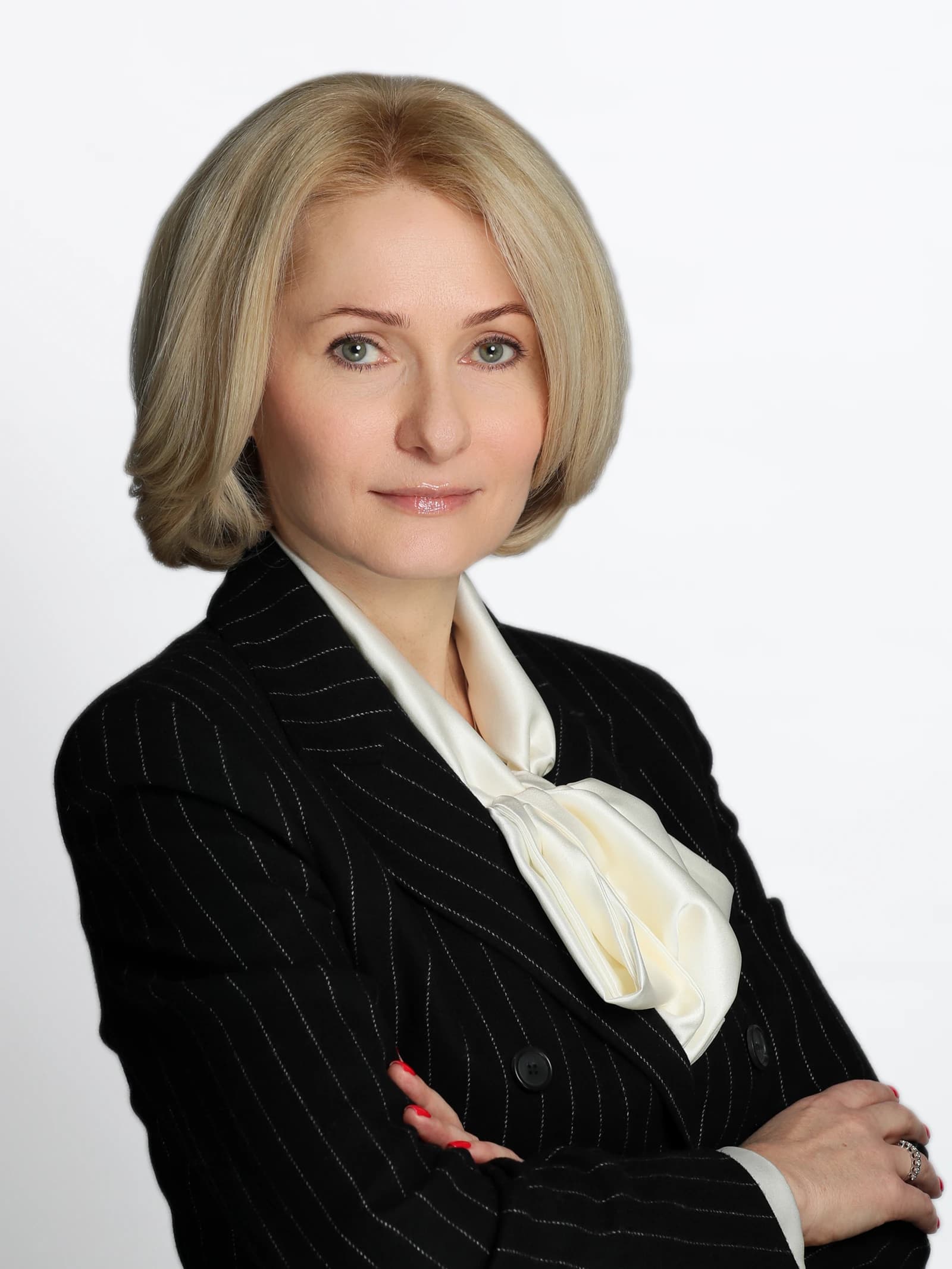
Relatives and close associates of a senior Ukrainian prosecutor have accumulated more than $1 million in apartments, houses and vehicles since 2020, intensifying scrutiny of an anti-corruption case already focused on alleged protection of fraudulent call centres and money laundering.
The holdings tied to Serhii Kropyva, deputy head of the Office of the Prosecutor General’s international cooperation department, matter because they sit at the intersection of graft enforcement, asset tracing and public trust. In a country still trying to tighten anti-corruption institutions during wartime, the question is no longer just whether a prosecutor was linked to a criminal network, but whether the wealth surrounding his family can be reconciled with official income and disclosure rules.
According to hromadske, the purchases accelerated after Kropyva served as first deputy head of the cyber police department. His mother bought a flat in Kyiv’s Comfort Town, then a house and land plot outside the capital, along with a 2022 Toyota RAV4 and another apartment in Faina Town. His father extended a 3.7 million hryvnia loan in 2020, taking a house in Odesa as collateral, and also acquired a unit in UNIT.Home and a large building in Boyarka.
The prosecutor’s wife bought a 2023 Mercedes-Benz GLE-Class worth more than $130,000, while journalists said her parents may still hold Russian citizenship and purchased Ukrainian property as Russian nationals. Hromadske estimated the total value of property bought in Ukraine by the wife’s parents at more than $200,000.
The reporting lands as the National Anti-Corruption Bureau and the Specialized Anti-Corruption Prosecutor’s Office pursue the so-called Carthage case, which alleges Kropyva may have helped shield a fraud network of call centres and launder assets. A court has already ordered pre-trial detention for a cohabitant and for his driver, underscoring the seriousness of the probe and the likelihood of further asset-focused investigations.
Economically, the case matters because Ukraine’s anti-graft credibility is itself an institutional asset. If senior prosecutors or their families are seen to be enriching themselves through opaque ownership structures, it weakens enforcement at exactly the moment Kyiv is trying to reassure lenders, partners and investors that rule-of-law reforms are real. For investors, especially in banking, real estate, telecoms and other sectors exposed to fraud and regulatory risk, the case is another reminder that compliance, beneficial ownership transparency and enforcement quality remain central pricing variables in Ukraine.
The bullish case for reform is that public exposure by journalists, NABU and SAPO suggests institutions are still willing to investigate politically sensitive figures. The bearish case is that the alleged asset accumulation — including Russian-linked family property and luxury vehicles — will deepen cynicism unless prosecutors move quickly and visibly with asset recovery, confiscation and criminal charges.
What happens next will hinge on whether investigators can tie the purchases to declared income and whether Ukraine’s courts and anti-corruption bodies can sustain the case beyond the headline allegations. If they do, the episode could strengthen the case for tougher asset-seizure rules; if they do not, it will reinforce the view that illicit wealth can still hide in plain sight.
| Entity | Gains | Losses |
|---|---|---|
| NABU and SAPO | ▲Institutional credibility | ▼Political pressure |
| Ukrainian anti-corruption reform | ▲Public support | ▼Trust if enforcement stalls |
| Kropyva family | ▲Asset accumulation | ▼Legal and reputational risk |
| Investors and lenders | ▲Clarity if case advances | ▼Confidence if case is diluted |