Ukraine Presses NATO for Security Commitments
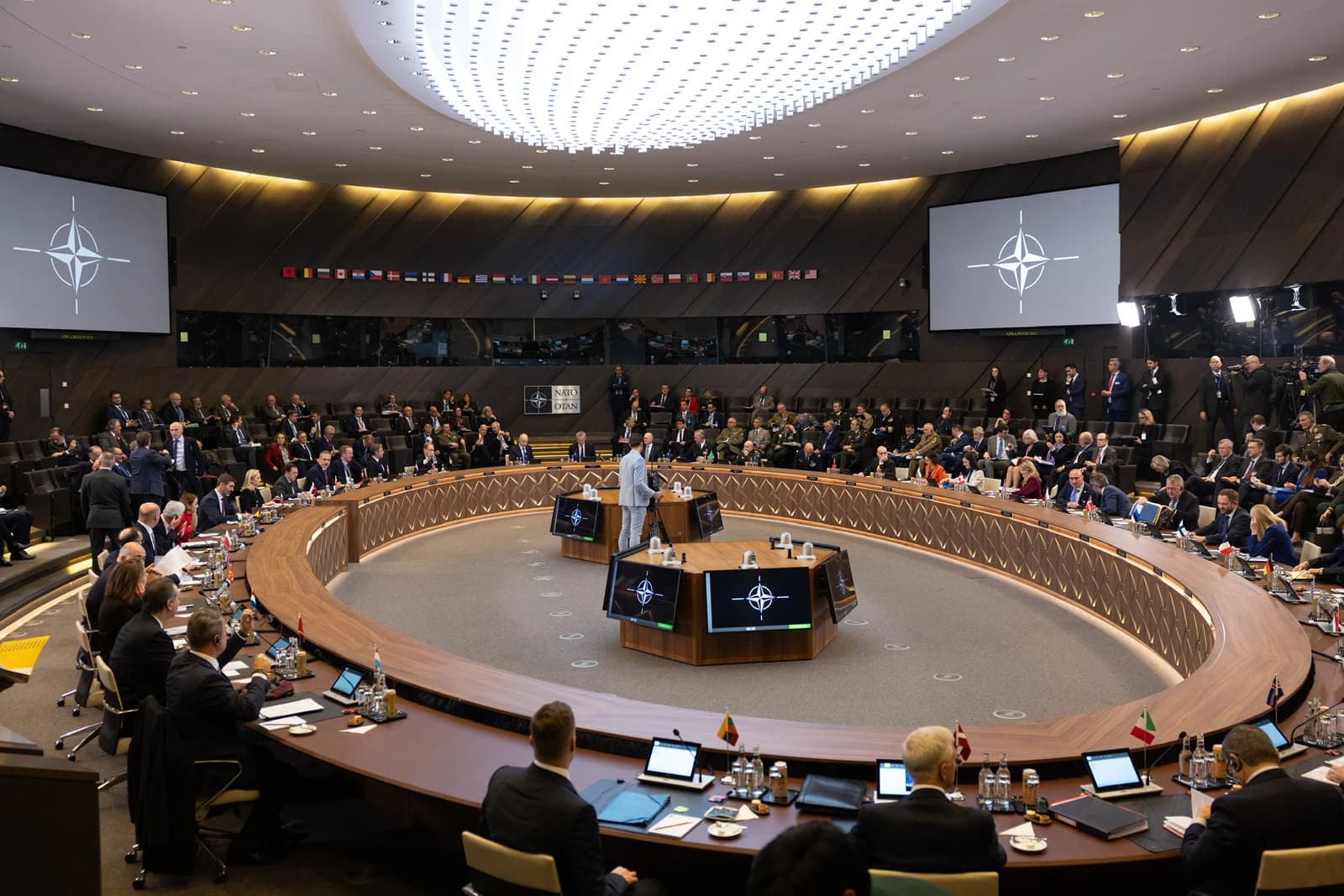
Ukraine has moved to press its allies for a clearer security and military commitment even as the war with Russia intensifies, underscoring how the battlefield and the diplomacy remain locked together.
The immediate economic significance is that the conflict is now shaping expectations for European security spending, energy risk and industrial supply chains far beyond the front lines. With Russia still striking Ukrainian infrastructure and Ukraine responding with its own attacks on occupied territory and Russian-linked assets, any NATO discussion on Kyiv’s demands feeds directly into markets that price defense production, regional risk premia and the durability of sanctions.
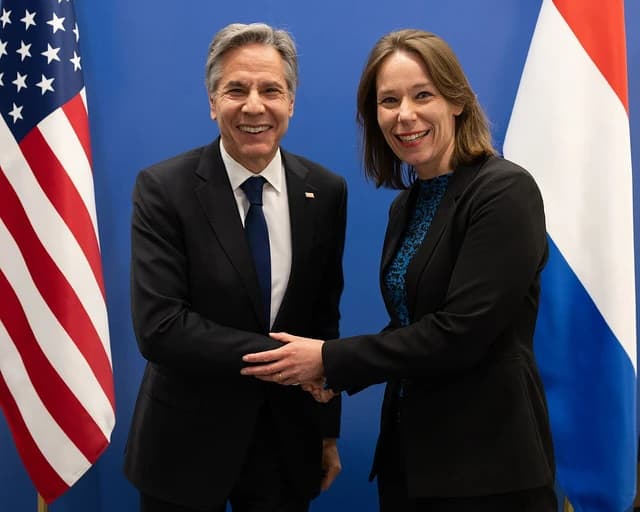
Kyiv’s latest push to NATO comes against a backdrop of renewed pressure on Ukraine’s war economy. Russian attacks on key infrastructure, including port facilities and industrial assets such as the Zaporizhstal steel plant, threaten export capacity, domestic revenue and the country’s ability to sustain military production. That matters because Ukraine’s fiscal and external accounts remain heavily dependent on outside support, and any further damage to ports, power grids or heavy industry raises the cost of keeping the economy functioning through the winter.
The diplomatic angle is just as important. Ukraine’s reported proposals to the United States on ending the war suggest Kyiv is trying to keep a negotiation track open while still demanding stronger security guarantees. For investors, that means the near-term story is not peace versus war but a widening range of scenarios: a prolonged conflict with higher European defense outlays, or a fragile pause that still leaves sanctions, reconstruction needs and border insecurity in place.
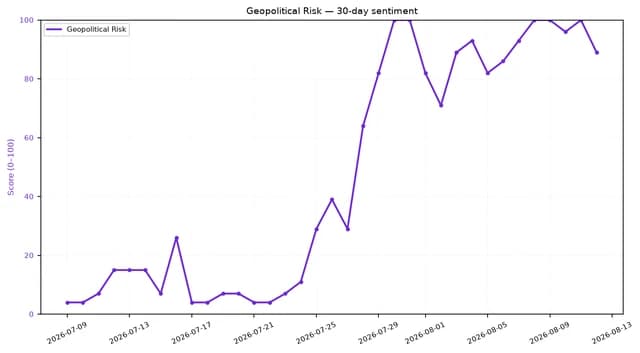
The market response has been comparatively restrained in currency trading, but the message from the tape is clearer when read alongside technicals. The Japanese yen ETF FXY remains below its 200-day moving average and just under its 50-day line, with momentum still mixed despite a recent bounce, while the euro ETF FXE is holding above both its 50-day and 200-day averages. The U.S. dollar ETF UUP is also trading near its 50-day moving average. Taken together, that points to a market that is not fully pricing a broader crisis breakout, even as geopolitical risk gauges from Adalytica show “Extreme Greed” in global stability awareness.
That disconnect matters. If the war escalates further or NATO unity hardens around additional support for Kyiv, the clearest beneficiaries are defense contractors, parts of the energy complex and exporters that gain from higher security spending. The losers are European manufacturers, transport links across the region and currencies or assets sensitive to a flight to safety. If diplomacy gains traction, some of those risk premiums could unwind, but the damage to Ukraine’s industrial base and Russia’s wartime economy would still leave reconstruction and rearmament as large multi-year themes.
For now, the core narrative is that the war is entering another phase in which military escalation and alliance politics are reinforcing each other. Ukraine’s demands before NATO are less a sign of imminent settlement than a bid to lock in support before the next round of battlefield and winter pressures.
| Entity | Gains | Losses |
|---|---|---|
| Ukraine | ▲More NATO support | ▼Diplomatic leverage if aid stalls |
| NATO allies | ▲Greater strategic clarity | ▼Higher defense and aid bills |
| Defense contractors | ▲Bigger procurement demand | ▼— |
| European industry | ▲— | ▼War-linked supply and energy risk |