Ukraine Strikes Raise Oil Geopolitical Risk
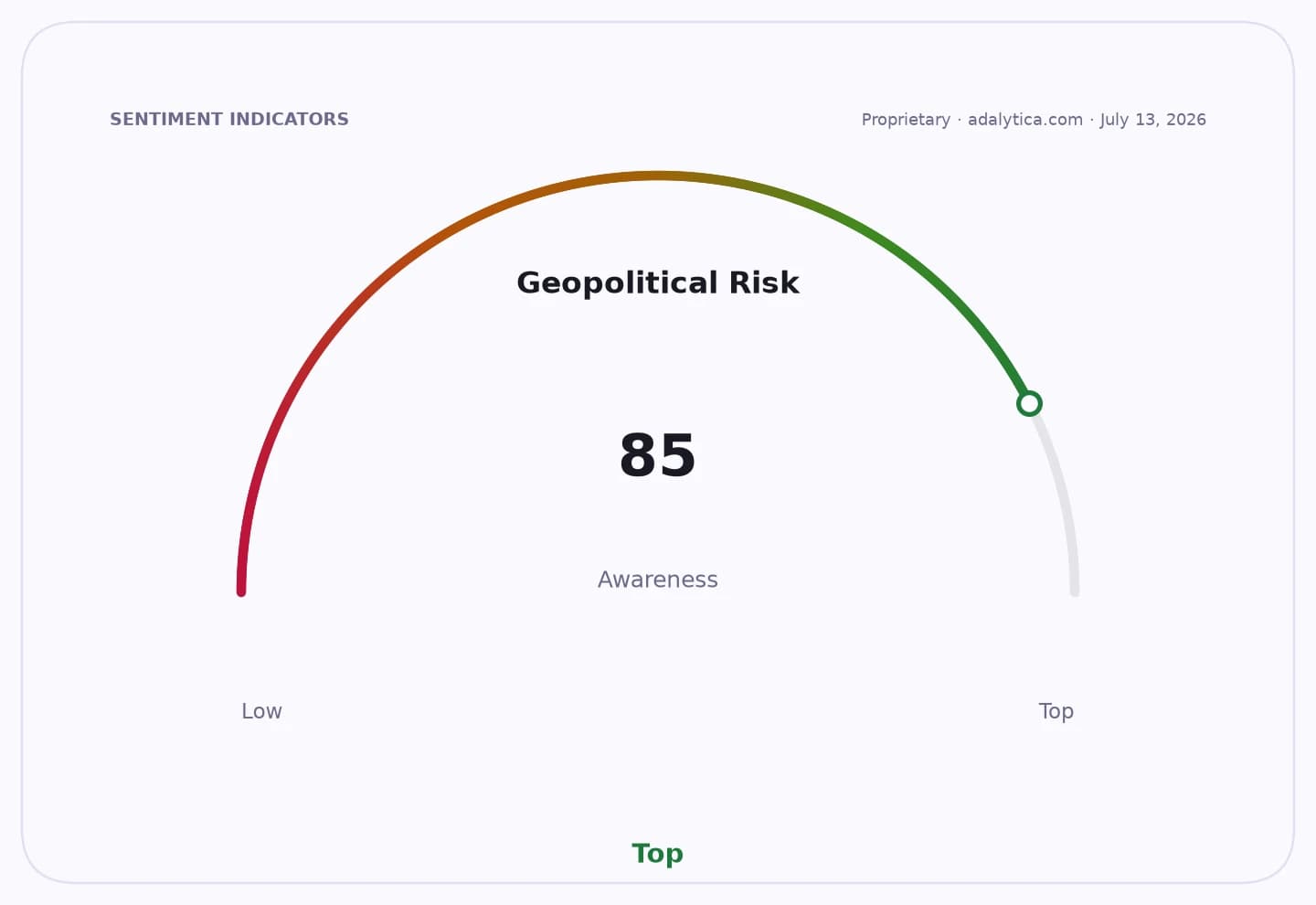
Ukraine’s campaign against Russian energy infrastructure is doing more than damaging Moscow’s fuel system — it is forcing investors to rethink how much geopolitical risk belongs in oil prices.
That matters because energy has become one of the most direct transmission channels from the war in Ukraine into the global economy. When strikes hit Russian refining and export assets, the immediate effect is not just a local shortage or a tactical battlefield gain. It ripples into crude benchmarks, refining margins, gasoline prices and the cost of capital for the entire energy sector. For long-term investors, the key question is whether this is a temporary spike in volatility or the start of a more durable rerating of Russian energy sovereignty.
The latest data show why the market is paying attention. WTI crude has been hovering around $109 a barrel after swinging as high as roughly $153 earlier this cycle, a reminder that oil remains highly sensitive to supply shocks and war headlines. The 10-year Treasury yield is sitting near 4.55%, while U.S. high-yield credit spreads have narrowed to about 2.7 percentage points, suggesting broader markets are not pricing a full-blown systemic crisis. But energy stocks and oil-linked instruments still reflect the tension between tightening supply and the market’s fading willingness to ignore geopolitical disruption.
That disconnect is the story. Ukraine’s attacks on Russian oil infrastructure are aimed at one of Moscow’s most important sources of hard currency and state power. If Russian refining capacity, exports or domestic fuel availability are constrained, the Kremlin faces a double hit: weaker energy revenue and more pressure at home from fuel shortages. That can alter wartime economics in a way sanctions alone have not fully achieved.
It also helps explain why allies are stepping in. Sweden’s additional €124.1 million for Ukraine’s energy industry is part of a wider European push to harden the grid, stabilize supply and reduce the leverage Russia gains from targeting power assets. Nearly €2 billion in recovery pledges at the Ukraine Recovery Conference underline that rebuilding energy systems is now a strategic investment, not just humanitarian aid. The goal is resilience: modern grid stabilization systems, tighter integration with the EU market and fewer single points of failure.
Investors should care because this is not just a story about oil prices moving on headlines. It affects the earnings power of the energy complex. U.S. energy ETFs such as XLE and upstream producers like XOP have benefited from the oil shock, though recent trading has shown the usual cooling after a big run. XLE remains well above its longer-term trend, and technical readings have normalized from earlier overbought levels, while XOP is still richly valued by historical standards after a dramatic advance and pullback. In other words, the market has already priced in a lot of good news for producers — but not necessarily a permanent end to supply risk.
There is also a broader macro angle. Higher oil tends to feed inflation expectations, and in a world where the 10-year yield is already above 4.5%, that can keep pressure on policy makers and valuation multiples. For consumers, the pain shows up at the pump. For refiners and producers, it can mean stronger cash flow, at least until demand destruction or policy responses catch up.
The deeper investment takeaway is that Ukraine is proving it can challenge Russia not only on the battlefield, but at the core of Russia’s energy-based economic model. That does not mean investors should chase every oil rally. It does mean energy exposure still deserves a place in a diversified portfolio, especially through durable, cash-generating businesses and broad ETFs rather than concentrated bets. If the conflict keeps pressuring Russian supply and Europe keeps funding Ukraine’s grid, the market could be forced to live with a higher geopolitical risk premium for longer than many expect. Worth watching, and worth holding with patience.
| Entity | Gains | Losses |
|---|---|---|
| Ukraine | ▲stronger leverage | ▼exposed grid |
| Russia | ▲none | ▼fuel revenue |
| Oil producers | ▲higher pricing power | ▼volatility risk |
| Consumers/importers | ▲none | ▼higher fuel costs |