Ukraine attacks on Russian energy infrastructure
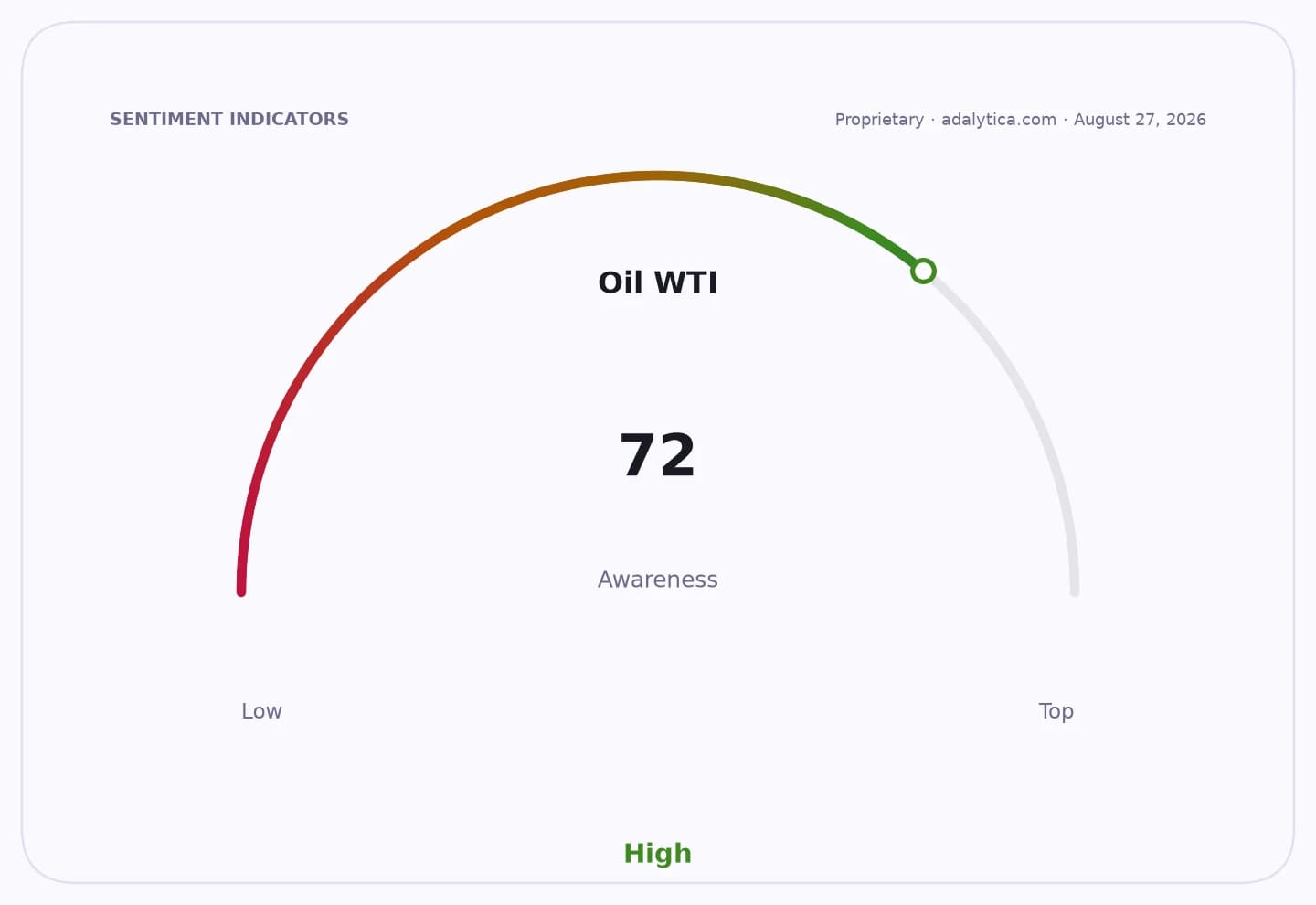
Ukraine’s campaign against Russian energy infrastructure is becoming the war’s most economically consequential front, and markets are beginning to price the damage.
The key shift is not battlefield theater but the pressure on Moscow’s ability to turn crude into fuel, earn export revenue and keep its domestic economy moving. With Russian officials dismissing ceasefire talks and Ukrainian leaders warning they have only months to reverse the tide, the conflict is drifting toward a harsher economic contest in which refinery outages, logistics disruptions and export interruptions matter as much as territory.
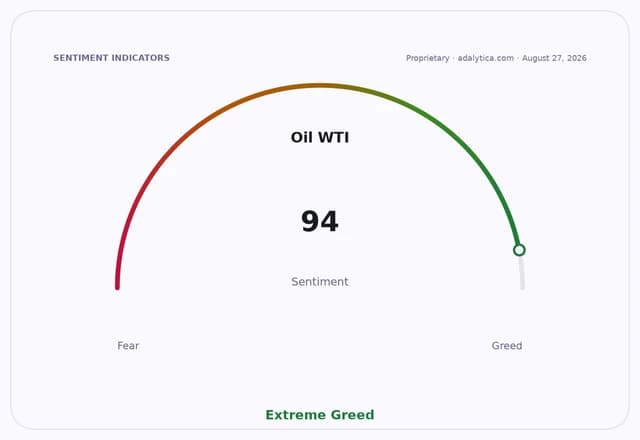
That matters because Russia’s war machine still leans heavily on energy cash flow. Hitting refineries, pipelines and related logistics can tighten domestic fuel supply, lift operating costs and force the Kremlin to absorb more economic friction at a time when its fiscal flexibility is already constrained by sanctions and wartime spending. The message for investors is that the war is no longer just a geopolitical risk premium; it is a direct input into global energy pricing, inflation expectations and safe-haven demand.
The market has already started to reflect that reality. USO, the oil ETF, has surged to $127.35 from $112.21 on July 8, with the fund trading far above its 50-day moving average and its 200-day average, while RSI readings above 60 show the move has real momentum. The technical picture is consistent with a market that is not waiting for perfect clarity before bidding up supply risk.
Gold is confirming the same macro. GLD closed at $421.32 on Aug. 26, up from $398.55 a week earlier and not far below its recent high, while RSI remains elevated and the fund trades well above the 200-day moving average. In plain English, investors are hedging geopolitical stress, inflation persistence and the chance that the war’s next phase hits the global commodity complex harder than consensus expects.
The macro backdrop reinforces the trade. The 10-year Treasury yield is sitting around 4.68%, and high-yield credit spreads remain relatively contained at about 2.68%, suggesting markets are not pricing outright financial panic. That combination usually leaves room for a commodity-led shock to ripple through inflation-sensitive assets before credit fully reacts. Our thesis is that the market underestimates how quickly a sustained disruption to Russian fuel infrastructure can bleed into global diesel, freight and refining economics.
The asymmetric opportunity is in the second-order winners. Energy producers with low-cost barrels, refiners positioned to benefit from product tightness, defense names tied to drone interception and electronic warfare, and gold exposure all gain when geopolitical risk is no longer abstract. The losers are importers, consumer sectors dependent on cheaper fuel, and any portfolio still assuming the war can be ring-fenced from the inflation cycle.
If Ukraine can keep pressure on Russia’s Achilles heel, the next leg is likely not a quick ceasefire but a more persistent repricing of energy scarcity, sovereign risk and wartime resilience. I believe investors should stay long oil, maintain gold exposure and look through the noise to the infrastructure and defense beneficiaries that profit when geopolitical friction becomes economically real.
| Entity | Gains | Losses |
|---|---|---|
| Oil producers | ▲Higher crude pricing | ▼Fuel-consuming sectors |
| Gold holders | ▲Safe-haven demand | ▼Risk assets |
| Defense contractors | ▲Higher war spending | ▼Peace-oriented trades |
| Russian economy | ▲None | ▼Refining margin, fuel supply |