Ukraine schools move underground amid Russian attacks
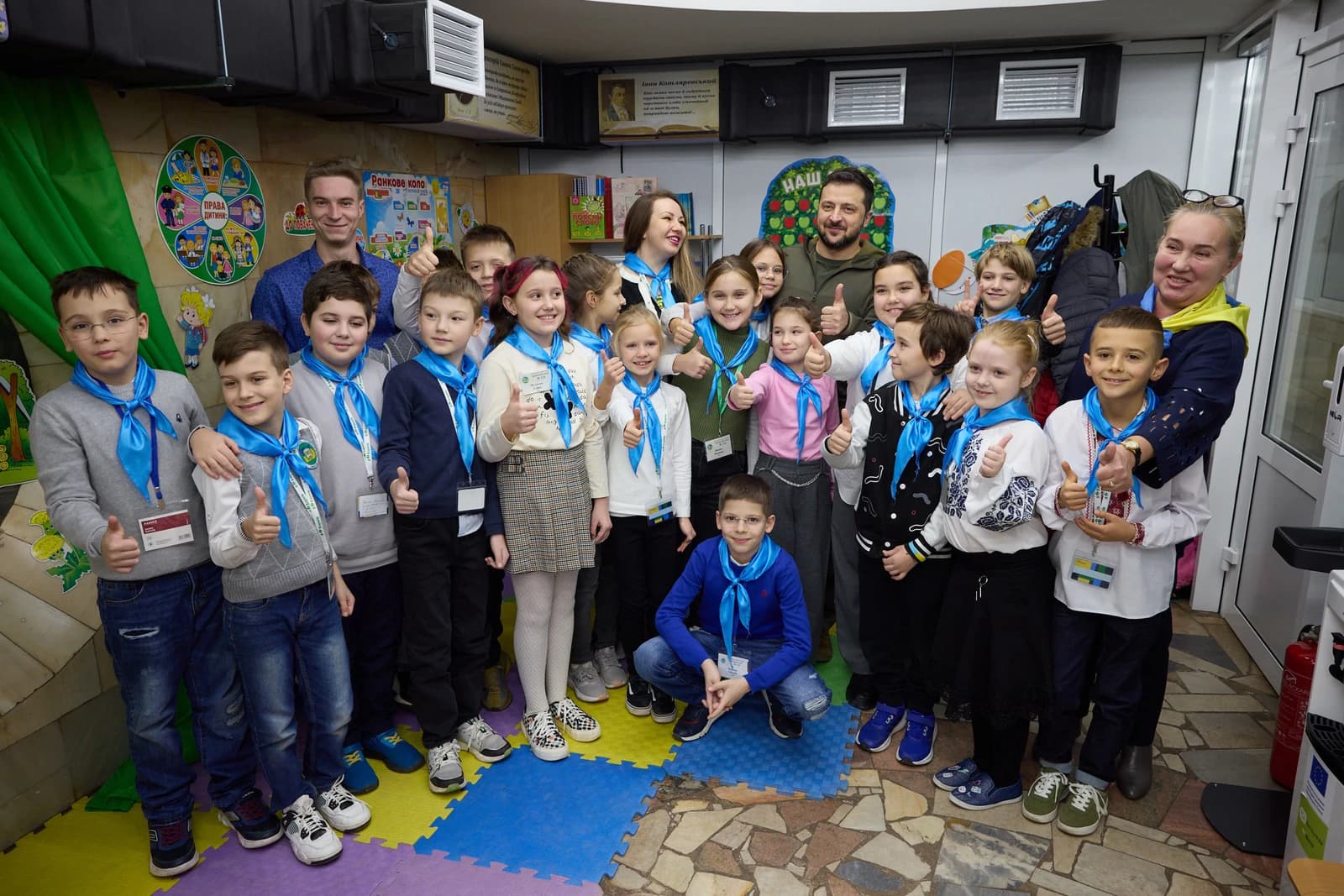
Ukraine’s new school year is unfolding under air raid sirens and in basement classrooms, underscoring how Russia’s war is now grinding down not just infrastructure but the country’s education system and identity formation.
In Kyiv, schools are moving lessons underground as Russia steps up drone attacks that keep alerts sounding for hours and, at times, most of the day. At the Winston Churchill school in the east of the capital, primary pupils have been squeezed into a basement space with desks separated by a sheet, while older students alternate between in-person classes and remote learning because shelters are too crowded.
Teachers say the pressure is already showing after just 10 days back in class. Students are exhausted, complain of headaches and become agitated, while staff must squeeze in physical education, singing and breaks in narrow corridors under dim neon lights. For investors and policymakers, the story is a reminder that the war’s economic damage extends beyond factories and power grids to human capital, with long-run consequences for productivity, labor supply and postwar reconstruction costs.
The educational front is also becoming a battleground for sovereignty. In Russian-occupied Donetsk, Luhansk, Zaporizhzhia and Kherson, Moscow has begun distributing new history textbooks from Sept. 1 that present a “unified history of Russia” and are mandatory for secondary schools in occupied areas, according to Ukrainian officials.
Kiev says the move is part of a broader re-education campaign aimed at erasing Ukrainian identity, replacing local curricula and pushing children into patriotic extracurricular groups that could feed future enlistment into Russian forces. The campaign deepens the political stakes of the occupation and complicates any eventual reintegration effort, because the fight is no longer only over territory but over what children in those regions are taught to believe.
For markets, the immediate read-through is limited, but the broader implications are not: a prolonged war that keeps schools below ground and rewrites curricula in occupied zones raises the cost of reconstruction, prolongs demographic strain and reinforces the view that any durable settlement will have to address education, language and social cohesion as much as borders.
| Entity | Gains | Losses |
|---|---|---|
| Russia | ▲controls curriculum in occupied regions | ▼international legitimacy |
| Ukraine | ▲rallies support for sovereignty | ▼school operations and student welfare |
| Ukrainian students | ▲limited in-person learning when safe | ▼disrupted education and stress |
| Future reconstruction backers | ▲clearer need for funding | ▼higher long-term recovery costs |