Ukraine Strain Lifts Energy and Defense Bets
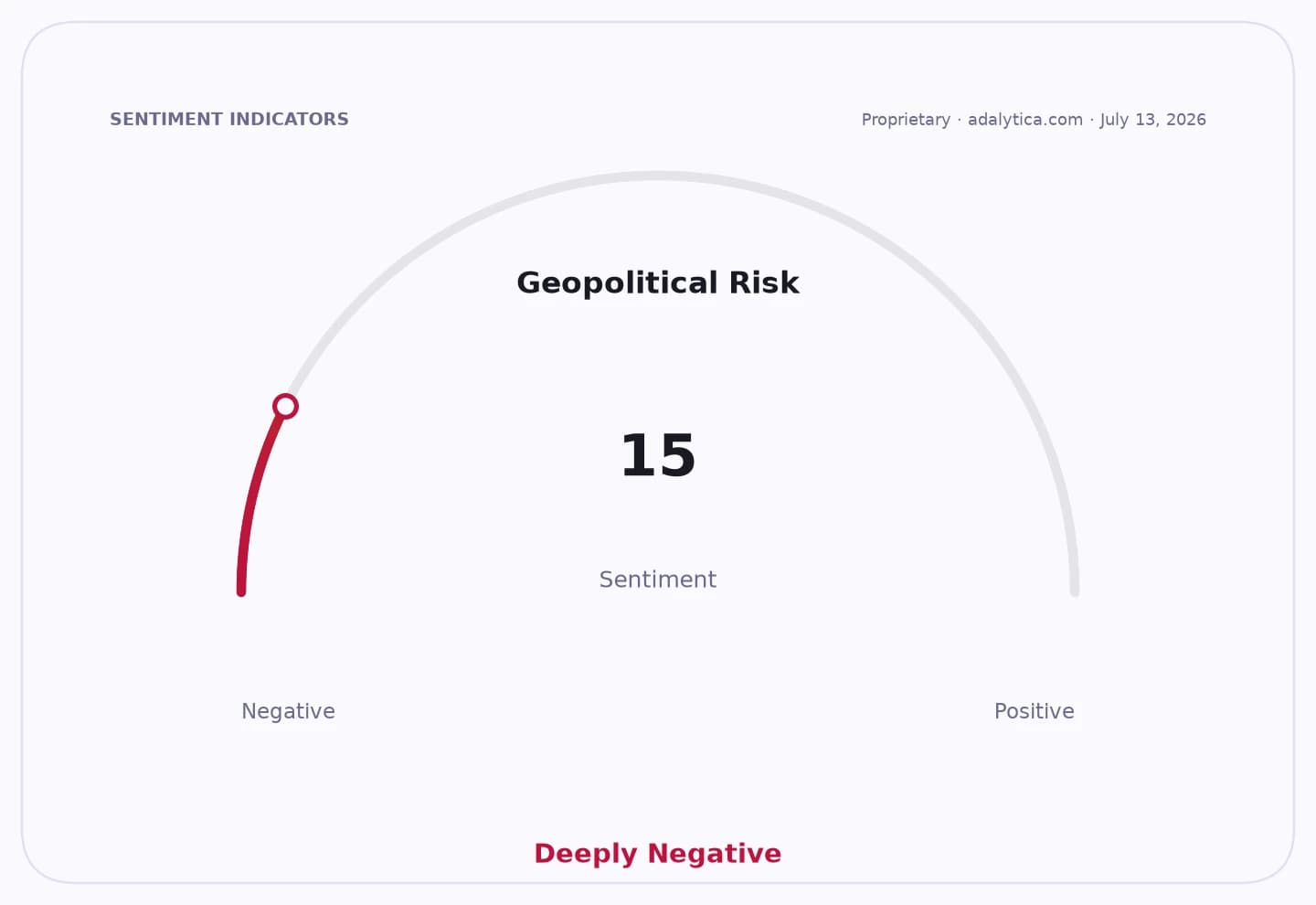
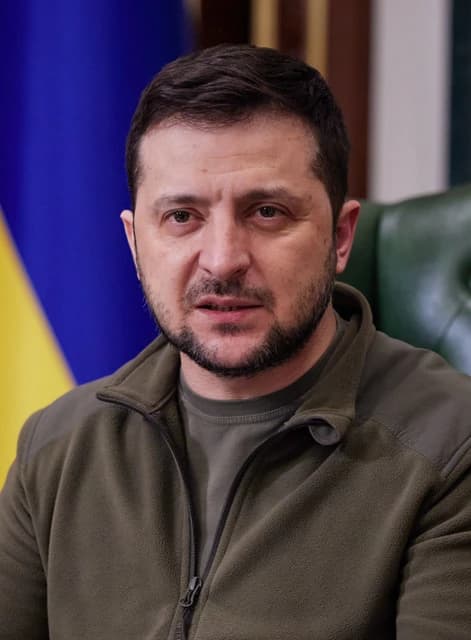
Ukraine is facing a sharper political and battlefield strain as President Volodymyr Zelensky removed his prime minister while Russian forces expanded control in the northeastern Sumy region, a combination that signals mounting pressure on Kyiv’s war effort and keeps geopolitical risk elevated for investors.
The timing matters because leadership turnover at the top of government can complicate wartime decision-making just as Russia is probing for gains on the front line. Any sign of instability in Kyiv also feeds into markets that are already sensitive to supply disruption, sanctions risk and the prospect of a longer conflict.

The escalation is showing up in broader risk gauges as well. Adalytica’s Global Stability Sentiment is sitting at 15, labeled “Extreme Fear,” after a 62-point drop over the past 30 days, underscoring how quickly the market backdrop has deteriorated as the war outlook worsens.
For investors, the immediate transmission channel is energy and defense. The Energy Select Sector SPDR Fund, XLE, was holding near $55.08 in the latest session, with its 50-day moving average at $56.46 and RSI readings at 60.9, reflecting a market still pricing geopolitical friction into oil and gas names even as momentum cools. Defense shares remain supported by the same backdrop: the iShares U.S. Aerospace & Defense ETF, ITA, traded at $239.06, above its 50-day moving average of $230.54, with the 200-day average at $223.41.
The move also lands in a market where Boeing, a major defense contractor and aerospace supplier, is still working through its own operational challenges. BA closed at $222.28, just below its 50-day moving average of $223.32, suggesting investors are watching defense demand but remain selective about exposure.
Russia’s capture of additional villages in Sumy matters beyond the map because it reinforces the risk that the war is not moving toward de-escalation. That keeps upward pressure on crude, liquefied natural gas and European security spending, while also raising the odds of fresh sanctions headlines and further disruption to trade routes, shipping and insurance costs.
The next catalyst is whether the fighting widens further and whether Western governments respond with tighter sanctions or more military aid. If battlefield gains continue and diplomacy stalls, investors are likely to keep paying up for energy, defense and volatility protection.
| Entity | Gains | Losses |
|---|---|---|
| Energy producers | ▲Higher geopolitical risk premium | ▼Demand uncertainty if escalation hits growth |
| Defense contractors | ▲More military spending expectations | ▼Margin pressure if supply chains tighten |
| Ukraine government | ▲None | ▼Political instability and battlefield setbacks |
| Oil importers | ▲None | ▼Higher fuel and hedging costs |