Ukraine strikes keep defense contractors in focus
Ukraine’s decision to keep striking Russian targets after President Donald Trump asked Kyiv to stop is another reminder that this war is not easing into a neat cease-fire — and that defense contractors tied to air defenses, missiles and battlefield replenishment remain central beneficiaries.
For investors, that matters because prolonged conflict tends to support spending on interceptors, sensors, command-and-control systems and replacement munitions. Even when politics gets messy, the economic logic for defense budgets is simple: militaries burn through inventory fast in a high-intensity war, and governments tend to refill it with long-term contracts. That is exactly the kind of demand environment that can keep cash flow resilient for prime contractors.
The market has already been leaning that way. Lockheed Martin, Northrop Grumman and RTX all have seen big swings over the past several months, but their businesses remain tied to one of the most durable themes in the market: rearmament. Lockheed recently traded around $533, well below a summer peak above $600, while Northrop Grumman was near $531 after touching above $700 earlier this year. RTX, which is more exposed to aerospace but still benefits from missile defense and systems demand, was around $195 after a sharp pullback from the low $200s. Those moves suggest investors have been taking some profits, but not abandoning the long-term story.
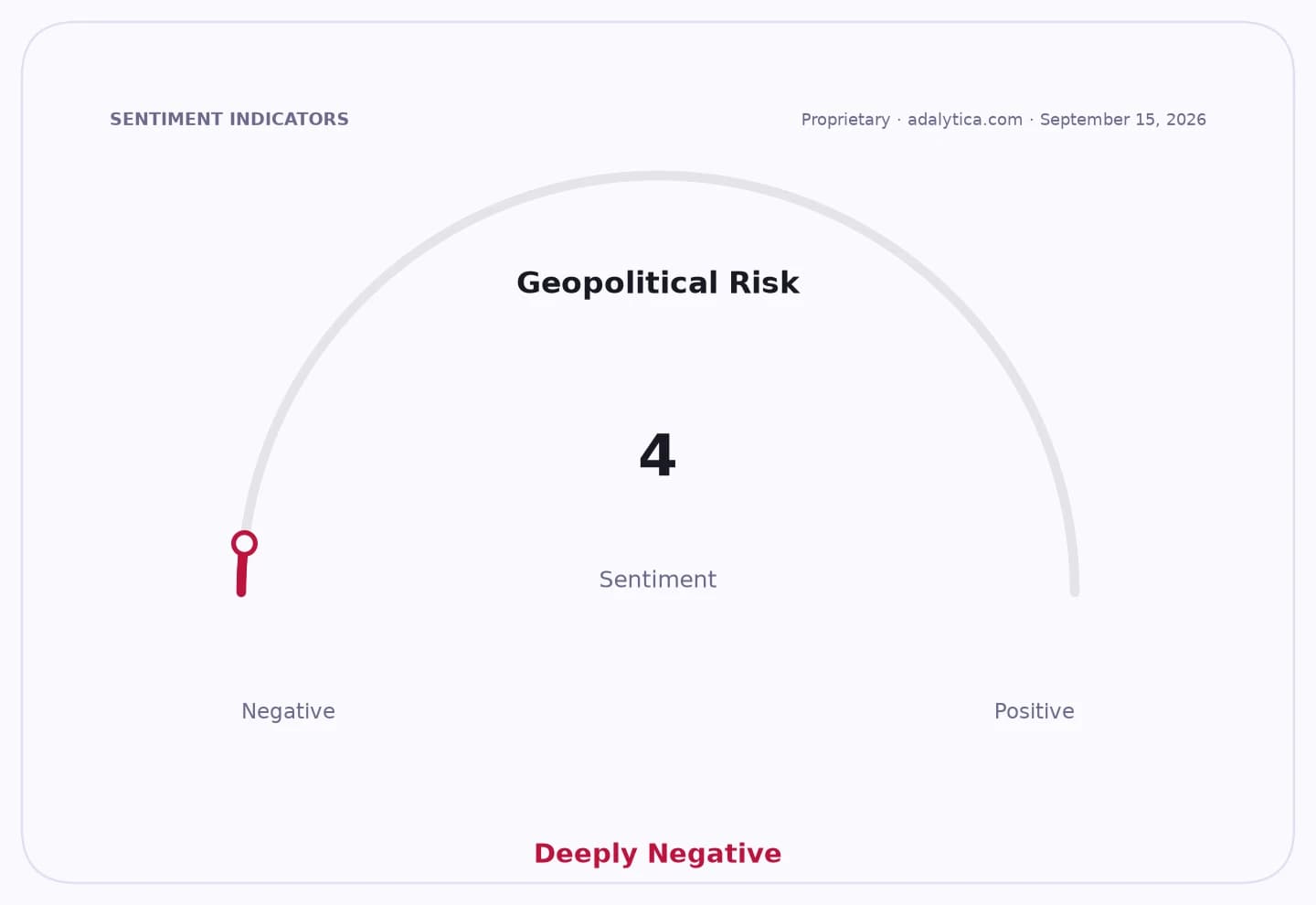
The broader backdrop is even more important than the day-to-day share price action. Adalytica’s Global Stability Sentiment gauge sat at 4, labeled “Extreme Fear,” underscoring how quickly geopolitical risk can return to the market. When fear spikes like that, the companies that supply protection — from Patriot missile systems to radar, sensors and precision weapons — usually keep their strategic premium. That does not mean the stocks only go up. It means the underlying demand base is less cyclical than many other industrial businesses.
Lockheed and Northrop are the clearest Ukraine-linked names here. Lockheed’s Patriot and rocket systems, and Northrop’s sensor, command and missile-defense businesses, are the sort of platforms governments buy when deterrence fails. RTX also stands to benefit through its Raytheon missile-defense franchise, even if its commercial aerospace exposure makes the stock less of a pure geopolitical play. The key investing point is that conflict can accelerate orders, but it also raises execution risk, supply-chain pressure and valuation volatility.
Long-term investors should think beyond the headlines. If the war drags on and NATO countries continue rebuilding stockpiles, defense spending could remain elevated for years, not months. That would support revenue visibility and, for the best operators, dividend growth and steady free cash flow. The challenge is price discipline: these are quality businesses, but quality still matters when shares run up sharply.
For now, Ukraine’s latest move reinforces a simple takeaway — the defense trade is not going away, and investors may want to keep Lockheed Martin, Northrop Grumman and RTX on the watchlist as durable beneficiaries of a more dangerous world.
| Entity | Gains | Losses |
|---|---|---|
| Lockheed Martin | ▲missile-defense demand | ▼cease-fire optimism |
| Northrop Grumman | ▲replenishment contracts | ▼lower war-risk premiums |
| RTX | ▲systems and interceptor sales | ▼aerospace-only growth narrative |
| Ukraine/Russia cease-fire hopes | ▲less likely to revive quickly | ▼diplomatic momentum |