Ukraine Strikes Hit Russian Refineries and Crimea
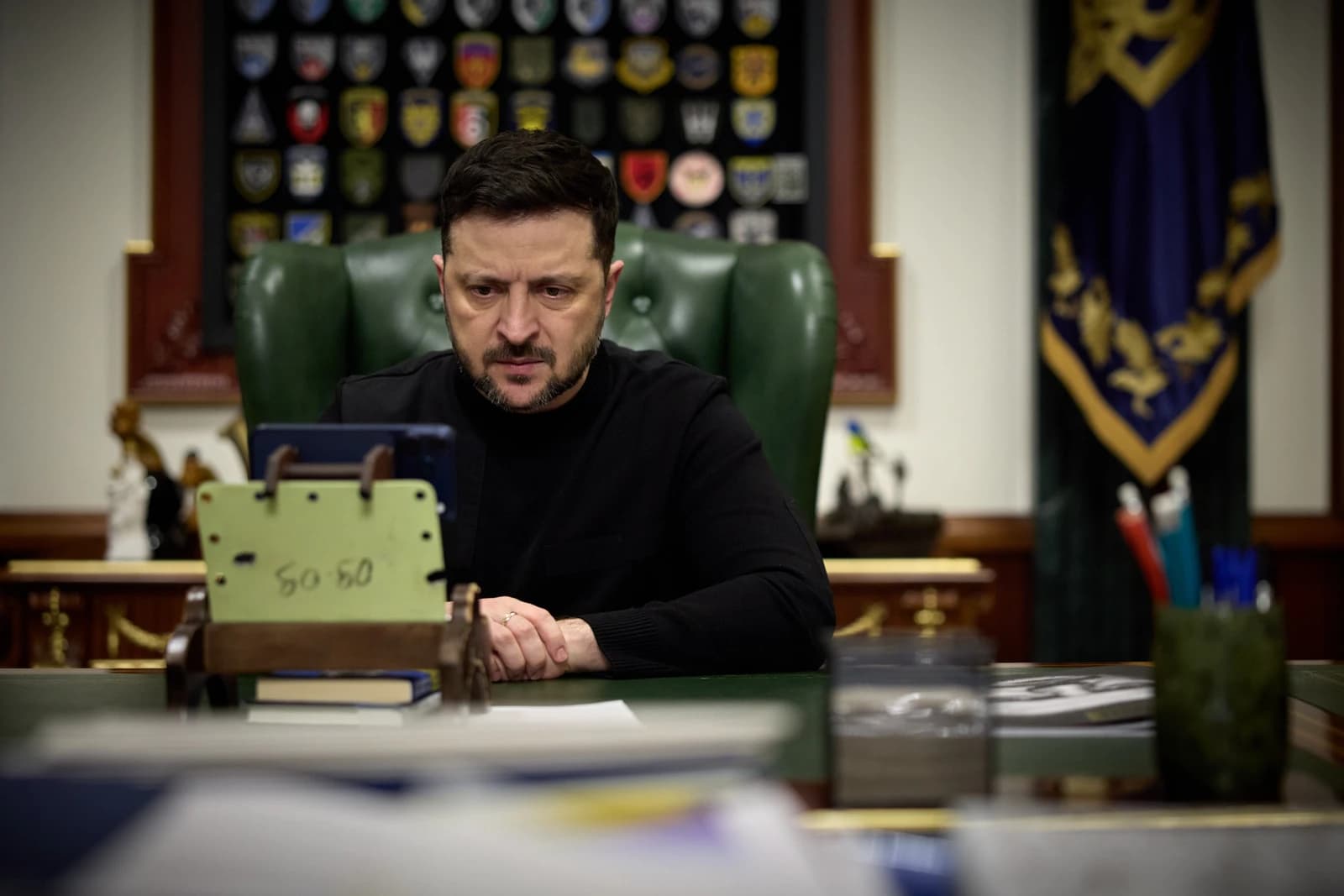
Ukraine is keeping Russia from meeting its spring-summer campaign goals, even as the war continues to drain Moscow’s manpower, logistics and refinery system, according to former CIA director and U.S. general David Petraeus.
Petraeus told RBC-Ukraine that Russia has not been able to seize the rest of Donetsk region or the fortified cities it had set out to take, arguing that the battlefield initiative remains with Kyiv because Russian forces are still short of those objectives. His assessment matters because it frames the conflict not as a grinding Russian advance, but as a campaign in which Moscow is paying a rising price for limited territorial gain.
That economic and military cost is central for investors watching the war through the lens of energy markets, regional stability and sanctions risk. Petraeus said Russian killed and wounded now exceed 1,000 a day, with more than 35,000 in a single month and total losses above 1.5 million. Those figures cannot be independently verified from the material provided, but if directionally accurate they imply a conflict that is increasingly resource-intensive for the Kremlin and harder to sustain without further strain on the labor force and public finances.
The former top U.S. commander also cast Ukraine’s campaign as strategically deeper than the front line. He said Ukrainian strikes have helped isolate occupied Crimea by cutting into the sea and land logistics Russia uses to supply the peninsula, with more than 275 boats, tankers, ferries and barges destroyed, according to his account. He added that the effects are already visible in Crimea’s power, heating and water supplies.
For investors, that matters because the war’s pressure points now extend well beyond the trench line. A more isolated Crimea raises the security risk around the Black Sea and adds to the chance of further disruption to shipping, insurance and regional infrastructure assets. It also supports the view that Ukraine can impose costs on Russian-held territory without a breakthrough on the main front.
Petraeus said Ukraine has also been hitting Russian refineries, claiming it has struck every refinery within 3,000 kilometers of Ukraine at least once and some repeatedly. He argued that reduced refining capacity has helped end Russian exports of gasoline and diesel, pushed Moscow to ship more crude abroad and forced it to import refined products, including from Kazakhstan, Belarus and India. If those claims hold, they point to a meaningful squeeze on Russia’s energy system: crude exports can cushion revenue in the short term, but lost refining output hits domestic fuel availability and reduces the value Russia captures from each barrel.
That is the key investor angle. A war that degrades Russian refining, air defense and transport logistics can tighten fuel balances, add to inflationary pressure and complicate Moscow’s ability to fund the war while keeping the home front stable. Petraeus also said repeated strikes on systems such as S-400 air defenses could make future Ukrainian attacks more effective by forcing Russia to concentrate protection around a few critical sites and leave other areas exposed.
The broader story is one of asymmetric pressure. Russia still has mass and firepower, but Ukraine, in Petraeus’s telling, is using drones and strikes on logistics, refineries and air defenses to make that advantage more expensive to deploy. That does not imply an imminent shift in the war’s endgame, but it does suggest the Kremlin faces a harder operational and economic math as the fighting drags on.
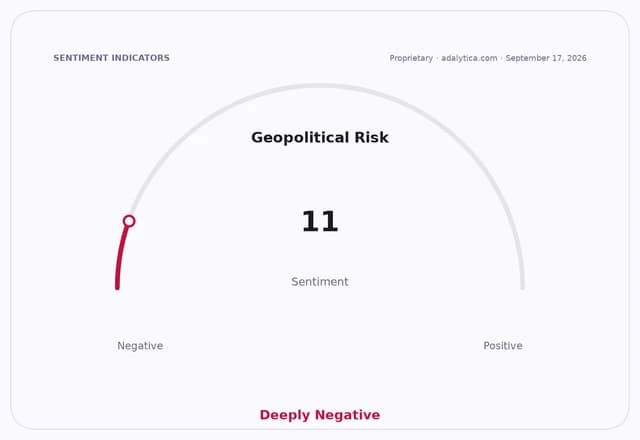
Adalytica’s Global Stability Sentiment gauge also points to rising geopolitical stress, with the indicator in “Extreme Fear,” underscoring how investors continue to price the war as a source of tail risk for energy, transport and European security.
For markets, the near-term watch points are whether Ukrainian strikes continue to disrupt Russian fuel flows and Crimea supply lines, whether Moscow can reconstitute air defenses fast enough to blunt them, and whether the conflict’s economic cost starts to show up more visibly in Russian domestic supply, labor shortages and state spending.
| Entity | Gains | Losses |
|---|---|---|
| Ukraine | ▲Battlefield leverage | ▼None in the near term |
| Russia | ▲Short-term crude exports | ▼Fuel supply, logistics, manpower |
| Energy markets | ▲Higher security premium | ▼Predictability and supply stability |
| Investors in regional risk assets | ▲Potential clarity on war costs | ▼Exposure to escalation and disruption |