Ukraine attacks raise supply-chain risk for agribusiness
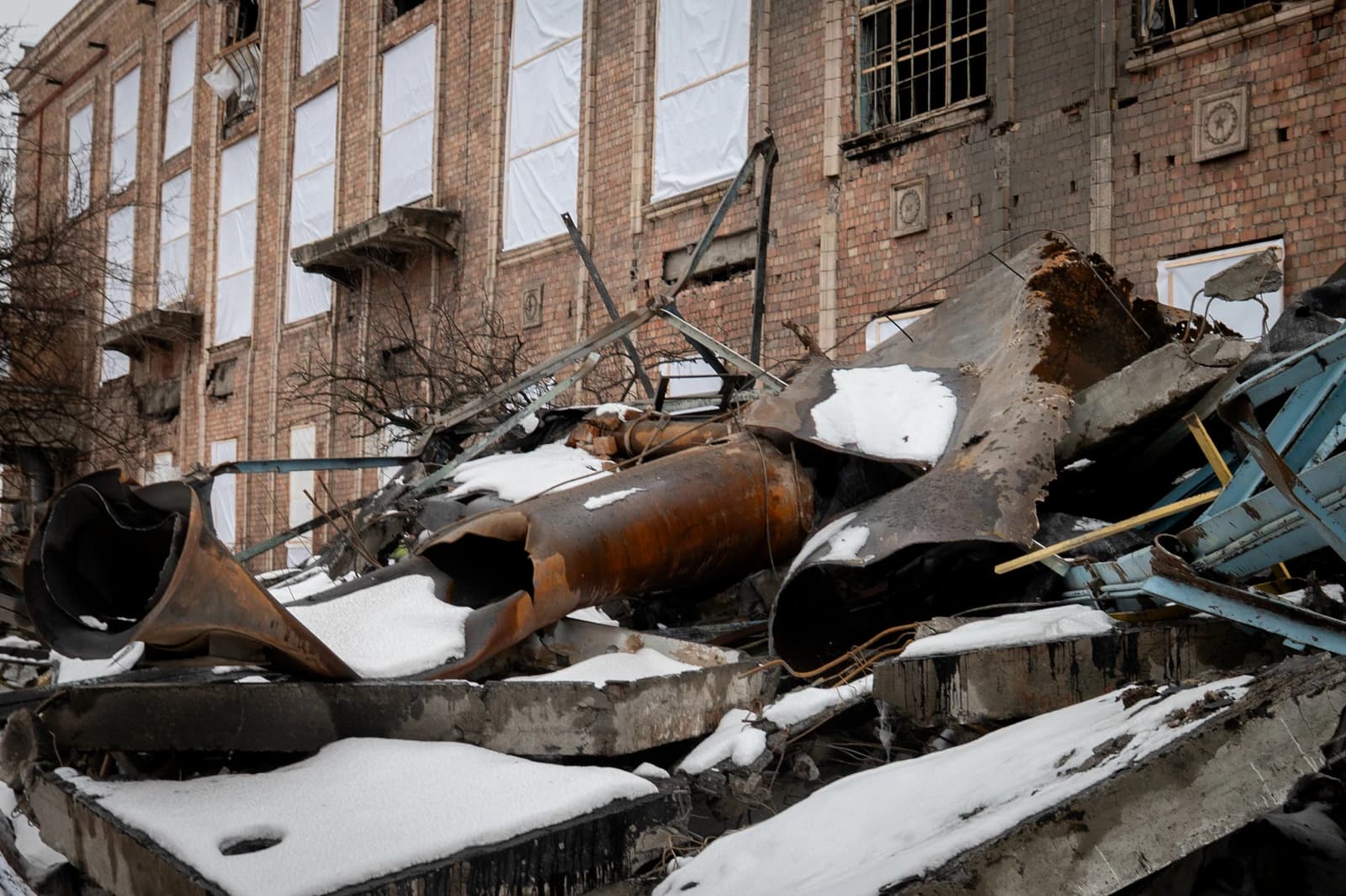
Russia’s widening campaign against Ukrainian economic targets is doing more than causing casualties — it is pushing up the real cost of keeping Ukraine’s economy and war effort running.
The latest attacks hit a petrol station in Kyiv and a Bunge sunflower oil facility in Dnipro, underscoring a deliberate effort to choke off logistics, fuel and food processing. Four people were injured in the Kyiv strike, which Ukrainian officials said was the first jet-powered drone attack of its kind in the capital. In Dnipro, two people were killed. Together, the strikes show Moscow is moving beyond battlefield positions and into the infrastructure that helps Ukraine move goods, power industry and support exports.
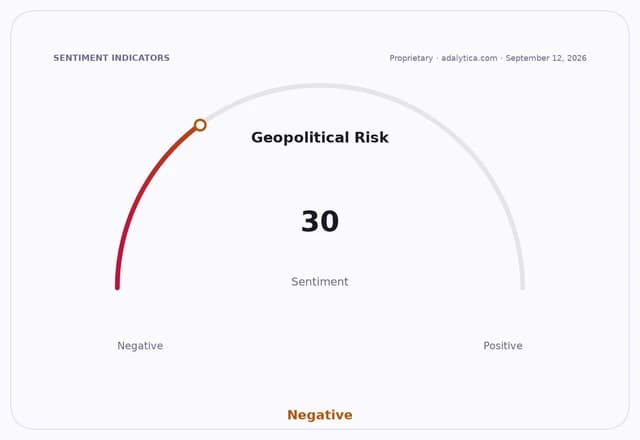
That matters economically because Ukraine’s economy remains heavily dependent on functioning transport links, fuel supplies and agribusiness capacity even in wartime. Repeated strikes on those assets raise insurance, repair and security costs, slow production and complicate the movement of grain, oilseeds and industrial goods. Ukraine has already said it is short of air defense systems, which makes every additional wave of attacks more expensive to absorb and harder to deter.
For investors, the message is less about a single plant than about the durability of supply chains tied to the Black Sea region. Agribusiness names with exposure to Ukraine — and the broader network of crushers, traders, shippers and insurers that move crops through the region — face more disruption risk whenever attacks intensify. Shares of fertilizer and crop input companies such as Nutrien and Mosaic often move on crop economics and global supply expectations, but for long-term investors the bigger takeaway is that war-driven volatility can keep food and energy markets tight well beyond the next headline.
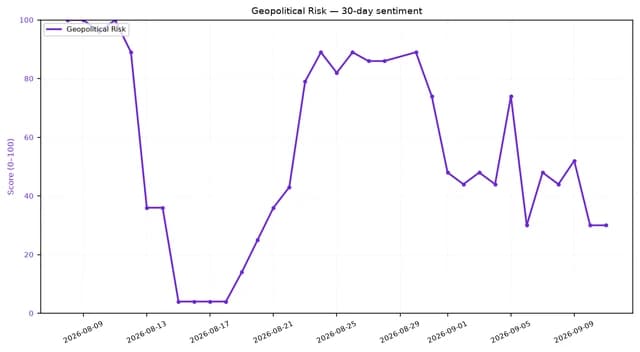
There is also a broader geopolitical angle. Ukrainian Foreign Minister Andrii Sybiha said the Dnipro strike showed Russia was systematically targeting American businesses, a reminder that foreign capital in wartime areas can be drawn into the conflict. That can affect how international companies think about capital allocation, asset protection and the pace of any future rebuilding.
Markets have a habit of looking past war risk until it becomes impossible to ignore. But for investors with a multiyear horizon, Ukraine’s experience is a reminder that logistics, fertilizer, crop processing and energy infrastructure are not just operational details — they are the backbone of economic resilience. The stocks most exposed will remain volatile, but the companies that help restore supply chains could also be the ones best positioned when rebuilding begins.
| Entity | Gains | Losses |
|---|---|---|
| Russia | ▲War leverage | ▼Global confidence |
| Ukraine | ▲Foreign support focus | ▼Fuel, logistics, output |
| Agribusiness operators | ▲Higher rebuild demand | ▼Asset damage, disruption |
| Input and commodity investors | ▲Supply-risk pricing | ▼Short-term stability |