Ukraine seeks U.S. support for Freyja missile program
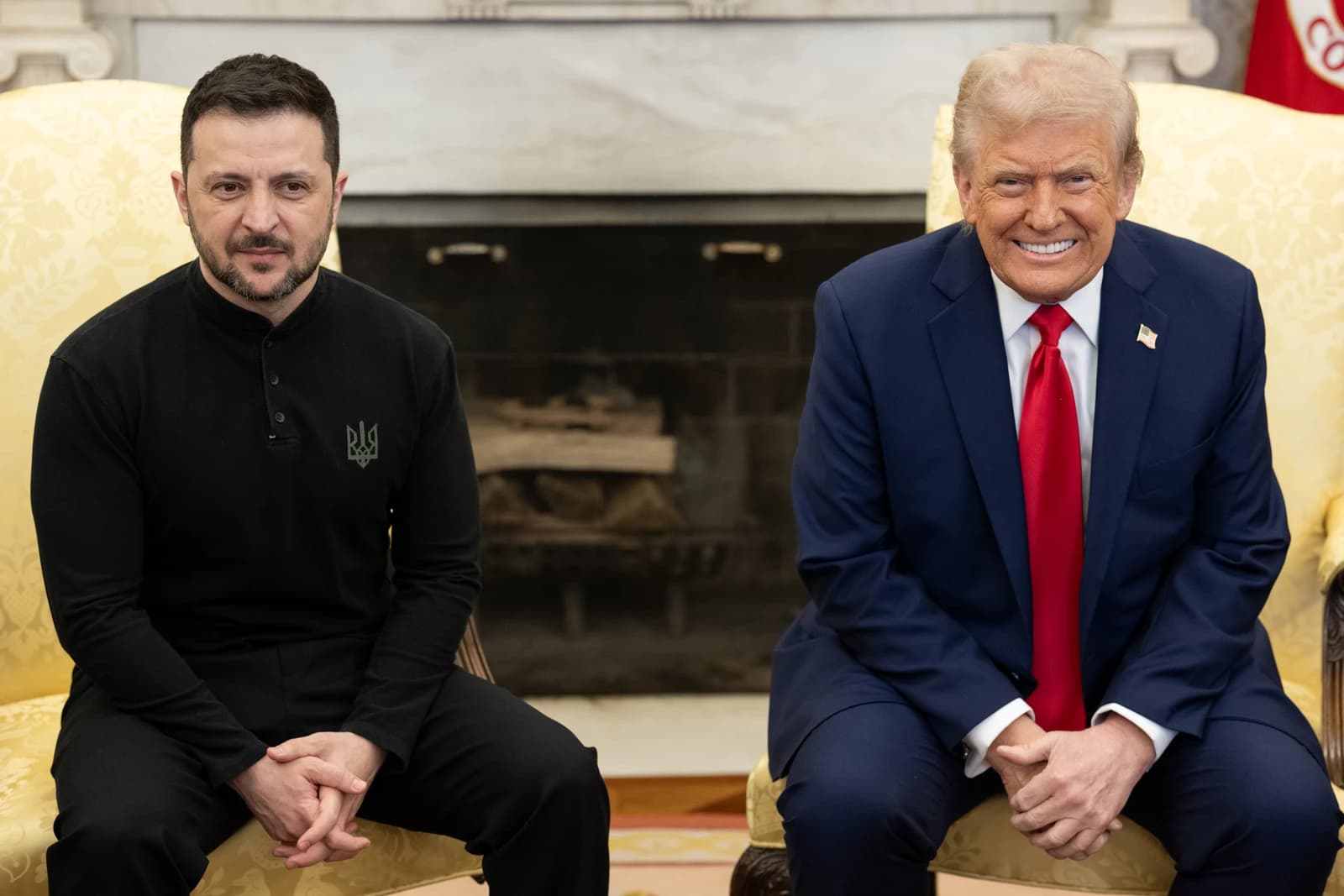
Ukraine is pushing to lock in U.S. support for a new long-range missile program just as diplomatic momentum with Washington and Moscow starts to rebuild, a development that could reshape both the battlefield and the defense-industrial winners around it.
President Volodymyr Zelensky said he expects to meet Donald Trump in the second half of September, likely on the sidelines of the U.N. General Assembly in New York, with Ukraine’s Freyja missile program and the supply of U.S. ballistic missiles at the top of the agenda. That matters because Kyiv is not just asking for weapons to survive the war; it is trying to secure help for a domestic strike capability that would reduce dependence on outside suppliers over time.
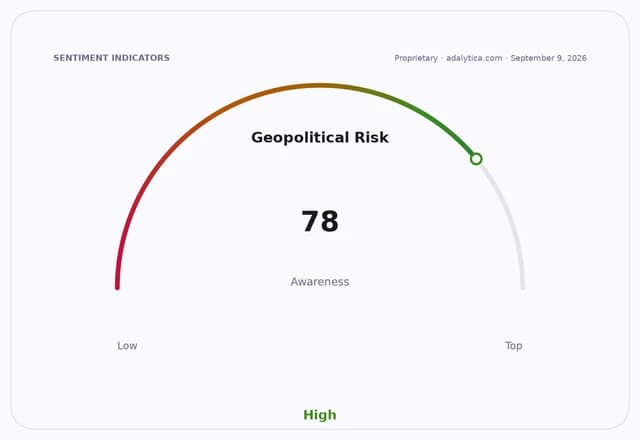
The timing is economically and strategically important. A more capable Ukrainian missile arsenal would raise the cost of Russia’s war, bolster the case for additional Western aid and keep defense procurement elevated across the NATO supply chain. It also fits a broader shift in the war toward industrial endurance: whoever can replenish interceptors, missile components and air-defense systems fastest has the advantage.
For investors, the message is not subtle. The war is extending the multi-year demand cycle for missile defense and strike systems, and that keeps U.S. primes in the sweet spot of a capex supercycle that is still being underestimated by the market. Raytheon parent RTX, which has already booked $3.7 billion for Patriot GEM-T interceptors for Ukraine in its latest quarterly filings, remains one of the clearest beneficiaries. Northrop Grumman, which continues to work on advanced missile-related capabilities, and Lockheed Martin, a key player across missiles and fire control, also stand to benefit from any step-up in allied procurement.
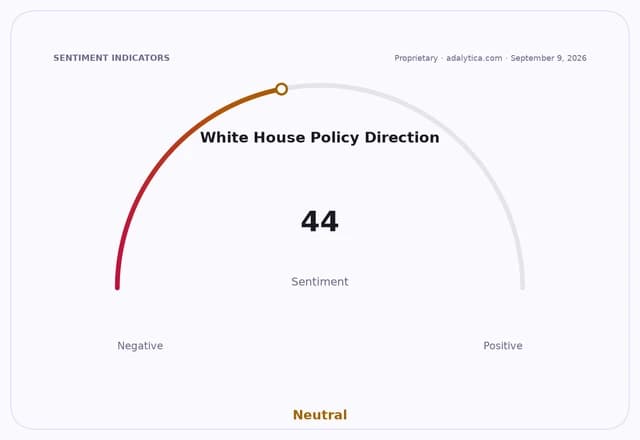
The diplomatic backdrop reinforces that thesis. U.S. envoys Steve Witkoff and Jared Kushner have moved between Moscow and Kyiv, with Washington describing “substantial progress” toward arranging further trilateral talks involving Ukraine, the U.S. and Russia. Even if that process ultimately disappoints, the near-term effect is to keep defense planning alive and Western rearmament budgets sticky.
The market is already leaning that way. Shares of RTX, Lockheed Martin and Northrop Grumman have all remained well above their 200-day averages even after recent pullbacks, a sign that investors still favor the secular defense trade. Ukraine’s push for Freyja support adds another catalyst: if Washington signals even partial backing, the next leg of the move could be led by missile makers, air-defense contractors and the suppliers buried deepest in the munitions chain.
This is the kind of setup the market often underprices until the awards arrive. My view is that investors should stay positioned for a longer, deeper defense cycle, with RTX the most direct way to play rising Patriot demand and the broader missile-replenishment theme. If Zelensky gets traction with Trump later this month, the winners will be the companies selling the tools of deterrence.
| Entity | Gains | Losses |
|---|---|---|
| RTX | ▲Patriot missile demand | ▼Missile inventory constraints |
| Lockheed Martin | ▲Broader missile spending | ▼Pace of peace talks |
| Northrop Grumman | ▲Sustained defense budgets | ▼Lower urgency for rearmament |
| Russia | ▲Negotiating leverage | ▼Cost of Ukrainian escalation |