Prolonged Ukraine War Supports Defense and Gold Trades
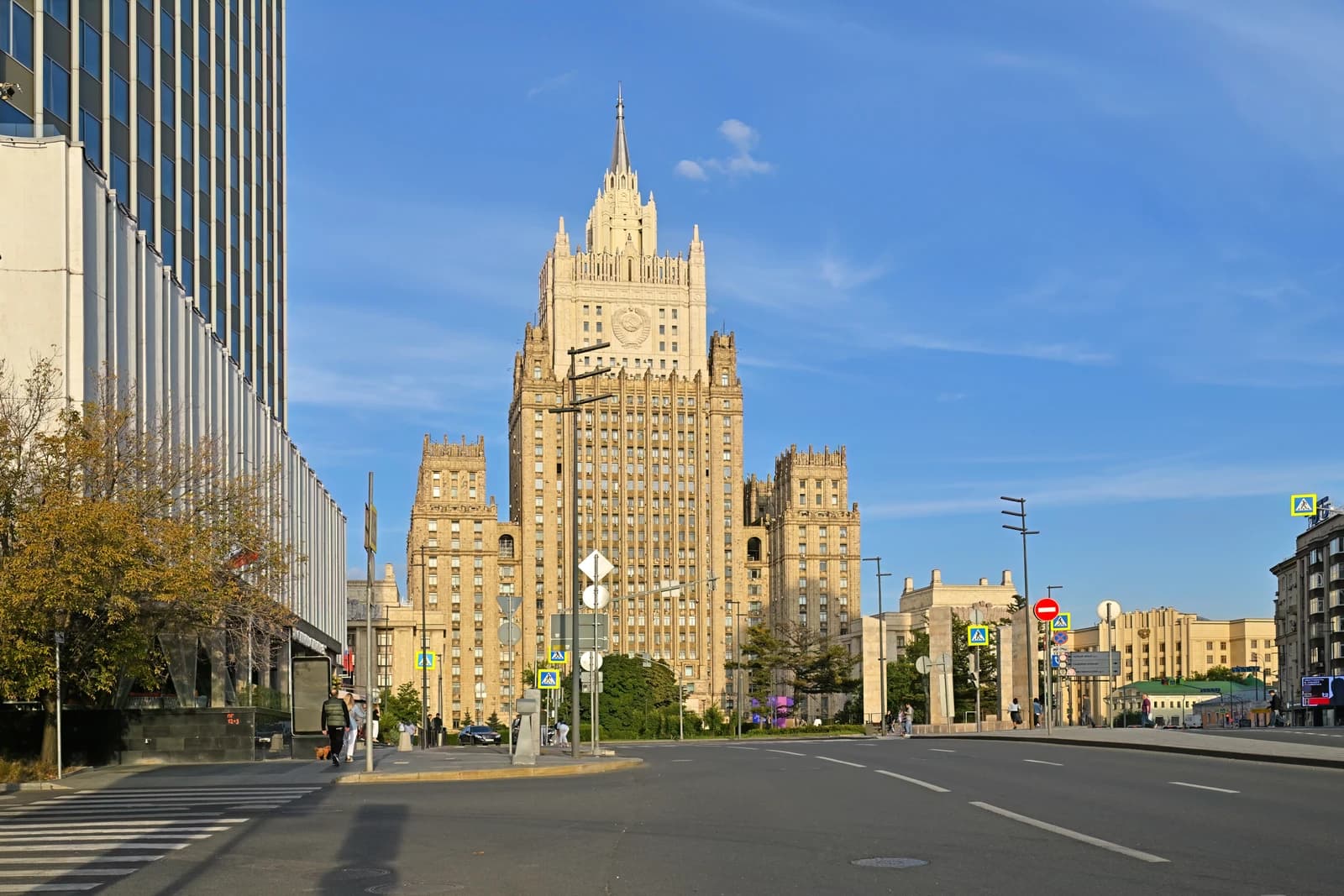
Russia’s acknowledgment that a resolution of the Ukraine conflict is “extremely complex” underscores the market’s central mistake: this war is not drifting toward a quick diplomatic exit, and that keeps a powerful set of geopolitical trades in play.
For investors, that matters because a prolonged war sustains the same forces that have defined the macro landscape for more than four years — elevated defense spending, persistent risk premium in European assets, and structural demand for havens such as gold. It also keeps pressure on currencies and trade flows tied to Europe’s security outlook, while discouraging the kind of normalization that would usually lift cyclicals, tourism and cross-border capital confidence.
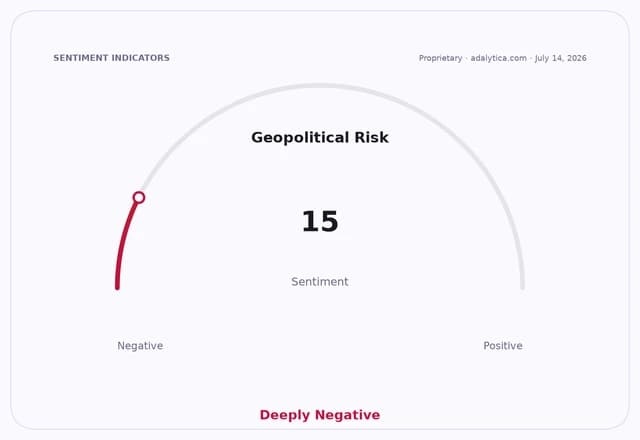
The market is already signaling that message. The U.S.-listed inverse euro fund EUO has been firm, with its latest close at 30.67, above both its 50-day and 200-day moving averages, a sign traders are still positioning for euro weakness. The euro itself has struggled to reclaim momentum, with FXY, the yen ETF, also trading below its 200-day average, reflecting a broader safety bid rather than a clean “risk-on” rotation. Gold tells the same story: GLD remains far above its long-term trend even after pulling back from its spring surge, showing that investors are still paying up for geopolitical insurance.
That backdrop is exactly why the market underestimates the duration trade. Russia’s comment is not a peace signal; it is an admission that the conflict has become embedded in military, political and industrial structures on both sides. Moscow says it has adapted its tactics over more than four years of war, while the battlefield continues to see escalation, not convergence. When wars become institutionalized, capital follows the institutional winners: defense contractors, drone and surveillance suppliers, ammunition makers, cybersecurity firms and commodity producers tied to energy and precious metals.
I believe the asymmetric opportunity is not in trying to trade a ceasefire that may never come, but in owning the toll roads of a permanently stressed geopolitical order. Defense ETFs and prime contractors remain the cleanest expression of that thesis. So do gold miners and select European hedges for investors who want to protect against another leg of instability. The market is still pricing fragments of de-escalation; the reality is a grinding conflict that keeps risk assets from fully normalizing.
The next catalyst is not a treaty headline — it is another month of war, another round of budget pressure in Europe, and another reason for capital to stay defensive. In this environment, patience pays on the side of security and scarce hard assets.
| Entity | Gains | Losses |
|---|---|---|
| Defense contractors | ▲Higher orders | ▼Peace dividend |
| Gold and gold ETFs | ▲Safe-haven demand | ▼Risk-on rotation |
| EUO / euro bears | ▲Weak-euro trade | ▼Currency stabilization |
| European cyclicals | ▲Defensive support | ▼War normalization |