Ukraine Zelensky Plans Sept. 20 Trump Meeting
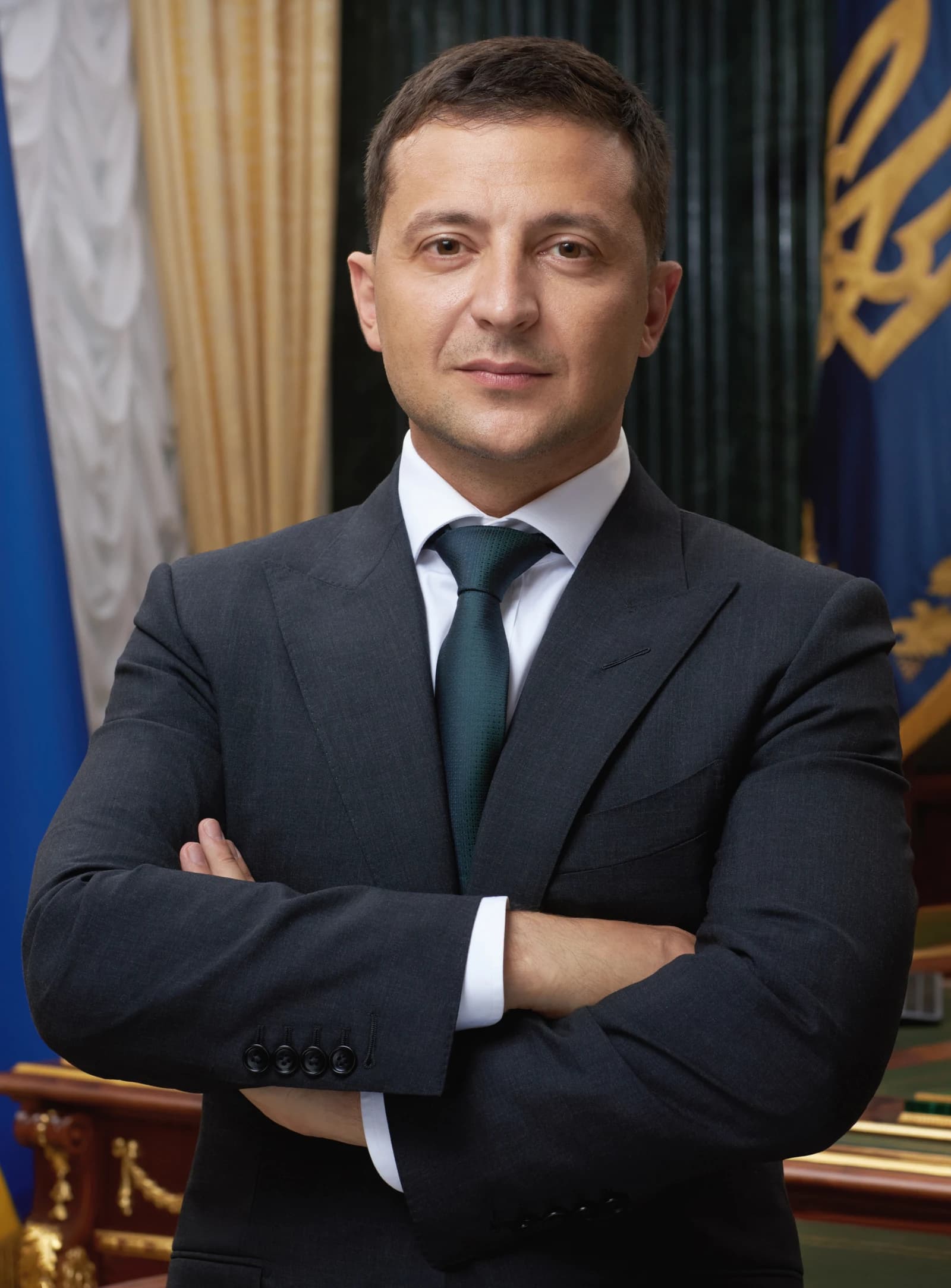
Volodymyr Zelensky said he expects to meet Donald Trump around Sept. 20, setting up a potentially important test of Washington’s next move on Ukraine as Kyiv pushes for more US weapons and air-defense support while the war grinds on.
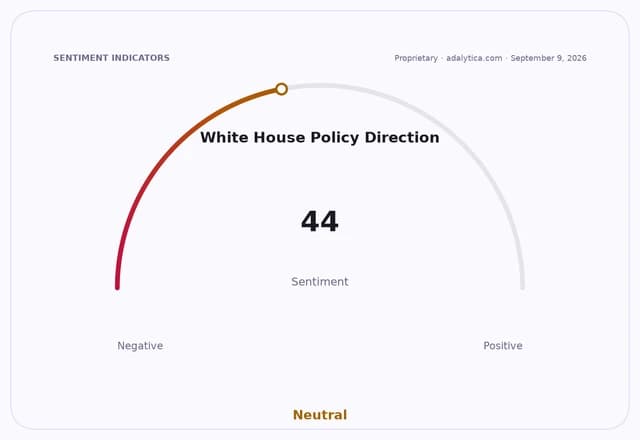
The timing matters because the meeting could shape whether the United States leans further into military assistance or toward a harder push for negotiations. For Ukraine, the stakes are immediate: Zelensky said he wants to discuss ballistic weapons deliveries and support for a domestic missile-defense project, which he said Kyiv is still developing but cannot rely on alone in the near term.
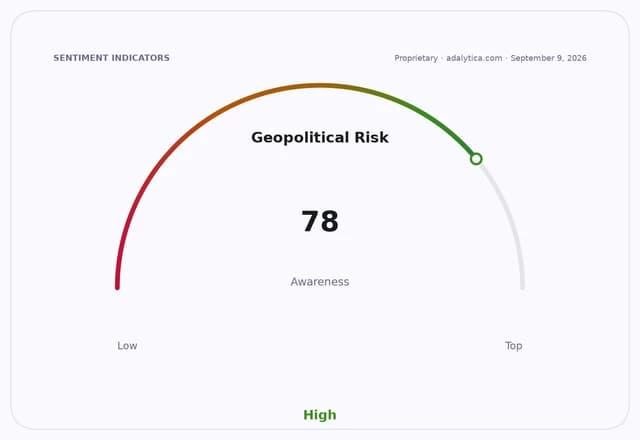
That makes the White House relationship economically and strategically relevant far beyond the battlefield. Continued US backing helps sustain Ukraine’s ability to defend infrastructure, keep grain and energy exports moving, and reduce the risk of further disruption to regional supply chains and European energy markets. A shift in tone or policy from Trump, by contrast, could force Europe to carry more of the burden and raise the cost of the war to allies already under fiscal pressure.
Zelensky said he had agreed with Trump envoys Steve Witkoff and Jared Kushner that they would return to Ukraine, a sign that back-channel diplomacy is still active despite stalled talks. He added that the envoys’ visits matter because they show equal respect for Kyiv and Moscow, a formulation that reflects Ukraine’s effort to keep its case visible to Trump’s orbit without conceding ground on sovereignty.
The Ukrainian leader also said Russia may mobilize another 300,000 people after parliamentary elections and is trying to offset battlefield setbacks with intensified air strikes. That is consistent with a war that remains attritional rather than decisively mobile, keeping pressure on Ukraine’s air defenses and on Western suppliers of interceptors and long-range systems.
Zelensky said Kyiv is willing to seek compromise with Moscow on grain exports and energy, but only if both sides make moves. That language suggests Ukraine is still positioning itself as open to selective deals while resisting any broader settlement that would freeze the current front lines on Moscow’s terms. For investors, the message is that geopolitical risk around energy, shipping and European defense spending is unlikely to fade even if diplomacy becomes more active.
The meeting, if it happens, will be watched less for symbolism than for whether Trump signals continued military aid, a tougher negotiating posture, or a pivot toward conditioning support on concessions. Markets have mostly treated the war as a background risk, but any change in US policy could quickly ripple through currencies, defense shares, European gas prices and risk sentiment more broadly.
| Entity | Gains | Losses |
|---|---|---|
| Ukraine | ▲More US support | ▼Negotiating leverage if aid slips |
| Trump | ▲Diplomatic influence | ▼Risk of policy scrutiny |
| Russia | ▲Gains if US support weakens | ▼Faces more pressure if aid rises |
| European allies | ▲Clarity on burden-sharing | ▼Higher defense and energy costs |