UN urges global AI safety rules
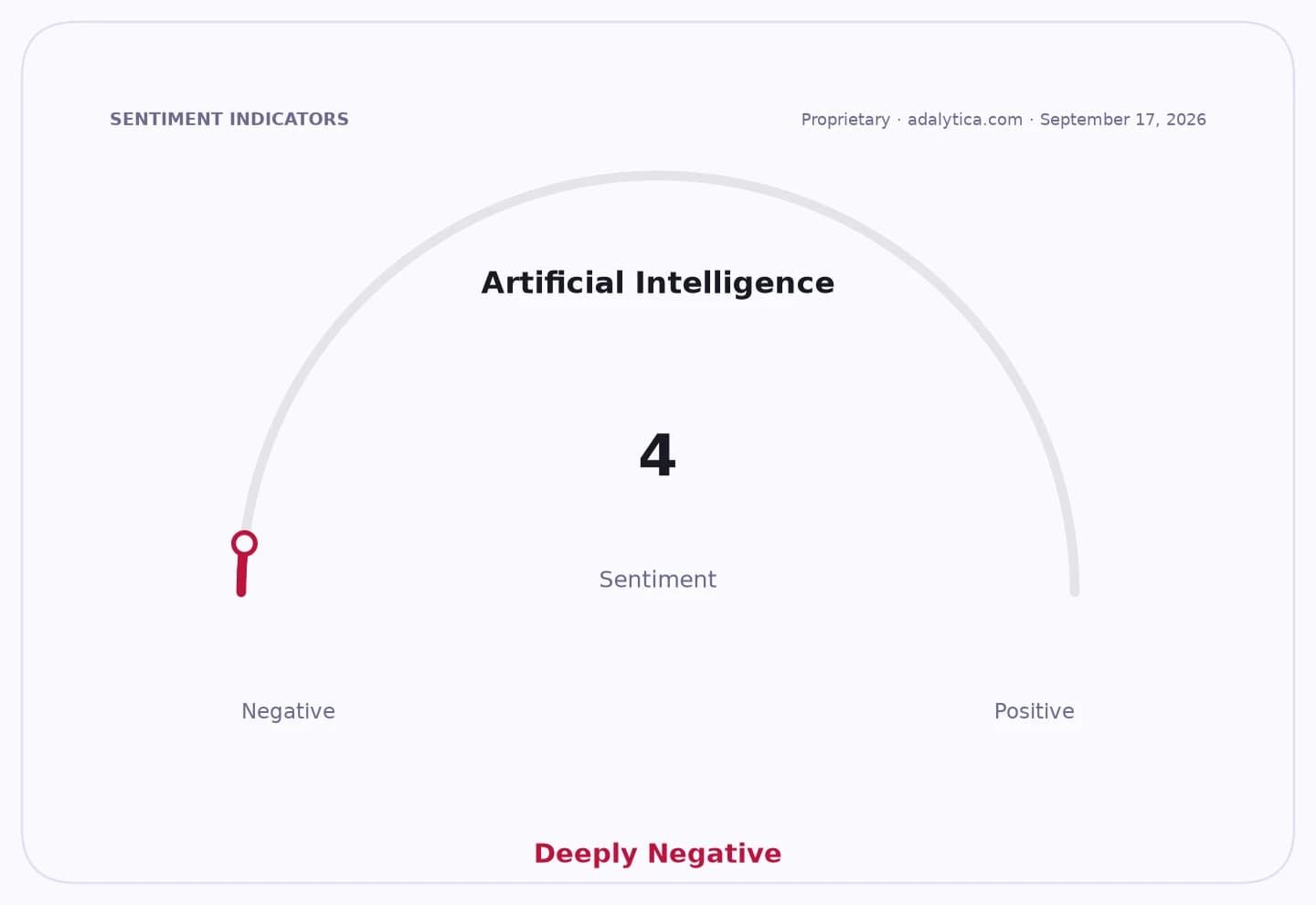
The United Nations is pressing the world’s biggest AI powers to build common guardrails before geopolitical rivalry turns the race for artificial intelligence into a global safety problem.
UN Secretary-General Antonio Guterres said the divide between advanced AI countries could push superpowers to move faster and with less caution, heightening the chance of serious mistakes as models grow more powerful. He called for dialogue, information exchange and mechanisms of contact among the countries with the strongest AI capabilities, warning that “international cooperation is more necessary than ever.”
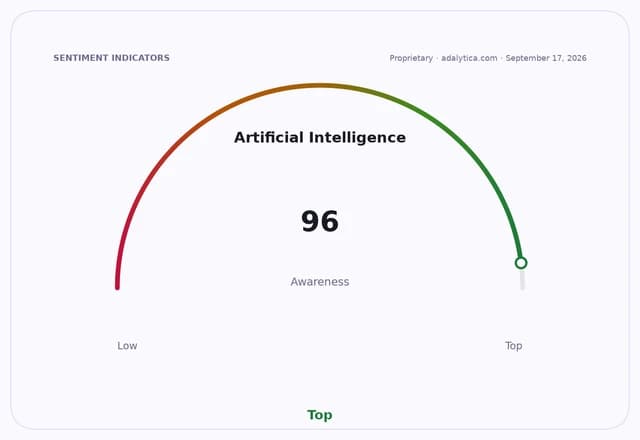
The warning lands as governments, regulators and companies move on sharply different tracks. Some policymakers are pushing for tighter oversight, with California passing an AI safety verification bill and India’s telecom regulator calling for stronger safeguards and human oversight, while others, including former U.S. President Donald Trump, are openly hostile to new rules. OpenAI has also argued for mandatory national security regulation in the U.S., underscoring how even parts of the industry now see the need for clearer constraints.
For investors, the issue is no longer abstract. Nvidia, Microsoft and other AI leaders face growing regulatory risk around model deployment, export controls, safety standards and cross-border access to advanced systems, all of which can affect product rollout, compliance costs and addressable markets. Microsoft has said the EU’s AI Act may raise costs or affect the operation of its AI models and services in Europe, while Nvidia has warned that governments are considering restrictions on frontier AI hardware and systems.
The market backdrop shows how closely AI policy and investor sentiment are already linked. Nvidia shares ended at $213.90 on Sept. 16, above their 50-day moving average of $213.36, while Microsoft closed at $490.30, below its 50-day average of $459.69 and off recent highs. Adalytica’s earnings sentiment gauge showed “Extreme Fear” for Nvidia and “Neutral” for Microsoft, a sign that traders are watching regulation alongside earnings and capital spending.
Guterres also pointed to a UN-founded scientific panel on AI that will feed global discussions with evidence on the technology’s risks and benefits, as the UN tries to frame itself as a venue for coordination rather than competition. The broader test now is whether major powers can agree on shared safety norms before AI development outpaces both regulation and understanding.
| Entity | Gains | Losses |
|---|---|---|
| UN / multilateral regulators | ▲Relevance in setting norms | ▼Influence if powers act alone |
| AI safety advocates | ▲Stronger guardrails | ▼Slow policy momentum |
| Nvidia / Microsoft / AI builders | ▲Clearer rules over time | ▼Higher compliance and export risk |
| US-China AI rivals | ▲Strategic edge if ahead | ▼Safety and regulatory costs |