United Airlines AmEx partnership boosts premium revenue
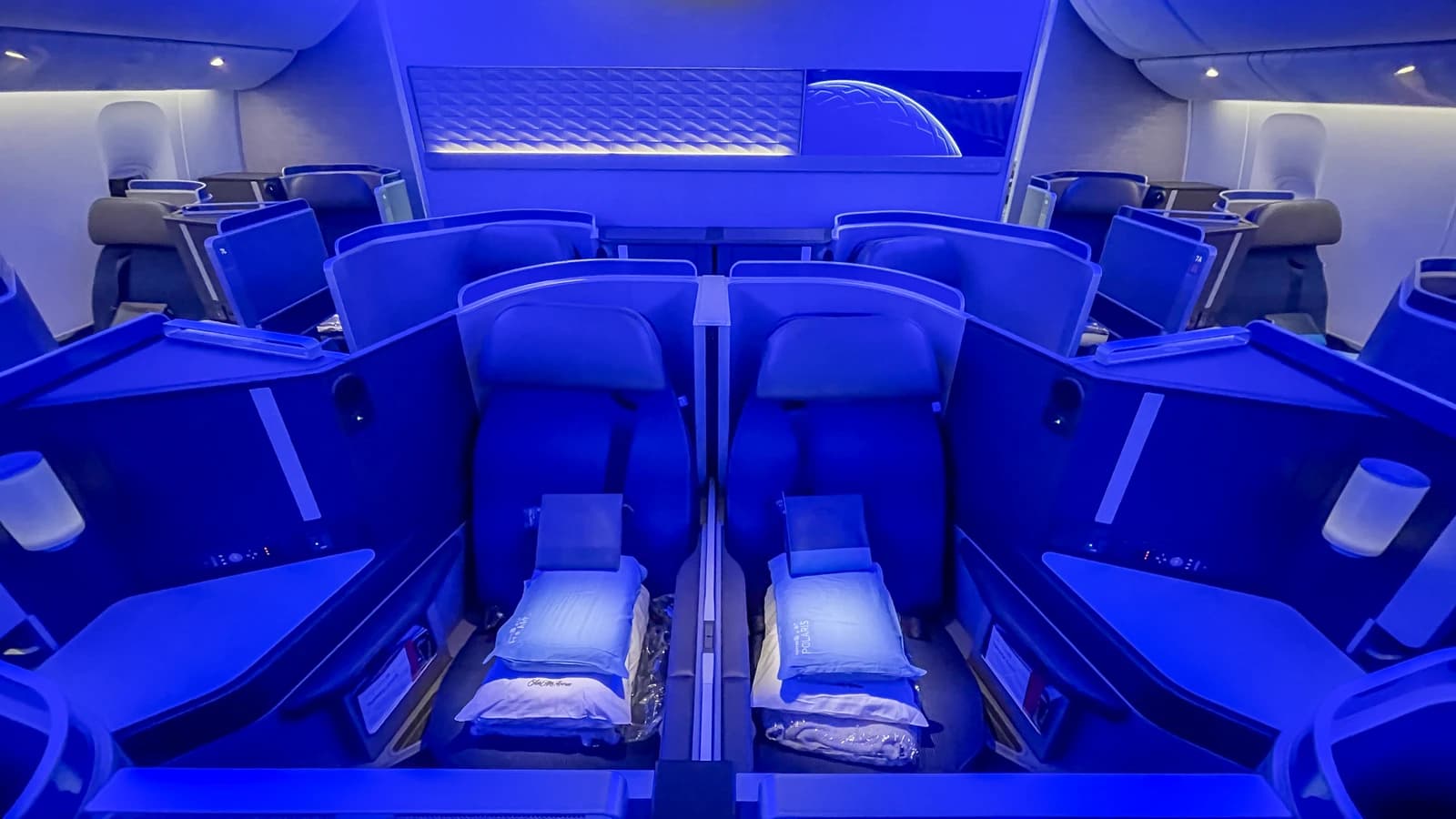
United Airlines is leaning harder into one of the airline business’s most profitable corners: premium customer spending. A closer partnership with American Express gives United another way to monetize loyal travelers beyond ticket sales, and that matters because in airlines, the highest-value customers are often the difference between merely filling seats and building durable, high-margin revenue.
For investors, this is the kind of development that can compound quietly over years. Credit-card and loyalty partnerships have become essential to modern airline economics because they create recurring, less cyclical cash flow tied to consumer spending patterns rather than just fares. That is especially valuable when travel demand is choppy, fuel costs move around, and the industry’s pricing power can fade quickly. If United can capture more premium spend through AmEx, it strengthens a revenue stream that tends to be steadier and more lucrative than flying passengers from one city to another.

The timing also fits a broader travel backdrop that still favors premium experiences. Even as consumer spending sentiment has turned more cautious, premium and affluent travelers have generally proved more resilient than the average household. That helps explain why airlines keep pushing higher-end cabins, co-branded cards and loyalty benefits. It is not just about perks; it is about locking in customers who spend more, travel more often and are less likely to abandon the brand over a small fare difference.
American Express also benefits. Its business is built around affluent cardholders and premium travel spending, so deeper ties with United reinforce the same ecosystem that has helped AmEx keep its brand powerful. The relationship can support card acquisition, transaction growth and customer retention on both sides of the partnership, which is why these airline-card deals often matter far more than they first appear.
United’s shares have already recovered strongly from earlier weakness, and the stock now sits above both its 50-day and 200-day moving averages, with momentum indicators showing a healthier trend than they did during the spring selloff. That does not make the stock cheap, but it does suggest investors are willing to pay for a business mix that leans more on premium demand and loyalty economics than on plain-vanilla airline traffic.
The long-term question for investors is simple: can United keep turning a cyclical airline franchise into a more durable cash-generating machine? The AmEx partnership is one more step in that direction. For buy-and-hold investors, the real appeal is not the headline itself but the compounding effect of premium revenue, stronger loyalty engagement and better economics over time. Worth watching.
| Entity | Gains | Losses |
|---|---|---|
| United Airlines | ▲Higher-margin premium spend | ▼Less reliance on ticket fares |
| American Express | ▲More card usage | ▼Some loyalty competition |
| Premium travelers | ▲Better travel perks | ▼Fewer basic-fare advantages |
| Rival airlines | ▲— | ▼Pressure to match benefits |