UnitedHealth Group’s latest earnings report looks less like a routine beat and more like a confirmation that the company’s earnings engine is reaccelerating, with upgraded guidance, a $5.48 billion quarterly profit and early evidence that artificial intelligence is starting to move the needle on costs and operations.
UnitedHealth Reaccelerates as Margins Improve

That matters because UnitedHealth is not just another defensive health insurer. It is a bellwether for managed care, Medicare Advantage and the broader economics of U.S. healthcare spending. When a company of this scale can beat expectations and raise its outlook at a moment when peers are still wrestling with margin pressure, the message to investors is that the worst of the reset may be behind it — and that the stock’s rebound still may not fully reflect the earnings power ahead.
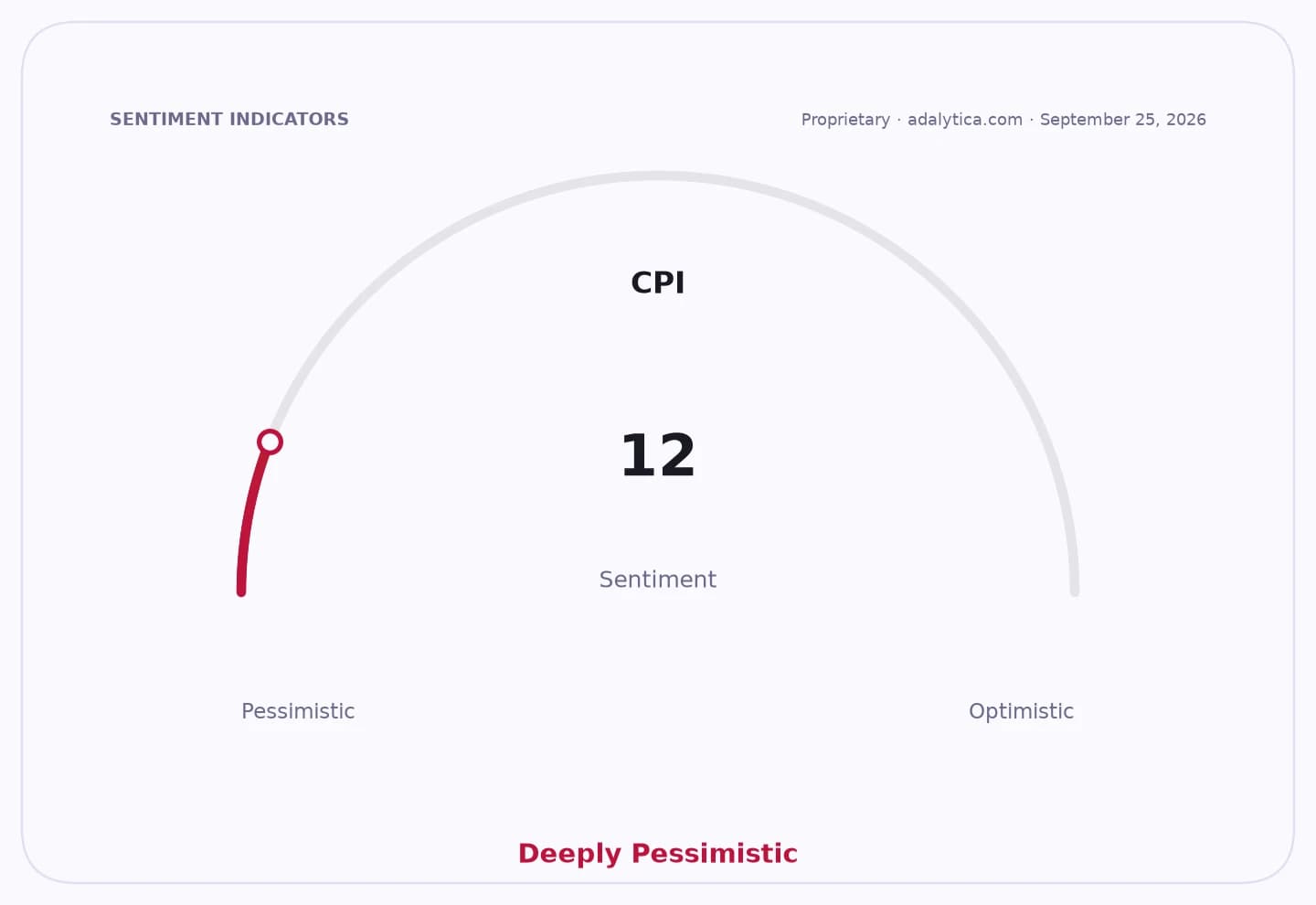
Sentiment IndicatorsⓘProprietary · adalytica.com · July 16, 2026
This is a snapshot — live sentiment, awareness and momentum for 130+ markets update continuously in the dashboard.Open AlphaPulse
The market has already begun to price in that improvement. UnitedHealth’s shares closed at $439.23 on July 16, well above the 50-day moving average of $400.72 and the 200-day moving average of $337.49, with RSI at 61.2 and MACD still positive, suggesting the stock has repaired the technical damage from its earlier selloff. The sharp recovery from the January washout, when the shares briefly sank to the high-200s on heavy volume, shows how quickly sentiment can shift when the fundamental story improves.
The core thesis here is simple: the market underestimates the combination of scale, pricing power and operating leverage embedded in UnitedHealth’s model. Medicare Advantage remains the crown jewel, and a better-than-feared recovery there changes the entire earnings trajectory. Add AI-driven efficiency gains — from claims processing to administrative workflow and care management — and the company can potentially expand margins even in a more complex reimbursement environment.
That is exactly why this report reverberates beyond one stock. UnitedHealth’s upgrade stands in contrast to the pressure seen across parts of managed care, including peers such as Elevance Health, which has pointed to membership mix shifts and ongoing medical cost dynamics in its latest filings. CVS Health, meanwhile, continues to lean on its diversified model and services growth, but it does not offer the same direct exposure to the most profitable end of the insurance value chain. For investors, that makes UNH the cleaner way to own a recovery in healthcare operating fundamentals.
There is also a broader macro angle. Healthcare remains one of the market’s most durable cash-generating sectors, but investors have been reluctant to pay up for it after years of reimbursement scrutiny and rising utilization. UnitedHealth’s report suggests that the sector’s biggest names can still defend margins through scale, analytics and technology, even as the industry absorbs demographic demand and policy complexity. In a market increasingly focused on quality growth and visible cash flows, that is a powerful combination.
I believe the stock still has room to rerate if management proves the Medicare Advantage recovery is sustainable and AI keeps translating into measurable expense savings. The next catalyst is not whether UnitedHealth can post another beat — it is whether the company can show that this quarter was the start of a new earnings upcycle rather than a one-off. If that happens, the market may have to treat UNH less like a wounded giant and more like one of the most attractive compounders in large-cap healthcare.
For investors willing to look past the noise, UnitedHealth remains a high-conviction buy on proof of execution, with the best upside likely coming from continued margin repair, guidance increases and renewed confidence in managed-care economics.
| Entity | Gains | Losses |
|---|---|---|
| UnitedHealth (UNH) shareholders | ▲Higher earnings power | ▼Discounted recovery thesis |
| Medicare Advantage scale players | ▲Pricing leverage | ▼Margin pressure from smaller rivals |
| AI-enabled healthcare operators | ▲Cost efficiency gains | ▼Labor-intensive processes |
| Peers under medical cost strain | ▲Relative comparison risk | ▼Investor patience |