UnitedHealth, Palantir Buys as Zoetis Is Sold

A Toronto money manager is using a classic barbell right now: buy beaten-down or misunderstood growth names with structural tailwinds, and sell businesses where execution is slipping and margin pressure is building.
That is the real message behind Paul Harris’s recent moves at Harris Douglas Asset Management, where he added UnitedHealth Group and Palantir Technologies in August while exiting Zoetis after roughly five years. In a market where investors are still paying up for AI winners and punishing any sign of operational missteps, Harris is leaning into the gap between price and fundamentals — and finding it most attractive in health care and defense software.
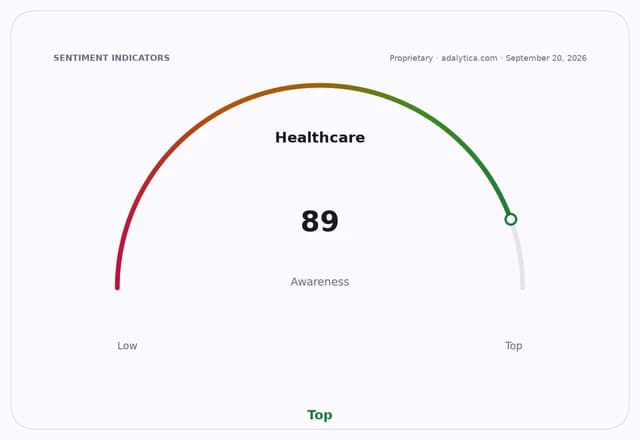
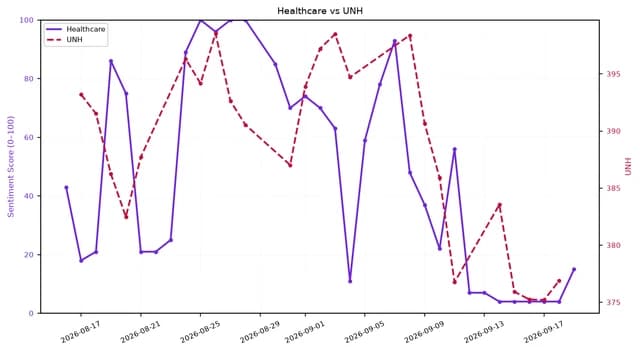
The most interesting buy is UnitedHealth. Harris is arguing that the insurer and health-services giant is undervalued after a bruising stretch that included the 2024 killing of its chief executive and a later reset in management discipline. That matters because UnitedHealth remains one of the biggest toll roads in U.S. health care: it processes enormous volumes of claims, customer interactions and fraud detection data, and that scale should become more valuable as AI moves deeper into back-office operations. It also sits squarely in the path of an aging population that will keep driving utilization of medical services and insurance products.
The stock market is already starting to acknowledge that view. UnitedHealth has rebounded sharply from its lows, and the shares have pushed well above the 200-day moving average even after recent volatility. But the latest pullback has left the stock far from momentum-chasing territory, with the 50-day moving average still above the current price and RSI readings showing the shares have cooled from overbought levels. For long-term investors, that combination is often where the opportunity begins: a franchise with durable cash flow, temporarily shaken confidence and a catalyst-rich operating model.
Palantir is the opposite problem — not a broken business, but a stock that periodically outruns investor comfort. Harris bought it because he sees the bigger prize not just in government contracts, but in the company’s push into commercial accounts where margins and free cash flow can expand faster. That thesis matters economically because Palantir is one of the purest picks-and-shovels names for the AI and data infrastructure buildout: enterprises and agencies want software that can unify data, automate decisions and reduce complexity. If that adoption continues, the company’s mix should improve and the valuation debate will increasingly center on durable earnings power rather than just revenue growth.
The stock action says investors still cannot decide whether Palantir is a breakout platform or a richly priced story. The shares have swung violently over the past year, at one point collapsing to the low $100s before recovering above the 200-day moving average again. The recent price sits well below the highs that triggered extreme momentum readings earlier in the year, which suggests the market is still digesting the scale of the company’s opportunity versus its volatility. For believers, that is exactly when accumulation can make sense: when the business keeps widening its moat while the stock periodically resets.
Harris’s sale of Zoetis is just as revealing. After a strong run during the pandemic pet boom, he says he no longer sees enough evidence that management is responding effectively to competition from generic drugs or communicating the turnaround clearly. That is not just a company-specific complaint; it is a reminder that in a higher-rate, higher-selectivity market, investors are paying less for stable but slow-growing compounders unless execution is airtight. If margins are likely to come under pressure and the pipeline is slower than promised, the market can turn a once-loved defensive name into dead money fast.
Zoetis stock reflects that skepticism. It has been weak, is trading far below its 200-day moving average and has seen sharp downside momentum in recent months, with RSI readings deep in oversold territory. That can create bounce potential, but it does not automatically create value. In a market that rewards visible growth, a business facing generic pressure and management credibility questions can stay cheap for a long time.
| Entity | Gains | Losses |
|---|---|---|
| UnitedHealth | ▲Value buyers; long-term holders | ▼Short-term bears |
| Palantir | ▲AI infrastructure bulls; growth investors | ▼Valuation skeptics |
| Zoetis | ▲Potential dip buyers | ▼Former holders; margin-focused investors |
| Harris Douglas portfolio | ▲Risk-managed compounding | ▼Passive index chasers |